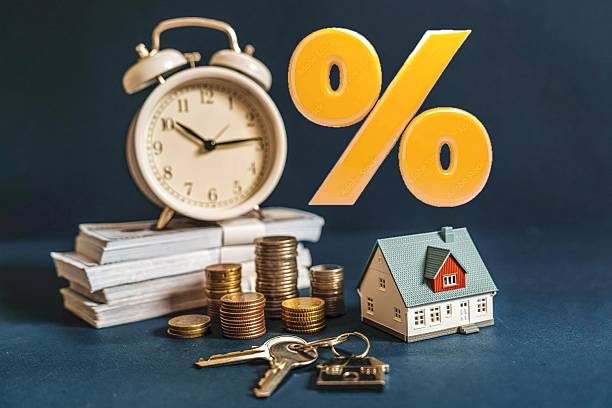
When you get your Loan Estimate from a lender, the first number most people look at is the interest rate. It makes sense, because that’s the number you hear about in ads and news stories. But there is another number on that form that tells you a lot more about what you will actually pay over the life of your loan. That number is the Annual Percentage Rate, or APR. Understanding APR can save you thousands of dollars and help you pick the right mortgage, even if the interest rate looks better on a different offer.
At first glance, the APR can seem confusing because it is usually a little higher than the interest rate. That is by design. The interest rate only covers the cost of borrowing the money itself. The APR adds in most of the fees and charges that come with getting the loan. Things like the lender’s origination fee, discount points, mortgage insurance premiums, and certain closing costs are all rolled into the APR. The result is a single number that shows the true yearly cost of your loan, expressed as a percentage.
Why does that matter? Imagine you get two Loan Estimates. One lender offers a 6.0 percent interest rate but charges three percent in points and a high origination fee. Another lender offers 6.3 percent but has almost no fees. The first loan might look cheaper because the rate is lower, but the APR will be higher because of all those upfront costs. In fact, if you plan to stay in the house for only a few years, the loan with the slightly higher rate and lower fees could actually be the better deal. The APR helps you see that difference clearly.
The APR also forces you to compare apples to apples. Lenders have some freedom in how they structure fees, so one lender might hide costs in a higher origination fee while another spreads them out in a slightly higher rate. Without the APR, you could easily be fooled by a low rate that actually costs you more over time. The federal Truth in Lending Act requires lenders to show the APR on your Loan Estimate, and that is a good thing for homeowners. It puts the full cost front and center so you can make a smart decision.
But there are a few things you need to know about APR so you don’t get misled. First, the APR assumes you keep the loan for the entire term, whether that is thirty years or fifteen years. If you sell your house or refinance after five years, the actual cost per year will be different because the upfront fees get spread over a shorter time. So the APR is most useful when you are comparing loans you plan to keep for the long haul. If you know you will move in five years, you should also look at the total dollar amount of fees and the monthly payment, not just the APR.
Second, the APR can be tricky for adjustable-rate mortgages. The APR on an adjustable-rate loan is calculated using the initial fixed rate and then an estimated index rate for later years. But if interest rates rise dramatically, the actual cost could be much higher. The APR on a fixed-rate mortgage is more straightforward because the rate never changes. For an adjustable loan, you need to study the fine print about how high the rate can go.
Third, remember that the APR on your Loan Estimate is an estimate, not a guarantee. It can change if you lock in a different rate or if the fees shift before closing. But it is still the best tool you have for comparing offers side by side. When you receive Loan Estimates from multiple lenders, look at the APR column first. If one lender’s APR is noticeably higher, ask why. It could be because they are charging more points or have higher origination fees.
Finally, do not ignore the other numbers on the Loan Estimate just because you are focused on APR. The total interest you will pay over the life of the loan, the amount of cash you need to close, and the monthly principal and interest payment all matter. But the APR is a clean, simple number that sums up the overall cost in a way that a raw interest rate cannot.
In short, when you receive your Loan Estimate, take a few extra seconds to read the APR. Compare it across lenders. Think about how long you plan to stay in the home. And remember that a slightly higher interest rate with lower fees can sometimes save you more than a lower rate buried in expensive points. The APR is your honest friend in the mortgage process. Use it wisely, and you will walk into closing with confidence.