If you are thinking about buying a home outside a big city or in a small town, you might have heard about USDA loans. The name comes from the U.S. Department of Agriculture, which backs these loans to help people buy homes in rural and suburban areas. Unlike conventional loans that often require a big down payment or perfect credit, USDA loans are designed to make homeownership more reachable for moderate- and low-income families. They come with three big advantages that many homeowners find attractive: no down payment, lower interest rates, and cheaper mortgage insurance. But there are also rules you need to understand before you apply.
The most appealing feature of a USDA loan is that you can buy a home without putting any money down. That means you do not need to save up thousands of dollars for a 5 percent or 20 percent down payment. For many families, that alone opens the door to owning a home years earlier than they thought possible. Instead of a down payment, you pay a one-time upfront guarantee fee, which is usually rolled into the loan amount so you do not have to pay it out of pocket. There is also an annual fee that gets added to your monthly mortgage payment. But even with those fees, the total monthly cost is often lower than what you would pay for a conventional loan with a small down payment because the interest rates on USDA loans are typically lower than market rates.
Another advantage is the lower mortgage insurance. With a conventional loan, if you put down less than 20 percent, you have to pay private mortgage insurance until you build up enough equity. That insurance can be expensive. USDA loans have their own form of insurance, but it is generally cheaper than private mortgage insurance. And unlike FHA loans, which require mortgage insurance for the life of the loan if you put down less than 10 percent, USDA loan insurance can be removed after you have paid down the loan to a certain point, usually 20 percent equity. That can save you hundreds of dollars each month once you have been paying for a few years.
Of course, not everyone qualifies. USDA loans have two main requirements: location and income. The property you buy must be in an area that the government considers rural or suburban. You can check the USDA eligibility map on their website to see if a specific address qualifies. Many areas that feel like suburbs or even small cities are still eligible, especially in less populated counties. The second requirement is about your household income. Generally, your income cannot be more than 115 percent of the median income for that area. That cap applies to the total income of everyone in your household who is 18 or older, even if they are not on the loan. There are some exceptions for larger families, but the limit is meant to ensure the program helps people who truly need the assistance.
The application process is similar to other government-backed loans, but you must use a lender that is approved by the USDA. Most banks and mortgage companies offer USDA loans, so that is not usually a problem. You will need good credit, typically a score of 640 or higher, though some lenders may work with slightly lower scores. You also need a stable job and a debt-to-income ratio that shows you can afford the monthly payments. The USDA guarantees the loan, meaning if you stop paying, the government will cover part of the loss for the lender. That guarantee is why lenders can offer such good terms.
One thing to watch out for is the condition of the home. USDA loans require the property to be safe, sanitary, and structurally sound. That means no major health hazards, and the home must have a working roof, plumbing, electrical system, and heating. If you find a fixer-upper that needs a lot of work, it might not qualify unless the repairs are minor. But for a well-maintained house in a rural area, a USDA loan is often the best deal around.
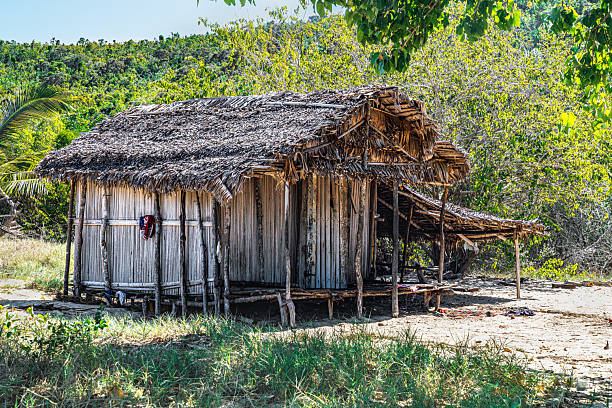
Many people assume USDA loans are only for farms or farmland, but that is not true. The program is for single-family homes, townhouses, and even some condos, as long as they are in an eligible area and meet the income limits. You do not need to be a farmer or work in agriculture. In fact, most USDA loans go to people who commute to nearby cities for work. If you are willing to live a little farther from the hustle and bustle, you can get a home with no down payment and lower monthly costs.
Before you decide, compare USDA loans with FHA and VA loans. FHA loans also allow low down payments, but they require mortgage insurance for life if you put down less than 10 percent. VA loans are excellent for veterans but have a funding fee and require military service. USDA loans are a middle ground for people who do not qualify for a VA loan and want to avoid the high insurance costs of an FHA loan. If you live in or plan to move to a rural area, a USDA loan might be your most affordable path to owning a home.