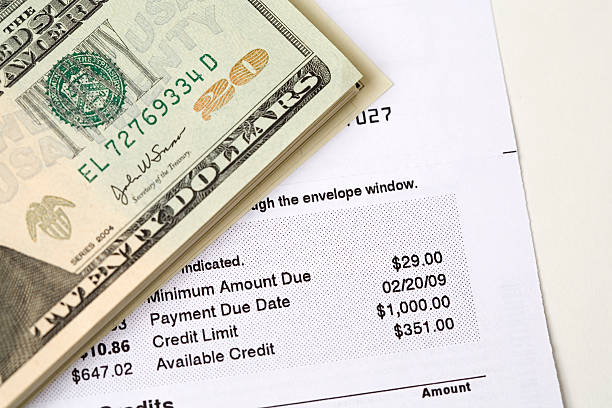
 When you start shopping for a mortgage, the first number that catches your eye is usually the interest rate. A low rate feels like a win. You imagine saving thousands of dollars over the life of the loan. But if you jump at the lowest rate without first looking into the lender’s reputation, you could end up paying more in the long run. A lender that promises rock‑bottom rates but has a history of poor service, hidden fees, or slow closings can turn what looks like a bargain into a nightmare.Reputation matters because a mortgage is not a one‑time transaction. It is a relationship that can last fifteen, twenty, or even thirty years. From the day you apply until the day you make your final payment, you will need to communicate with your lender about payments, escrow accounts, insurance, and maybe even a refinance or hardship situation. If the lender is known for being unresponsive, for making mistakes, or for adding unexpected charges, your daily experience will be frustrating. A slightly higher rate with a trustworthy lender can be far cheaper in terms of stress and real costs.So how do you judge a lender’s reputation? First, look at what other homeowners say. Read online reviews on sites like the Better Business Bureau, Google, and the Consumer Financial Protection Bureau’s complaint database. But do not just glance at the star rating. Pay attention to the details. Look for patterns. If multiple people mention that the lender changed the terms at closing, that is a red flag. If reviewers complain about slow communication or lost paperwork, that matters because those delays can cause you to miss your closing date or lose a house you want.Be careful, though. Some online reviews are fake. A lender with only five‑star reviews and no negative comments might be paying for good ratings or asking only happy customers to post. A few negative reviews are normal and even a sign of honesty. What you want to see is how the lender responds to complaints. A good lender will reply publicly, apologize when necessary, and explain how they fixed the problem. A lender that ignores complaints or gets defensive is not someone you want handling your biggest purchase.Another way to check reputation is to ask people you trust. Talk to your real estate agent. Agents work with lenders every day and know which ones close on time and which ones drop the ball. Ask friends or family who recently bought a home. They can tell you about their experience from start to finish. Also, consider talking to a local mortgage broker. Brokers work with many lenders and can give you an honest opinion about which companies actually deliver on their promises.Pay attention to the lender’s history with regulators. You can look up whether a lender has been fined or sued for unfair practices. The Consumer Financial Protection Bureau keeps a public list of enforcement actions. If a lender has a long record of penalties for misleading borrowers, that is a sign to stay away. Even if the rate is low, the risk is not worth it.Finally, trust your own experience when you first contact the lender. Do they answer the phone promptly? Do they explain things clearly without using confusing jargon? Do they ask about your situation and listen to your needs? A lender that rushes you or pressures you to lock in a rate before you are ready is often more interested in making a sale than in helping you. A good lender will want you to understand every step.Remember, the lowest rate is not always the best deal. A lender with a solid reputation will offer fair rates, transparent fees, and reliable service. They will not spring surprises at the last minute. They will be reachable when you have questions. Over the life of your mortgage, that reliability is worth a lot more than a fraction of a percentage point.So before you sign anything, take the time to check reviews, ask around, and listen to your gut. A lender’s reputation is one of the most valuable tools you have to protect yourself. Choosing a lender based on trust rather than just the lowest number will save you headaches and money for years to come.
Closing costs are the fees and expenses you pay to finalize your mortgage, typically ranging from 2% to 5% of the home’s purchase price. These are separate from your down payment.
Your new rate is determined by a simple formula: Index + Margin. The Index is a benchmark interest rate that reflects the broader market (like the SOFR or Treasury Index). The Margin is a fixed percentage amount set by your lender and added to the index. This sum becomes your new interest rate.
Most loan officers are compensated through a commission-based structure, which is a combination of a base salary (though not always) and variable pay based on the volume and/or profitability of the loans they close.
Yes. If significant, unresolved issues are discovered—such as a major lien, an unresolved estate dispute, or a forgery in the chain of title—the title may be considered “unmarketable.“ This can delay or even cancel the sale until the problems are resolved by the seller. Your real estate agent and title professional will guide you through the options.
Your credit will be pulled again, which will cause a small, temporary dip in your score. However, credit scoring models typically treat multiple mortgage inquiries within a 14-45 day window as a single inquiry for rate-shopping purposes, minimizing the overall impact.