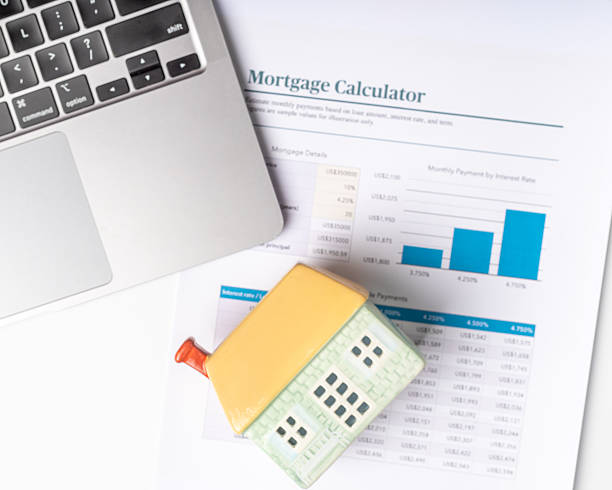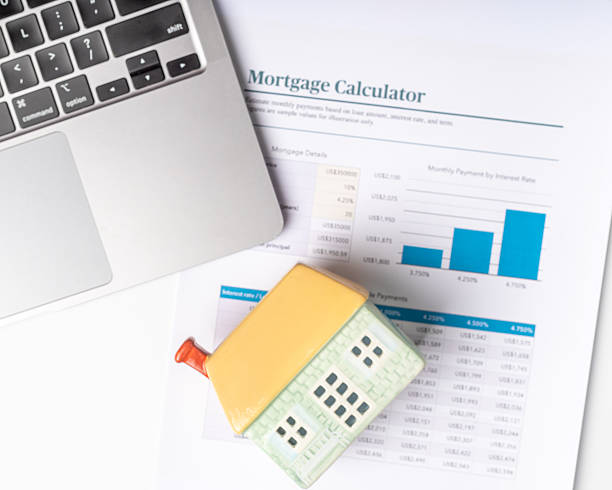
Paying your mortgage every two weeks sounds like a small change. Instead of sending one full payment each month, you send half the payment every two weeks. Most months have two paydays, but two months each year have an extra payday. That means you make 26 half payments, which equals 13 full payments instead of 12. The extra payment goes toward your loan balance, and that can shorten your mortgage and reduce total interest. The idea is simple, but the details matter.
The real savings come from paying down the loan faster. Mortgage interest is charged on the remaining balance. When you reduce that balance sooner, less interest builds up. On a 30-year loan, one extra payment a year can make a noticeable dent. For example, on a $250,000 mortgage at 6 percent interest, adding one extra monthly payment each year could help you pay off the loan about five years sooner and save roughly $60,000 in interest. Your exact numbers depend on your loan amount, rate, and how your lender applies the money. Still, the pattern is clear: a little extra toward principal can save a lot over time.
Here is where biweekly programs get tricky. Some lenders offer a biweekly payment option and apply half payments correctly. That can work well, especially if there is no fee. Other companies are third-party payment services. They collect half payments from your bank account and either forward them to your lender or hold them until a full payment is ready. Some charge setup fees, monthly fees, or per-transaction fees. That can eat into your savings. Worse, some services may send payments late or fail to apply extra money to principal. If that happens, you could face late fees or credit damage while paying for the privilege.
Before you sign up, call your lender. Ask whether the loan has a prepayment penalty. Most modern mortgages do not, but know for sure. Ask how extra payments are applied. You want every extra dollar to go to principal, not to next month’s payment or future interest. Ask whether the servicer accepts half payments. Some hold partial payments until they receive enough to cover a full monthly payment. If they hold your half payments, you may not get the savings you expect. The rules vary, so get a clear answer.
You can often get the same result without a program. Make your normal monthly payment and add one-twelfth of that payment as an extra principal payment. That adds up to one full extra payment by the end of the year. Another method is to set aside half your mortgage payment every two weeks in a separate savings account. When the monthly payment is due, pay it as usual. When you have collected enough for an extra full payment, send it with clear instructions to apply it to principal. You can also use a tax refund, bonus, or overtime money to make one extra payment each year. These options cost nothing and keep you in control.
If your lender offers a free biweekly program that applies payments correctly, it can be a convenient set-it-and-forget-it tool. But never pay a company for something you can do yourself. Keep checking your mortgage statement. Make sure your regular payment is on time and the extra amount is reducing your principal balance. If the balance is not dropping as expected, call your servicer and ask why. A biweekly plan should not replace your emergency fund. Sending extra money to the mortgage is unwise if it leaves you unable to handle a broken furnace, a car repair, or a medical bill. Build a small cushion first, then attack the mortgage.
The bottom line is that biweekly payments can be a solid way to save interest and pay off your home sooner. The math works because you make one extra payment each year. But the savings belong to you only if the payments are applied correctly and the fees do not swallow the benefit. Ask questions, read your statements, and consider doing it yourself. A lower balance and a shorter loan are worth the effort, especially when you keep the process simple and free.