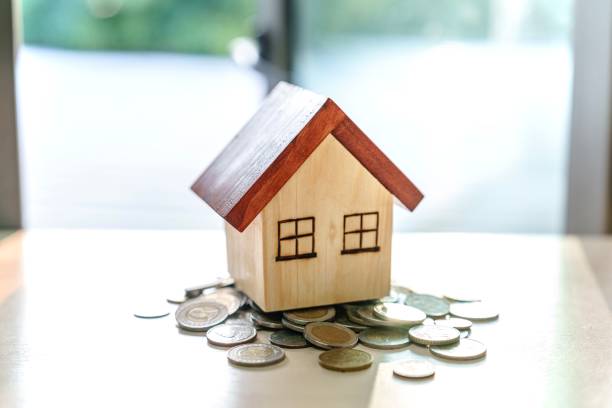
If you own a home, you’ve probably heard the word equity. Equity is the part of your home you actually own. If your house is worth $300,000 and you still owe $200,000, you have $100,000 in equity. When you need cash for a big expense, you might want to use that equity. The two most common ways are a cash-out refinance and a second mortgage. They sound similar, but they work differently. Let’s compare them so you can make a smart choice.
A cash-out refinance replaces your current mortgage with a larger loan. Say you owe $200,000. You refinance and take out a new loan for $250,000. You pay off the old mortgage, keep the $50,000 difference as cash, and make one monthly payment on the new loan. That new loan pays off your old debt plus the extra cash, usually over a fresh 15-year or 30-year term.
A second mortgage is exactly what it sounds like. You keep your first mortgage, then take out another loan with your house backing it. A home equity loan gives you a lump sum and fixed monthly payments. A home equity line of credit, or HELOC, is also a second mortgage, but it works more like a credit card. You get a limit and only pay interest on what you use.
Which should you choose? It depends on your interest rate, your costs, and how long you plan to stay in the house.
The biggest advantage of a cash-out refinance is one single mortgage payment. You don’t have to track two loans. If rates have dropped since you bought your home, you can also lower your rate on the whole balance. That can save a lot over time. But there’s a catch. A cash-out refinance has closing costs, just like buying a home. Those fees can run into the thousands. You also reset your loan clock. If you were 10 years into a 30-year mortgage, refinancing into a new 30-year loan means you’ll be paying for 30 more years, not 20. That could mean more interest over the long haul.
A second mortgage or HELOC is often cheaper to set up. Closing costs are usually lower, and sometimes you can find no-closing-cost options. You also keep your first mortgage’s rate and payoff schedule. That matters if you locked in a low rate years ago. But a second mortgage usually has a higher interest rate than a first mortgage. That’s because the second lender only gets paid after the first lender if you can’t pay. More risk for the lender means a higher rate for you.
Think about selling before the loans are paid off. With a cash-out refinance, you sell the house, pay off the one mortgage, and move on. With a second mortgage, you have to pay off both loans at closing. That can shrink your profit, and it might leave you owing money if home prices drop. If you choose a HELOC, the payment can change because the rate is usually adjustable. Your monthly payment can go up when interest rates rise.
So how do you decide? There’s no single right answer for everyone. If you can get a lower rate on your first mortgage and you need a large amount of cash, a cash-out refinance might be better. It also makes sense if you want one simple payment. But if you already have a low rate on your first mortgage and only need a modest amount of cash, a second mortgage or HELOC may cost less in fees and keep your first mortgage safe.
Before you sign anything, ask the lender for a clear breakdown of all costs. Ask what your monthly payment would be, including taxes and insurance. Ask what happens if the payment adjusts, and ask what the loan would cost over five years and over its full life. If a lender can’t give straight answers, walk away.
The bottom line is simple: You earn equity by paying your mortgage and by your home rising in value. Don’t hand that equity to a lender without knowing exactly what you’re getting into. Compare both paths and choose the one that keeps your budget and future secure.