If you’re juggling credit card bills, car loans, or other payments, you might be thinking about using a second mortgage to lump it all into one monthly payment. That’s called debt consolidation with a second mortgage, and it can be a solid move for some homeowners. But it’s definitely not for everyone. Let’s break it down in plain English.
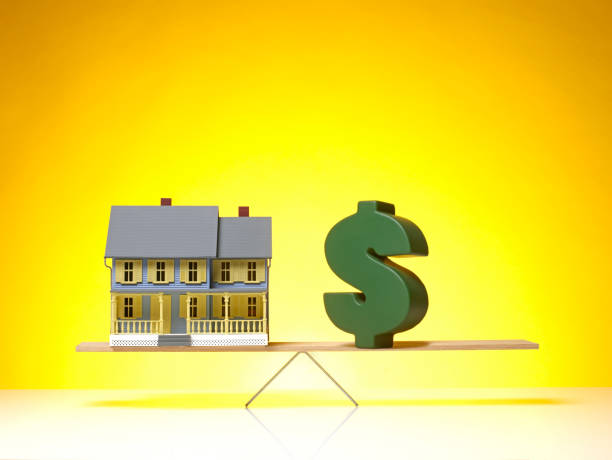
What is a second mortgage? Simply put, it’s a loan that uses your home’s equity as collateral. Equity is what your home is worth minus what you owe on your first mortgage. For example, a $300,000 home with $200,000 owed leaves $100,000 in equity. A second mortgage lets you borrow against that equity. There’s also a HELOC, or home equity line of credit, which works like a credit card with a limit. Both count as second mortgages and can be used for debt consolidation.
The big appeal is the interest rate. Credit cards often carry double-digit interest rates, sometimes 20% or more. A second mortgage, because it’s secured by your home, typically has a much lower rate. By paying off those high-interest cards with a second mortgage, you stop paying that crazy interest and instead pay a lower rate on the money you borrowed. That can save you a lot of money each month. Plus, you go from having several payments due at different times to just one extra payment for the second mortgage.
But here’s the catch. A second mortgage is backed by your home. If you fail to make payments, you could lose your house to foreclosure. That’s a very serious risk. Be honest with yourself. Are you consolidating because you’ve been overspending? If so, a second mortgage might free up credit card space, and you could end up deeper in debt. The best time to consolidate debt is when you have a steady job, a realistic budget, and a plan to avoid new charges.
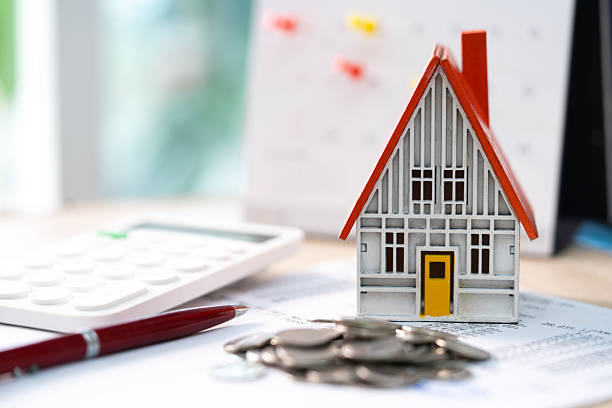
Also consider the costs. A second mortgage isn’t free. You’ll likely pay closing costs, such as appraisal fees, title insurance, and origination charges. These can add up to thousands. Lenders sometimes offer no-closing-cost options, but that usually means a higher rate, so you pay over time. Think about the loan term. A longer term means lower monthly payments, but you pay more interest over the life of the loan. For example, rolling a car loan with ten years left into a 20-year second mortgage means paying interest on that car twice as long, even at a lower rate.
A second mortgage might feel like a simple fix, but it’s not the only option. You could get a personal loan with a fixed rate, or a balance transfer credit card with a 0% introductory period. Those don’t put your home at risk. But they often have higher rates or shorter terms, so it depends on how much you owe and how fast you can pay it down. For many people with significant credit card debt, a second mortgage is the most cost-effective route because of the low rates.
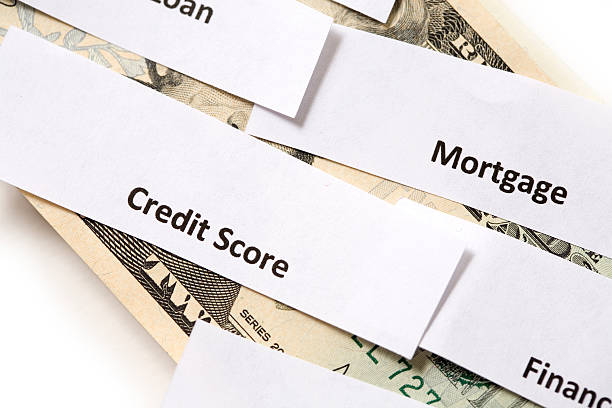
What should a homeowner do? Start by checking your credit score and your home’s equity. Then gather your debt statements and see what you’re paying in interest each month. Talk to a few lenders about rates and fees for second mortgages. Ask for a clear breakdown of what you’d owe each month and over the whole term. And have a plan to pay it off. You might set up automatic payments or make extra payments when you can. The goal is to get out of debt, not to trade one problem for another.
In short, debt consolidation with a second mortgage can be a powerful tool if used carefully. It can lower your interest costs, simplify your bill payments, and help you become debt-free faster. But it’s not without risks. You’re betting your house on your ability to make the payments. Make sure you’re ready for that commitment. If you are, this could be the fresh start you need. If not, maybe wait until your finances are more stable. The bottom line is to educate yourself, run the numbers, and always keep your home’s security front and center.