
A conventional 3% down mortgage is one of the simplest ways for a first-time buyer to get into a home without draining every dollar in savings. It is not a government loan like FHA. It is a regular mortgage that follows common lending rules and is backed by private companies that buy loans from lenders. For many buyers, that means more flexibility than an FHA loan, often lower mortgage insurance costs once a borrower has good credit, and a clearer path to getting rid of mortgage insurance later. The catch is that the lender still checks your income, credit, debts, and savings. A 3% down payment does not mean no scrutiny. It means you need less cash up front.
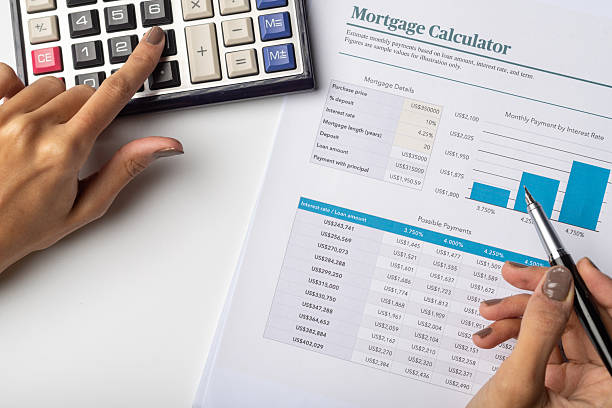
The basic math is easy. On a $250,000 home, a 3% down payment is $7,500. On a $350,000 home, it is $10,500 down and a $339,500 loan. That is a much smaller cash requirement than the old 20% rule. But you still need money for closing costs, moving, repairs, and a cushion for the first few months. Do not let a low down payment convince you to spend every last dollar. A good lender will approve you for a maximum amount, not a comfortable amount. Your job is to buy the house that fits your real life, not the one that barely fits a calculator.
Conventional 3% down programs are aimed at first-time buyers, but the rules can vary by lender and by the specific program. Some programs have income limits. Others do not. Some allow the 3% to come from savings, gifts from family, grants, or down payment assistance. Others require a minimum borrower contribution. Ask your lender to put the down payment rules in writing before you fall in love with a house. Also ask whether the program requires homebuyer education. Many first-time buyer programs do, and it is usually a short online or classroom course. It is not a punishment. It is a way to make sure you understand the loan you are signing.
Private mortgage insurance, usually called PMI, is a normal part of putting down less than 20%. PMI protects the lender if you stop paying, not you. With a conventional loan, PMI costs less than FHA mortgage insurance. It can often be removed once you have enough equity. Federal rules generally require lenders to cancel PMI automatically when your loan balance reaches 78% of the home’s original value, and you can often request cancellation at 80%. That is a real advantage of conventional 3% down over some other low-down-payment loans. Keep in mind that home values change, and cancellation depends on your lender, your payment history, and the type of loan. Get the details in writing.
Your credit score matters. A 3% down conventional loan usually needs a score around 620 or higher, though some programs and lenders may set their own higher bar. A higher score can mean a lower interest rate and cheaper PMI. If your score is close to the minimum, spend a few months paying down credit card balances, fixing errors on your credit report, and avoiding new debt. That work can save you thousands over the life of the loan. A lower rate is worth more than a fancy kitchen.
Down payment assistance can work alongside a conventional 3% down loan. Many states, cities, and nonprofits offer grants or second loans to help first-time buyers cover the down payment or closing costs. Some assistance is forgiven over time if you stay in the home. Some is a silent second mortgage that must be repaid when you sell or refinance. Read the fine print. Free money is rare, but low-cost help is not. Ask your lender which programs they work with. A good loan officer will explain the trade-offs without pressure.
Do not confuse pre-qualification with a full approval. Pre-qualification is a quick estimate. A full approval means the lender has checked your documents. Get fully approved before you shop seriously. Then shop within a budget that leaves room for taxes, insurance, maintenance, and life. A 3% down conventional loan can be a smart first step. It gets you into a home sooner, keeps your cash reserve intact, and gives you a clear payoff plan. Just go in with your eyes open, get everything in writing, and buy a payment you can sleep with at night.