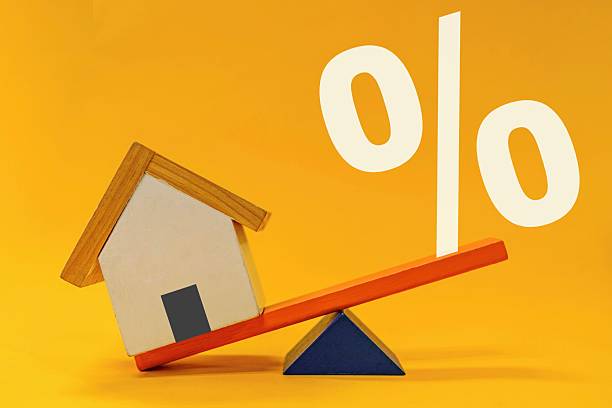
A fixed-rate mortgage is simple in the way most homeowners want: your principal and interest payment stays the same for the life of the loan. The rate is locked in when you close, so a jump in mortgage rates next year or ten years from now does not change that part of your payment. That predictability is the main selling point. You are buying certainty, and certainty usually costs a little more at the start. The real question is whether that extra cost is worth it for your budget and your plans.
The biggest pro is that you can plan. If your payment is $1,850 for principal and interest today, it will still be $1,850 in year fifteen, assuming you do not refinance or pay extra. Your property taxes and homeowners insurance can change, and if you have an escrow account, those changes can move your total monthly payment. But the mortgage itself is not going to surprise you because the lender suddenly wants more. For a lot of families, that steady number makes it easier to save, pay down other debt, and handle the normal curveballs of life.
Fixed rates also protect you when rates rise. Nobody knows where rates will go. If you choose a fixed loan and rates climb, you keep your lower rate while new borrowers pay more. That can feel like a quiet win every month. It also makes fixed loans easier to compare. You are not trying to guess what a future adjustment will do to your payment. You can look at the rate, the closing costs, and the monthly payment and make a decision without a crystal ball.
The main con is the starting rate. A fixed-rate mortgage often starts higher than a loan with a rate that can change, especially if you are comparing a thirty-year fixed loan with a short-term adjustable loan. That higher rate can mean a larger monthly payment from day one. If money is tight and you are sure you will sell or refinance within a few years, an adjustable loan might save you money during that short window. But “sure” is doing a lot of work in that sentence. Jobs change, markets change, and homes can be harder to sell than expected. A lower payment now is not a bargain if you get stuck with a payment later that you cannot handle.
Another con is that a fixed rate does not automatically reward you when rates fall. If rates drop enough, you may be able to refinance, but refinancing is not free. You will usually pay closing costs, and you will need to qualify again. Sometimes the savings are worth it, sometimes they are not. A fixed loan also gives you less flexibility if you want to move soon, because the upfront costs of getting the loan need time to pay off. If you plan to stay in the home for many years, that cost is easier to absorb. If you might move in two or three years, a fixed loan can still be the right call, but you should go in with your eyes open.
A fixed rate is also not a promise that your total housing cost is frozen. Taxes and insurance are real costs, and they can rise even when your mortgage payment does not. Some homeowners get surprised when their monthly payment goes up because their escrow account is short. That is not the fixed rate failing. It is the other costs of owning a home changing. Keep a little room in your budget for that, and check your escrow statement when it arrives instead of tossing it in a drawer.
Shopping matters with any loan. A fixed-rate mortgage from one lender can cost more than the same basic loan from another. Compare the rate, the closing costs, and the monthly payment. Ask for a loan estimate and read it closely. Do not let a low rate fool you if the fees are high. Do not let a smooth sales pitch rush you. A fixed loan is a long-term commitment, and a small difference in rate can add up over thirty years. Get more than one quote and ask questions until the numbers make sense.
For most homeowners who plan to stay put, a fixed-rate mortgage is the safer default. It is not the cheapest choice every single time, and it is not magic. It is a trade: you pay a little more for the ability to sleep at night and keep your housing cost predictable. If you have a steady income, a long-term plan, and no interest in gambling on future rates, that trade often makes sense. If you need the lowest possible payment for a short stay, look closely at the trade-offs before you sign. The right answer depends less on what rates might do and more on how long you plan to keep the loan and how much certainty your budget needs.