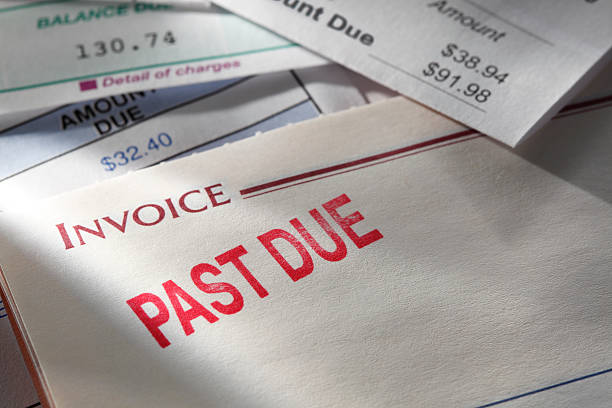
 Transitioning from renting to homeownership is a monumental step filled with excitement and new responsibilities. While new homeowners eagerly anticipate mortgage payments and property taxes, a significant financial shift often lurks in the details: the full spectrum of utility costs. As a renter, your monthly obligations were likely streamlined, with many essential services either included in your rent or managed by your landlord. Owning a home, however, unveils a wider array of utility expenses that can surprise the unprepared budget.One of the most substantial costs you may have never directly paid for is water and sewer services. In many rental agreements, especially in multi-unit buildings, the landlord covers these fees as part of the overall property management. As a homeowner, you are now directly billed for every gallon used, plus sewer charges that are often calculated based on your water consumption. This includes the water for showers, laundry, and gardening, but also the cost of treating the wastewater that leaves your home. Furthermore, if you are moving into a house with an irrigation system for the lawn or a swimming pool, your water bill can increase dramatically during summer months, a seasonal spike you likely never experienced as a renter.Similarly, garbage and recycling collection is a utility often taken for granted by renters. In apartment complexes, dumpsters and recycling bins are provided as a communal service, with the cost folded into your rent or the building’s operating expenses. As a homeowner, you must contract with a waste management company or pay municipal fees for curbside pickup of trash, recycling, and sometimes yard waste. You may also face occasional costs for bulk item disposal or special pickups, expenses that were previously your landlord’s concern.The realm of heating and cooling can also expand in scope and cost. While you may have paid for gas or electricity to run your apartment’s furnace, you are now responsible for the entire system’s maintenance, repair, and eventual replacement. More critically, you might encounter new fuel sources. If your new home uses heating oil or propane, you are dealing with a system that requires scheduled deliveries and large, upfront payments to fill a tank, a financial planning challenge unlike the predictable monthly gas bill from your rental. The efficiency of a larger, standalone home also differs greatly from an insulated apartment unit, often leading to higher baseline energy consumption for temperature control.Other utility responsibilities extend beyond monthly bills to encompass infrastructure and long-term maintenance. You are now solely accountable for the water heater, a device that hummed quietly in a closet of your rental with its lifespan and efficiency being the landlord’s worry. When it fails, the replacement cost is yours. The same is true for major appliances if they were included in your home purchase; repairing a refrigerator, dishwasher, or washing machine is now a direct hit to your savings. Exterior maintenance also carries utility implications. Keeping gutters clean to ensure proper water drainage, maintaining sewer line cleanouts to prevent backups, and servicing a septic system if your home has one are all costly responsibilities that prevent much larger problems.In essence, homeownership replaces a predictable, often capped monthly housing cost with a broader and more variable set of financial obligations. The renter’s experience shelters one from the direct brunt of infrastructure costs, seasonal usage spikes, and municipal service fees. For the new homeowner, a comprehensive budget must therefore look beyond the mortgage to include these previously hidden utilities. Proactively researching average local costs for water, sewer, waste, and alternative heating fuels, while also establishing an emergency fund for system repairs, is crucial. This financial foresight transforms potential surprises into managed expenses, allowing you to fully enjoy the rewards of your new home without the stress of unforeseen utility burdens.
A Jumbo loan is the most common type of non-conforming loan. It is used to finance properties that exceed the conforming loan limits. Key differences include: Higher Loan Amounts: Designed for luxury homes and properties in extremely high-cost markets. Stricter Qualification: Often requires higher credit scores (e.g., 700+), larger down payments (typically 10-20% or more), and more cash reserves. Potentially Higher Rates: While sometimes competitive, jumbo loans can carry slightly higher interest rates due to the increased risk for the lender.
For complex or sensitive matters, we highly recommend scheduling a phone call or a virtual meeting with your Loan Officer. This allows for a real-time, confidential conversation where we can give your situation the detailed attention and nuance it deserves, without the limitations of email.
An appraiser will assess the property’s overall condition, size (square footage), number of bedrooms and bathrooms, layout, and any upgrades or renovations. They also note any health or safety issues, as well as the quality of construction. They will photograph the interior and exterior and sketch the floor plan.
Closing costs are the fees and expenses you pay to finalize your mortgage, typically ranging from 2% to 5% of the home’s purchase price. These are separate from your down payment.
Your new rate is determined by a simple formula: Index + Margin. The Index is a benchmark interest rate that reflects the broader market (like the SOFR or Treasury Index). The Margin is a fixed percentage amount set by your lender and added to the index. This sum becomes your new interest rate.