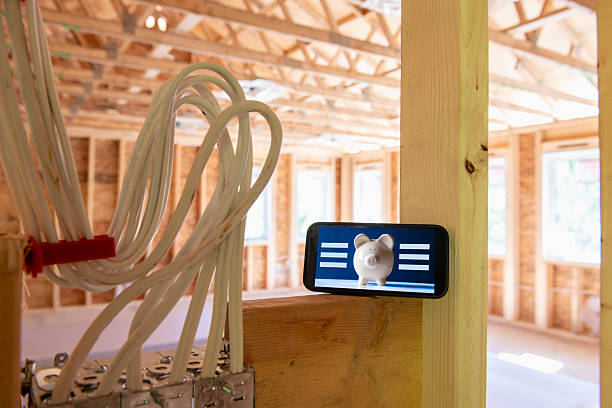
You’ve been paying down your mortgage for years, and now you’ve got some real equity in your house. Maybe you want to put in a new kitchen, pay off a credit card, or cover a big medical bill. You’ve heard two terms thrown around: home equity loan and HELOC. They sound alike, but they work in very different ways. Knowing the difference can save you from a headache and maybe even save you thousands of dollars. Let’s cut through the jargon and talk straight.
A home equity loan is sometimes called a second mortgage. You borrow a set amount of money all at once. The lender hands you a big check, and you pay it back over a fixed number of years, usually five to fifteen. The interest rate is locked in from day one, so your monthly payment never changes. That gives you predictable payments, which is a huge relief if you like knowing exactly what’s coming out of your bank account. You use this kind of loan when you have a specific cost in front of you, like a new roof or a major renovation. You take the lump sum, get the work done, and then chip away at the debt like you would with any regular mortgage.
A HELOC, which stands for home equity line of credit, is a different animal. It works more like a credit card than a traditional loan. The lender approves you for a maximum amount, say fifty thousand dollars, but you don’t have to borrow all of it at once. You can draw out what you need, when you need it, during what’s called the draw period. That usually lasts five to ten years. During that time, you might only pay interest on what you’ve actually used. After the draw period ends, you enter the repayment phase, where you pay back the full balance over a set number of years. The catch is that HELOCs usually have variable interest rates. That means your payment can go up or down as the market moves. In a low-rate environment, that’s great. If rates climb, your monthly bill could climb right along with them.
So which one fits your life? It comes down to how you plan to use the money. If you need a fixed amount for a one-time project, a home equity loan gives you stability. You know your payment, you know when the loan will be paid off, and you don’t have to worry about surprise rate hikes. On the other hand, if you’re facing ongoing expenses, like college tuition paid in installments or a series of home improvements over several years, a HELOC might be more flexible. You only borrow what you need at the moment, which means you don’t pay interest on money you haven’t touched. That flexibility can be very attractive.
But here’s the no-nonsense part. Both of these options use your house as collateral. That means if you fall behind on payments, the lender can foreclose on your home. This isn’t like a credit card where the worst case is a hit to your credit score. You’re putting your roof over your head on the line. Some people treat a HELOC like free money because it feels easy to tap into. That’s a dangerous way to think. Every dollar you borrow still has to be paid back, with interest. And because the interest rates on these products are often higher than your first mortgage, you need to be very clear about how you’ll handle the payments.
Another common trap is using a home equity loan or HELOC to pay off unsecured debt like credit cards. You might consolidate everything into one lower monthly payment, which sounds smart. But you’ve just turned a debt that had no home attached to it into a debt that can cost you your house. If you don’t change your spending habits, you could end up with the same old credit card balances plus a new second mortgage. That’s how people get into real trouble.
The best approach is to treat these products with respect. Sit down with your numbers. Look at your monthly budget, your future plans, and your comfort level with risk. If you like a steady, boring payment, go with the home equity loan. If you’re disciplined and need flexibility, a HELOC might work. But never borrow more than you truly need, and always shop around. Lenders will quote different rates, fees, and terms. A few phone calls can make a big difference over the life of the loan.
At the end of the day, home equity is a valuable asset you’ve worked hard to build. It can be a powerful tool for improving your home or handling big expenses, but it’s not a piggy bank. Understand the difference between a fixed lump sum and a flexible line of credit, weigh your options carefully, and you can make a smart move that keeps you in control of your money and your home.