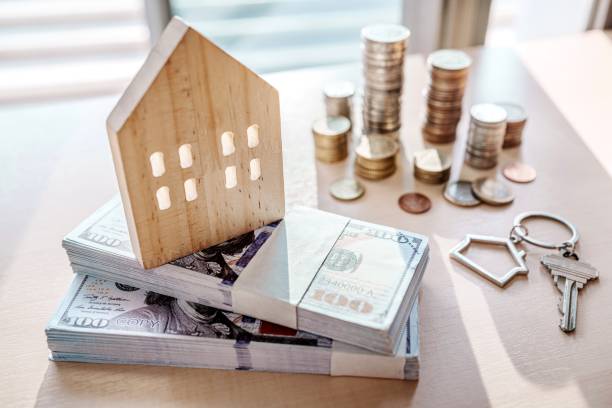
 If you are a homeowner thinking about making some upgrades to your house, you might be looking for a way to pay for them. Maybe you want to remodel the kitchen, add a new bathroom, or replace an old roof. These projects can cost a lot of money. One option you may have heard about is a cash-out refinance. This is a type of mortgage that lets you use the value you have built up in your home to get a lump sum of cash. It can be a smart way to fund home improvements, but it is important to understand how it works and what it means for your finances.First, let’s talk about what a cash-out refinance is. When you have a mortgage on your home, you pay down the loan amount over time. The difference between what your house is worth and what you still owe is called your home equity. With a cash-out refinance, you replace your current mortgage with a new, larger loan. You take out enough extra money to cover the cost of your home improvements. The new loan pays off your old mortgage, and you receive the leftover cash at closing. Then you make monthly payments on the new, larger loan just like you did before. The interest rate on the new loan might be different from your old one—sometimes lower, sometimes higher—depending on market conditions and your credit.One of the main reasons homeowners choose a cash-out refinance for improvements is that the interest rate is usually much lower than what you would get with a credit card or a personal loan. Mortgage rates tend to be among the lowest borrowing rates available because the loan is secured by your home. That means if you don’t make your payments, the lender can take your house. But because you are using the money to improve the property, you are increasing its value at the same time. In theory, the upgrades you pay for should raise your home’s worth, which could give you even more equity down the road.Another advantage is that you get one single monthly payment instead of juggling multiple debts. If you were planning to use credit cards or a home equity loan, you would have separate payments. A cash-out refinance rolls everything into one mortgage payment, which can be easier to manage. Also, if you qualify for a lower interest rate than your current mortgage, you could end up with a lower monthly payment even after borrowing more money. That depends on how much you take out and the rate you lock in.However, a cash-out refinance is not without risks. The biggest one is that you are increasing the amount you owe on your home. Your monthly payment will be higher unless you also manage to lower your interest rate significantly. If you take out too much cash or if property values drop, you could end up owing more than your house is worth. That is called being underwater on your mortgage, and it can make it hard to sell or refinance later. Also, closing costs on a refinance can be several thousand dollars. You have to factor those costs into your decision. Some lenders let you roll the closing costs into the loan, but that means you pay interest on them for the life of the loan.Before you decide to use a cash-out refinance for home improvements, it is a good idea to compare it with other options. A home equity loan is another way to tap your equity. With a home equity loan, you keep your original mortgage and take out a second loan. That gives you two payments. A home equity line of credit, or HELOC, works like a credit card where you borrow only what you need. Both of these options often have higher interest rates than a cash-out refinance, but they also have lower closing costs. Which one is better depends on your situation and how much cash you need.Another thing to consider is how long you plan to stay in your home. If you are going to move in a few years, the closing costs of a cash-out refinance might not be worth it. You would be paying thousands of dollars upfront for a loan you won’t keep long enough to break even. On the other hand, if you plan to live in your house for many years, spreading those costs over a longer time can make sense.It is also wise to be realistic about the value your improvements will add. Not every home project increases your home’s worth by the same amount. A new roof or updated kitchen usually adds value, but a swimming pool or a high-end renovation might not pay off when you sell. You should talk to a local real estate agent or an appraiser to get an idea of what improvements make sense in your neighborhood.Finally, always shop around. Different lenders offer different rates and fees for cash-out refinances. Even a small difference in the interest rate can save you thousands of dollars over the life of the loan. Ask for quotes from at least three lenders and compare the annual percentage rate, or APR, which includes both the interest rate and the costs. Make sure you understand the terms before you sign.In summary, a cash-out refinance can be a good way to pay for home improvements if you have enough equity, you plan to stay in your home, and you can get a favorable rate. It gives you a lump sum of cash at a lower cost than many other borrowing options. But it also increases your debt and carries risks. Weigh the pros and cons carefully, and consider talking to a mortgage professional to see if it is the right move for you.
Your DTI ratio is a key factor lenders use to assess your ability to manage monthly payments. Most lenders prefer a DTI below 43%, though some may allow up to 50% with strong compensating factors. To calculate it, divide your total monthly debt payments by your gross monthly income.
The loan term is a primary driver of your monthly payment. A shorter term means you’re paying back the same principal amount in fewer payments, so each payment is higher. For example, the monthly principal and interest payment on a 15-year loan is roughly 40-50% higher than on a 30-year loan for the same amount and a similar interest rate.
The amount you save can be substantial. For example, on a 30-year, $300,000 mortgage at a 4% interest rate, making one extra payment per year could save you over $30,000 in interest and allow you to pay off the loan nearly 5 years early. Use an online mortgage acceleration calculator to see the exact savings for your loan.
Rebuilding credit is a marathon, not a sprint. The timeline depends on the severity of the issues:
Raising your score by a few points by lowering your credit utilization can happen in just one billing cycle.
Recovering from a series of late payments typically takes at least 6-12 months of consistent on-time payments to see significant improvement.
Rebuilding after a major event like bankruptcy or foreclosure is a longer process, often taking 2-5 years of perfect financial behavior to reach a “good” score range.
Do NOT cancel your automatic payments with your old servicer immediately.
Your final payment to the old servicer should cover the month leading up to the transfer date.
You must set up a new automatic payment (or one-time payment) with the new servicer for all payments due after the transfer effective date.