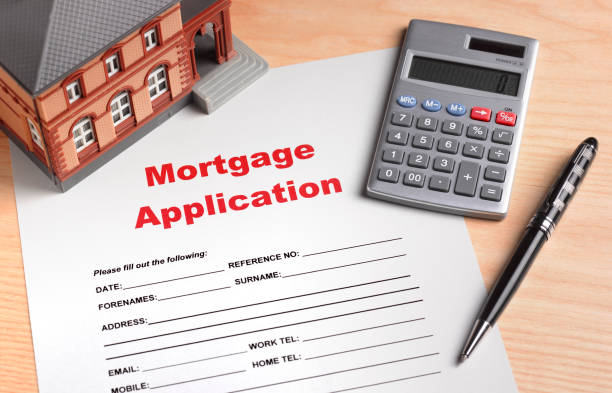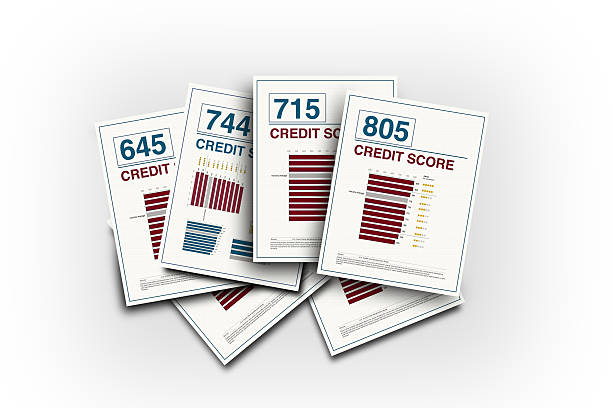
When navigating the complexities of securing a mortgage, the focus often rests on interest rates and monthly payments. However, two critical, behind-t...
Read More
When navigating the complex financial landscape of purchasing a home, one line item that often prompts questions is title insurance. Unlike recurring ...
Read More
When navigating the complexities of refinancing a mortgage, homeowners are often presented with a suite of closing costs and optional protections. Amo...
Read More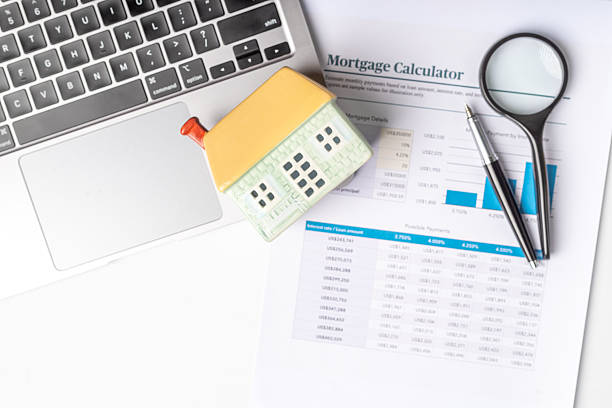
Securing a mortgage is often described as a financial marathon, filled with paperwork, appraisals, and verifications. Amidst this flurry of activity, ...
Read More
The question of how long a title search process takes is a common one for anyone entering a real estate transaction, and the answer, while seemingly s...
Read More
The act of purchasing a property is often a pinnacle of personal and financial achievement. Yet, beneath the surface of a charming facade or a promisi...
Read MoreReplacement Cost: Pays to repair or replace your home or belongings without deducting for depreciation. This is the standard and often required coverage for the dwelling. Actual Cash Value (ACV): Pays the replacement cost minus depreciation. This means you get a lower payout for older items and may not be sufficient to meet a lender’s requirements for the main structure.
You will need to repay the missed amounts. You and your servicer will agree on a repayment plan before the forbearance ends. Common options include a repayment plan (adding a portion of the missed payments to your regular bills for a set time), a lump-sum payment (paying the full amount at once, which is less common), or a loan modification (permanently changing the loan terms, such as extending the loan term).
When the balloon payment comes due, you generally have three options:
1. Pay the balance in full with your own funds.
2. Sell the property and use the proceeds to pay off the loan.
3. Refinance the balloon mortgage into a new, long-term mortgage, subject to qualifying for the new loan.
This usually comes down to fees. If Lender A and Lender B offer the same 6.5% interest rate, but Lender A has higher origination fees, their APR will be higher. This highlights why comparing APRs is essential for identifying the most cost-effective lender.
The cost varies greatly depending on the size of your yard and whether you do it yourself or hire a service.
DIY: Costs include a mower, trimmer, hose, fertilizer, and plants. Initial investment can be a few hundred dollars.
Professional Service: Can range from $50 to $200+ per month for regular mowing and basic maintenance, with additional costs for seasonal clean-ups.