

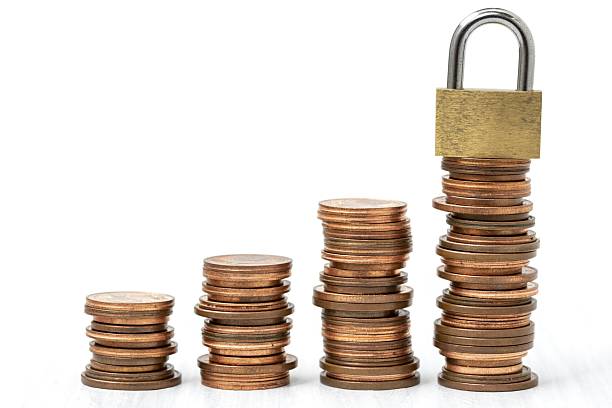
When you start shopping for a mortgage, you will hear a lot about locking in your interest rate. A standard rate lock means your lender promises you a specific rate for a set period, usually 30 to 60 days. But there is another option you might not know about: a floating rate lock. Some lenders call it a “float-down” or a “rate renegotiation” option. It sounds fancy, but it is actually simple. Think of it as a safety net with a possible bonus.
A floating rate lock lets you lock in a rate today, but unlike a regular lock, you can ask for a lower rate later if market rates drop before you close on your loan. You pay a small fee up front for this flexibility, usually a fraction of a point. If rates go down, you get the lower rate. If rates stay the same or go up, you keep the original locked rate. No worse off. But it is not automatic. You have to request the float-down, and there are often rules. For example, the new rate must be at least a quarter percent lower than your locked rate. And you can usually only do it once.
So when does a floating rate lock actually save you money? It works best when the market is shaky. Say you are buying a home and you expect to close in 45 days. Mortgage rates have been bouncing up and down. You lock a rate of 7% with a float-down option for a small fee. Three weeks later, rates drop to 6.75%. Your lender lets you move down to 6.75%. Over 30 years on a $300,000 loan, that quarter percent saves you about $50 a month and roughly $18,000 in total interest. The fee you paid might have been $500 to $1,000. That is a good deal.
But here is the catch. If rates never drop, you paid a fee for nothing. That feels like a waste. Also, some lenders have fine print. Maybe they only let you float down if rates drop by a half percent, not a quarter. Or they charge an extra fee every time you float. And if you do not close on time, the lock expires, and your float-down option disappears. So you need to read the paperwork, even though I said no legalese. Yes, you do. Ask your loan officer: “How much does the float-down cost? What is the minimum drop? Can I do it more than once? What if my closing is delayed?“
Another risk: you might lock a rate, see rates fall, but your lender drags their feet processing your float-down request. Meanwhile, rates go back up. You lose the chance. So ask about the timeline. Some lenders give you a 24-hour window to request the float after a rate change. Be ready.
Floating rate locks are not for everyone. If you are risk-averse and hate uncertainty, a standard lock might be better. You pay nothing extra, and you know exactly what your payment will be. But if you are willing to gamble a small fee for a chance at a better rate, a floating lock can be smart. It is especially useful when rates are high and you think they might drop soon. Many mortgage experts suggest floating only if you have a strong feeling rates will move lower, or if you have room in your budget to absorb the fee if you are wrong.
One more thing: some lenders offer a “free” float-down as a promotion. But that is rare. Usually you pay. Also, if you are refinancing instead of buying a home, floating locks work the same way. The same risks and rewards apply.
In short, a floating rate lock is a tool, not a magic trick. It puts you in control. If rates go your way, you win. If they do not, you lose the fee but keep your original rate. The key is to know the rules, ask the right questions, and decide based on your tolerance for risk. For most homeowners, the peace of mind of a standard lock is enough. But if you want to play the game a little, floating can pay off.
Remember, mortgage rates change every day. News about the economy, jobs, inflation, or even a tweet can move them. No one can predict perfectly. A floating lock is just a way to hedge your bet. Talk to your lender, crunch the numbers, and make the choice that fits your situation. You are the one writing the check each month, so choose what feels right.