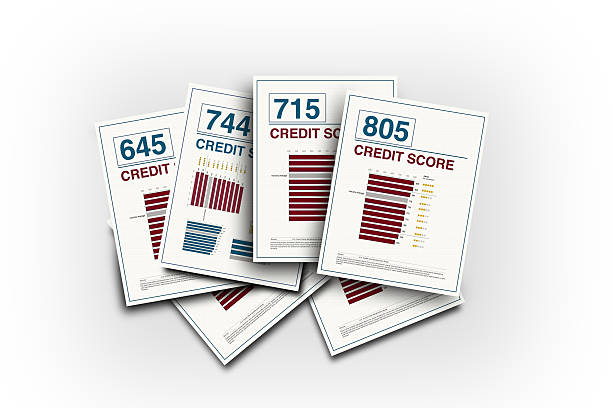
 In the landscape of personal finance, few documents hold as much power and significance as your credit report. It is the foundational record upon which lenders, landlords, and even some employers base critical decisions about your trustworthiness. Given its importance, a common and prudent question arises: how often should one check this vital financial snapshot? The consensus among financial experts and consumer protection agencies is clear: you should review your credit reports from all three major bureaus—Equifax, Experian, and TransUnion—at least once per year. However, for many individuals, a more frequent schedule is advisable to ensure optimal financial security and accuracy.The recommendation of an annual check is not arbitrary; it is enshrined in federal law for your protection. Through AnnualCreditReport.com, you are entitled to one free report from each bureau every twelve months. This annual review serves as a fundamental health check for your financial identity. It allows you to verify that the information reported—your accounts, payment history, balances, and personal details—is correct. Errors are not uncommon, ranging from simple misspellings to accounts that do not belong to you, and these inaccuracies can unjustly lower your credit score. An annual examination provides a regular opportunity to dispute and rectify such mistakes before they cause significant harm, such as a loan denial or higher interest rates.While an annual check is the baseline, certain life circumstances and financial goals warrant a more vigilant approach. If you are actively planning a major financial move, such as applying for a mortgage, an auto loan, or a new rental apartment, it is wise to check your reports several months in advance. This proactive step gives you ample time to address any surprises and polish your credit profile to secure the best possible terms. Furthermore, if you have reason to believe you are a victim of identity theft or fraud, immediate and repeated checking is essential. Signs like unexpected denials of credit, mysterious accounts on your statements, or alerts from your bank should prompt you to pull your reports immediately to assess the damage and begin the recovery process.For those seeking the highest level of oversight, checking one of your three reports every four months creates a rotating, year-round monitoring system. Since you have three separate reports available for free annually, you can strategically space out your requests. For instance, you might check your Equifax report in January, your Experian report in May, and your TransUnion report in September. This method provides consistent, quarterly-like insight into your credit health without cost, making it easier to spot new inaccuracies or fraudulent activity soon after they appear. This rotational strategy strikes an excellent balance between diligence and practicality for the average consumer.Ultimately, the frequency of checking your credit report is a personal decision that should align with your financial situation and peace of mind. Treating your credit report with periodic attention is not an act of paranoia but one of responsible stewardship. It is the equivalent of reviewing a bank statement or a medical report—a necessary practice to ensure everything is in order. In a world where data breaches and identity theft are prevalent, and where your credit score directly impacts your financial opportunities, regular reviews are a minor investment of time with a potentially major return. By committing to at least an annual review, and increasing that frequency when necessary, you take control of your financial narrative, ensuring that the story your credit tells is accurate, positive, and truly your own.
A Letter of Explanation (LOX) is a brief, factual statement you write to clarify something for the underwriter. Common reasons include explaining a credit inquiry, a gap in employment, or a large bank deposit. Be honest, concise, and stick to the facts—who, what, when, where, and why.
The underwriter is the key decision-maker for your loan. They are not your loan officer; their role is to be an objective, third-party analyst. They verify all the information in your application, ensure it meets the lender’s guidelines and investor requirements, and make the final approval decision.
Yes. Any large, non-payroll deposit (typically any deposit that is more than 50% of your total qualifying monthly income) will need to be sourced and explained. You may need to provide a gift letter, a copy of a bonus check, or documentation of the sale of an asset to prove the funds are acceptable for mortgage purposes.
Most lenders use a secure online portal for document uploads. This is the fastest and most secure method. You can also submit documents via email, fax, or in-person, but an online portal is generally preferred for efficiency and security.
No. Loans backed by the Federal Housing Administration (FHA) have Mortgage Insurance Premiums (MIP), which have different, often more stringent, rules. For most FHA loans, MIP is for the life of the loan if you put down less than 10%. To remove it, you typically need to refinance into a conventional loan.