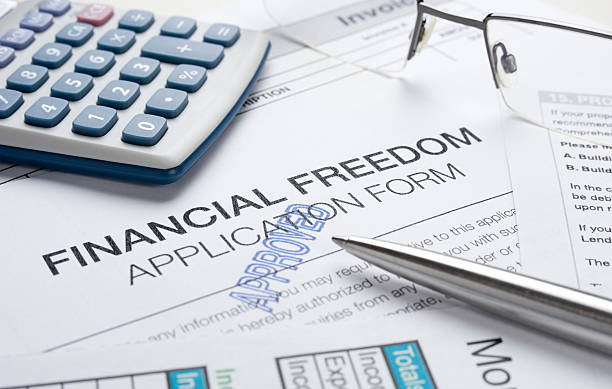
 Discovering an error on your tax bill can be a source of significant anxiety, but it is a situation that many taxpayers encounter. The initial and most crucial step is to avoid panic and understand that there are established, formal procedures to address and rectify such mistakes. Whether the error stems from an oversight on your part, a miscalculation by your employer, or a processing mistake by the tax authority, taking prompt and methodical action is key to resolving the issue efficiently and minimizing any potential financial penalties.Upon suspecting an inaccuracy, your first action should be to thoroughly review the notice or bill you received. Tax authorities typically send detailed statements explaining any changes or assessments. Scrutinize this document carefully, comparing its figures with your own records, including your original tax return, W-2s, 1099s, and receipts for deductions or credits you claimed. It is essential to identify the precise nature of the discrepancy—whether it involves your reported income, your filing status, a mathematical error, or a disallowed deduction. This careful review will arm you with the specific information needed to proceed. During this stage, gather all relevant supporting documents that substantiate your position. Creating a clear paper trail is indispensable for the entire correction process.Once you have identified the error and assembled your documentation, you must formally contact the tax authority. In the United States, this means reaching out to the Internal Revenue Service (IRS) or your state’s revenue department. The contact information is usually provided directly on the notice you received. It is generally advisable to respond in writing, sending your correspondence via certified mail with a return receipt requested. This provides proof of the date you initiated contact, which can be important if there are deadlines involved. Your written response should be polite, concise, and factual. Clearly state the notice number, explain why you believe the bill is incorrect, and reference the enclosed copies of documents that support your claim. Keeping a duplicate of everything you send is a fundamental practice.While waiting for a response, which can take several weeks, you should be mindful of any payment deadlines indicated on the bill. If the disputed amount is substantial and you fear accruing penalties, you may consider paying a portion of the bill—specifically the amount you agree you owe, if any—while contesting the remainder. In some cases, you might explore setting up a payment plan to avoid more severe collection actions while your dispute is pending. It is important to continue engaging with the process even after you have sent your letter. If you receive no response within a reasonable timeframe, follow up with a phone call using the number on your notice. Be prepared for long wait times and have all your relevant information at hand when you do get through to a representative.For complex situations involving large sums, nuanced tax law, or if you simply feel overwhelmed, seeking professional assistance is a prudent course of action. A certified public accountant (CPA), an enrolled agent, or a tax attorney can provide invaluable expertise. These professionals understand the intricacies of tax codes and the procedural nuances of dealing with revenue agencies. They can communicate on your behalf, ensure all forms are filed correctly, and represent you in audits or appeals if the dispute escalates. Although this involves a fee, the cost can be justified by the potential savings, the reduction of your stress, and the avoidance of costly mistakes in the appeals process. Ultimately, correcting an incorrect tax bill is a manageable challenge when met with calm, organized, and persistent action. By verifying the error, communicating clearly with the tax authority, and seeking help when needed, you can resolve the discrepancy and ensure your tax records are accurate.
Your decision should be based on your financial picture and life goals. Choose a shorter term (15-20 years) if: Your monthly budget comfortably handles the higher payment, your primary goal is to save on interest and be debt-free faster, and you have a stable, robust income. Choose a longer term (30 years) if: You need the lower payment to qualify for the loan or to maintain comfortable cash flow, you want the flexibility to invest extra money elsewhere, or you plan to move before the long-term interest savings would be realized.
Lenders typically require an escrow account to protect their financial interest in your property. By ensuring that property taxes and insurance are paid on time, the lender prevents situations like tax liens (which take priority over the mortgage) or uninsured damage from a fire or storm, both of which could jeopardize the value of the property that secures the loan.
Long-term mortgage management is the ongoing process of strategically handling your mortgage over its entire lifespan, typically 15 to 30 years. It’s not just about making monthly payments; it’s about actively monitoring your loan, understanding your equity, and making informed decisions to save money, reduce risk, and achieve your financial goals faster. Proper management can save you tens of thousands of dollars in interest and help you build wealth through home equity.
Be Proactive: Submit all requested documents quickly and completely.
Be Honest: Disclose all financial information accurately from the start.
Avoid Major Financial Changes: Do not open new credit cards, take out new loans, or make large, undocumented deposits into your accounts during this time.
Stay Employed: Do not quit or change your job.
Respond Promptly: Answer any questions from your loan officer or underwriter as soon as possible.
PMI is insurance that protects the lender if you default on your loan. It is typically required on conventional loans when your down payment is less than 20%. The cost is added to your monthly mortgage payment. Once you reach 20% equity in your home, you can usually request to have PMI removed.