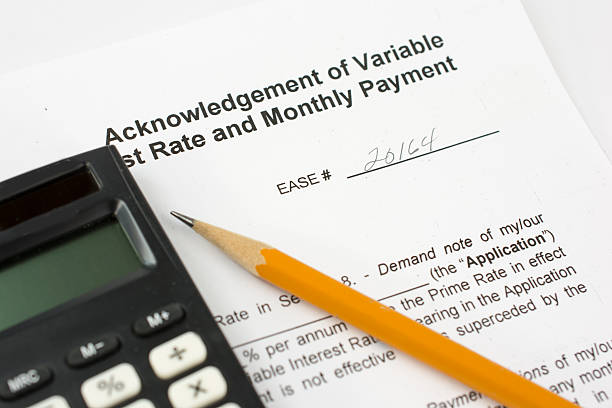
 If you put down less than 20 percent when you bought your home, you probably have private mortgage insurance, or PMI, tacked onto your monthly payment. That extra cost can add up to hundreds of dollars every year. The good news is that PMI is not permanent. Once you build enough equity in your home, you can have it removed. Understanding how this works can save you a significant amount of money over the life of your loan.First, it helps to know what equity is. Equity is simply the part of your home you actually own. It is the difference between what your house is worth and what you still owe on your mortgage. For example, if your home is worth $300,000 and you owe $240,000, you have $60,000 in equity. That is 20 percent of the home’s value. And reaching that 20 percent equity mark is the key to getting rid of PMI.Lenders require PMI to protect themselves in case you stop making payments. Once your equity reaches 20 percent of the home’s original value, the lender’s risk drops, and you have the right to request that PMI be canceled. You can also get PMI removed automatically when your equity reaches 22 percent, thanks to a federal law called the Homeowners Protection Act. But you do not have to wait that long. There are several ways to speed up the process.One of the simplest ways to build equity faster is to make extra principal payments on your mortgage. Every time you send in a little more than your regular payment, that extra amount goes straight toward reducing your loan balance. Even an extra $50 or $100 each month can shave years off your loan term and help you reach that 20 percent equity point quicker. Just make sure to tell your lender that the extra money should be applied to the principal, not to future payments.Another option is to improve your home’s value. If you make upgrades that increase your property’s market value, your equity grows even if your loan balance stays the same. Anything that makes your home more attractive to buyers, like a new kitchen countertop, updated bathrooms, or energy-efficient windows, can help. Once the improvements are complete, you can hire a licensed appraiser to give you a new valuation. If the appraisal shows your loan-to-value ratio has dropped to 80 percent or lower, you can use that report to ask your lender to cancel PMI.Refinancing your mortgage is another path, but it only makes sense if interest rates are lower than what you currently have. When you refinance, you take out a new loan to pay off the old one. If your home’s value has gone up or you have paid down the balance enough to get to 80 percent loan-to-value, the new loan might not need PMI at all. Just watch out for closing costs, which can eat into your savings. Run the numbers to see if the lower payment without PMI is worth the upfront expense.Keep in mind that not all loans let you remove PMI early. If you have an FHA loan that started after June 2013, you are stuck with mortgage insurance for the life of the loan unless you refinance into a conventional loan. Also, if you have a government-backed loan like a VA loan, there is no PMI to begin with. But for most conventional loans, the rules are clear.To request PMI removal, you usually need to write a letter to your lender. Include evidence that your loan balance is at least 20 percent of the home’s original value. That evidence could be a recent mortgage statement showing your balance, or a new appraisal if you are claiming the home’s value has gone up. Your lender must respond within a reasonable timeframe. If they deny your request, they have to explain why.The single most important thing to remember is that PMI removal is not automatic once you hit 20 percent equity. You have to ask for it. Many homeowners forget this and continue paying PMI for months or even years after they qualify to have it dropped. Put a reminder on your calendar to check your equity every year. You can also track your loan balance online and compare it to your home’s current value using websites that estimate property values.Some lenders offer a service where they automatically drop PMI at 78 percent of the original home value, but that is a higher threshold and takes longer. If you wait for that, you are giving away money you could have saved. Be proactive. Once you believe you have at least 20 percent equity, contact your lender and ask what you need to do. The paperwork may be small, but the long-term savings are real.Removing PMI is one of the smartest moves you can make as a homeowner. It frees up cash each month that you can put toward other goals, like home repairs, investments, or just paying down your mortgage faster. And once that insurance charge disappears, your total monthly housing cost goes down without you having to change anything else about your lifestyle.
Yes, many state and local governments, as well as non-profit organizations, offer closing cost assistance programs for first-time or low-to-moderate-income homebuyers. These are often grants or low-interest loans.
A seller’s market occurs when demand for homes exceeds supply. This leads to multiple offers, rising home prices, and homes selling quickly. A buyer’s market occurs when there are more homes for sale than there are buyers. This gives buyers more negotiating power, often resulting in price reductions and slower sales.
Yes, absolutely. Lenders consider HOA fees part of your total monthly housing expense when calculating your debt-to-income (DTI) ratio. High HOA fees can reduce the loan amount you qualify for or even prevent loan approval if your DTI ratio becomes too high.
While not a constant monthly bill, appliances have ongoing costs.
Energy and Water: Older, less efficient appliances can significantly increase your utility bills.
Maintenance: Regular cleaning and servicing (e.g., cleaning dryer vents, descaling a water heater) can extend their life and prevent costly repairs.
Warranties: You may choose to pay for extended warranties or home warranty plans to cover repair or replacement costs.
Conforming Loan: A mortgage that meets the loan limits and guidelines set by Fannie Mae and Freddie Mac. These loans often have competitive, standardized rates.
Jumbo Loan: A mortgage that exceeds the conforming loan limits. Because they are larger and considered riskier for lenders, jumbo loans typically have higher interest rates and stricter credit requirements.