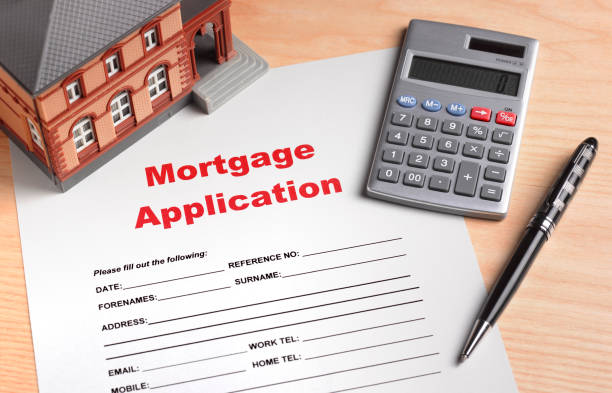
 When you’re in the middle of buying a home or refinancing, waiting for updates from your mortgage lender can feel like watching paint dry. You send an email, you leave a voicemail, and then you stare at your phone wondering if they’ll ever get back to you. It’s frustrating, and it makes a stressful process even worse. The good news is that you don’t have to sit around and hope for the best. You can set up a clear communication schedule with your lender from the very start. This simple step keeps everyone on the same page, reduces your anxiety, and helps your loan move forward without unnecessary delays.The key is to talk about communication before you even apply for the loan. When you first speak with a loan officer, ask them directly how they prefer to stay in touch. Some people like phone calls, others live by text messages, and many use email for the paperwork trail. Find out what works for them, but also tell them what works for you. Maybe you want a quick text when they receive a document, or you prefer a weekly email summary of where things stand. There’s no right or wrong way, as long as you both agree on the method and the frequency.Once you decide on the channel, set a cadence. A good rule of thumb is to expect a touchpoint at least every two to three business days during the active part of the loan process. That doesn’t mean you need a full conversation each time. Sometimes a short message saying “I’m still waiting on the appraisal, will update you by Friday” is enough to keep you from worrying. Ask your lender if they can commit to a specific day or time for a check-in, like every Monday morning or every Wednesday afternoon. Having a regular slot makes the whole thing feel more predictable.But what happens when you need an answer right away? Maybe you found a better rate from another lender and need to decide quickly, or you’re in a bidding war and have to lock in your financing. This is where you need to talk about response times. Most lenders will tell you they try to respond within 24 hours during the business week. That’s reasonable, but it might not be fast enough for urgent situations. So ask them directly: “If I have an emergency, what’s the fastest way to reach you?” They might give you a cell phone number for texts or a direct line to their assistant. Get that information written down and use it only when you really need to.You also need to set expectations for the documents you send. Every loan involves a lot of back-and-forth with pay stubs, bank statements, tax returns, and other paperwork. It’s easy for things to get lost or ignored. Tell your lender that you will send documents by a certain time each day, and ask them to confirm receipt. Even a simple “Got it, thanks” lets you know they’re working on it. If they don’t confirm within a few hours, follow up. It’s not being pushy, it’s being smart.Another big part of a communication schedule is knowing what to do when you don’t hear back. Have a plan. If you haven’t gotten a response in 48 hours, send a polite follow-up. If another day goes by, call the main office and ask for the loan processor or the manager. You aren’t bothering anyone—you’re just making sure your paperwork doesn’t get stuck in a pile. Professional lenders expect this, and they’d rather you check in than assume everything is fine when it’s not.Finally, remember that your loan officer is human. They have other clients, and sometimes things come up. Be patient but firm. If you set a schedule and they break it more than once without a good reason, speak up. You have the right to switch lenders if communication is consistently poor. A good relationship with your lender is built on trust, and trust comes from knowing exactly when you’ll hear from them and how to reach them when you need to.By setting a communication schedule early, you turn an uncertain wait into a manageable process. You’ll feel more in control, you’ll spot problems sooner, and your loan will close faster. Take the time to ask the right questions, agree on a plan, and stick with it. Your sanity and your home purchase will thank you.
# Underwriting: The Lender`s Risk Assessment
First-time homeowners often underestimate utilities that were previously included in rent. Be sure to account for:
Water and Sewer
Trash and Recycling Collection
Natural Gas or Propane
Increased electricity usage (for a larger space)
The average U.S. household spends $70-$150 per month on combined water and sewer services. This is highly dependent on local rates, the size of your lot (for irrigation), and the number of occupants. Homes in drier climates with extensive landscaping will have significantly higher water bills.
The main risk is payment shock. If interest rates rise significantly at the time of your rate adjustment, your monthly mortgage payment could increase dramatically. With a fixed-rate mortgage, you are protected from this risk for the life of the loan.
Hardscaping: Refers to the non-living, hard elements like patios, walkways, retaining walls, and decks. This is typically the most expensive part of landscaping, often costing thousands of dollars.
Softscaping: Refers to the living, horticultural elements like plants, trees, grass, and mulch. While costs can add up, it is generally less expensive per square foot than hardscaping.