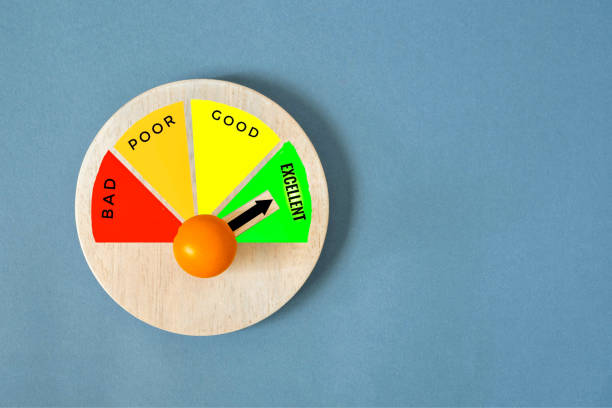
 When navigating the path to homeownership, particularly with a down payment of less than 20%, private mortgage insurance (PMI) becomes a significant financial consideration. A common and crucial question prospective buyers ask is: does my credit score affect my PMI cost? The unequivocal answer is yes. Your credit score is a primary determinant in calculating your PMI premium, acting as a key signal to lenders and insurers about the level of risk you represent. Understanding this relationship is essential for any homebuyer seeking to manage their long-term mortgage expenses effectively.At its core, PMI is a risk mitigation tool for lenders, protecting them in case a borrower defaults on their loan. Since borrowers with lower down payments are statistically more likely to default, PMI is required. However, the down payment percentage is only one piece of the risk puzzle. Your credit score provides a detailed history of your financial behavior, including debt repayment, credit utilization, and overall reliability. Insurers use complex algorithms that weigh your credit score alongside your loan-to-value ratio (LTV) and debt-to-income ratio (DTI) to assign a specific risk category. Borrowers with higher credit scores are placed in lower-risk tiers, which translates directly to lower PMI premiums. Conversely, a lower credit score places you in a higher-risk category, resulting in a more expensive PMI policy to offset the insurer’s perceived greater chance of loss.The impact on your monthly payment can be substantial. For illustrative purposes, consider two borrowers each securing a $300,000 mortgage with a 10% down payment. The borrower with an exceptional credit score of 780 might pay an annual PMI rate of 0.25% of the loan amount, or about $62.50 per month. Meanwhile, a borrower with a fair credit score of 650 could be assigned an annual rate of 1.5%, costing approximately $375 per month. This difference of over $300 monthly is a direct consequence of the credit score disparity, amounting to thousands of dollars over the life of the PMI policy. This premium is typically bundled into your monthly mortgage payment, making it a recurring and palpable expense.Furthermore, your credit score can influence the type of PMI you qualify for and its duration. While monthly premium PMI is the most common, some borrowers with excellent credit may have more options, such as single-premium PMI (a one-time, upfront payment) or lender-paid PMI (a higher interest rate in exchange for no separate PMI payment). These alternatives can sometimes be more cost-effective depending on your circumstances and how long you plan to stay in the home. Importantly, a higher credit score can also help you reach the 20% equity threshold faster if it enables you to secure a more favorable mortgage interest rate, thereby reducing the principal more quickly and allowing for earlier cancellation of PMI.Given this significant financial impact, proactive credit management is one of the most powerful steps a prospective homebuyer can take. Well before applying for a mortgage, individuals should obtain their credit reports, dispute any inaccuracies, and work diligently to improve their scores. This involves consistently paying all bills on time, reducing outstanding credit card balances to lower credit utilization ratios, and avoiding opening new lines of credit in the months leading up to a mortgage application. The effort invested in boosting a credit score from the “fair” range to the “good” or “excellent” range can yield profound savings, not only on the mortgage interest rate itself but also on the often-overlooked cost of PMI.In conclusion, the link between your credit score and your PMI cost is direct and financially consequential. Your credit score serves as a foundational metric in the risk assessment performed by mortgage insurers, directly dictating the premium rate applied to your loan. By recognizing this relationship and taking strategic steps to build and maintain a strong credit profile, homebuyers can exert meaningful control over this mandatory expense, transforming their creditworthiness into tangible monthly savings and a more affordable path to building home equity.
Pros: Massive savings on total interest paid. Build equity very rapidly. Loan is paid off in half the time. Typically comes with a lower interest rate. Cons: Much higher monthly payment. Less flexibility in your monthly budget. Ties up more cash that could potentially be invested for a higher return.
You can expect to pay many of the same fees as a first mortgage, including an application fee, home appraisal fee, origination fees, legal fees, and potential closing costs. Some lenders may also charge points (a percentage of the loan amount) to originate the loan.
Your financial documentation can be broken down into four key categories:
Proof of Identity & Assets: Social Security cards, driver’s licenses, passports, and statements for all bank, investment, and retirement accounts.
Proof of Income & Employment: Recent pay stubs, W-2 forms from the past two years, and federal tax returns.
Proof of Funds for Down Payment & Closing Costs: Bank statements showing the accumulation of your down payment funds.
Debt & Liability Information: Statements for all existing loans (car, student, personal) and current credit card statements.
When you pay points, you are essentially paying interest upfront. This prepayment reduces the lender’s risk and compensates them for the lower interest payments they will receive over the life of the loan. In return, they offer you a permanently reduced rate.
For any non-standard income, documentation is key.
Rental Income: Provide a copy of your lease agreement and the last two years of tax returns showing the rental property is reported.
Bonus/Overtime: Provide pay stubs detailing the bonus and your last two years of tax returns to show this income is consistent. A letter from your employer may also be required.