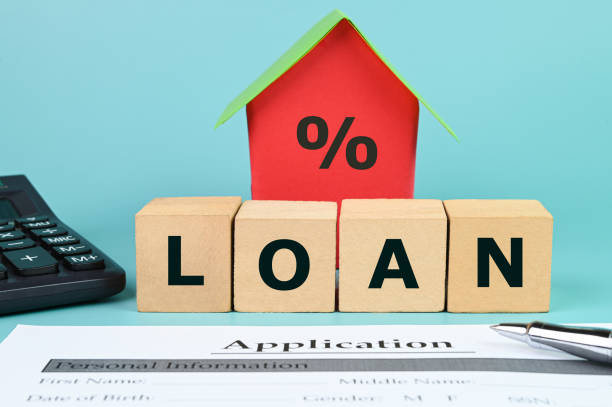
When you start shopping for a mortgage, one of the first choices you face is where to get the loan. You have two main options: a traditional bank or a credit union. Both can give you a mortgage, but the way they handle interest rates and fees can be very different. Understanding these differences will help you keep more money in your pocket over the life of your loan.
Banks are for-profit companies. They answer to shareholders who expect to make money. That means banks often set their interest rates and fees with profit as the main goal. Credit unions are not-for-profit organizations. They are owned by their members, which are the people who have accounts there. Because credit unions do not have to pay shareholders, they can often offer lower interest rates and lower fees on mortgages.
The difference in interest rates might seem small, but even a quarter of a percent lower rate can save you thousands of dollars over a thirty-year loan. For example, on a two hundred thousand dollar mortgage, a rate difference of half a percent could lower your monthly payment by about sixty dollars. Over thirty years, that adds up to more than twenty thousand dollars in savings. Credit unions are known for offering competitive rates because they pass their earnings back to members in the form of lower rates and better terms.
Fees are another area where banks and credit unions often part ways. Banks tend to charge more fees and higher amounts for things like loan origination, application processing, and closing costs. Credit unions are more likely to keep these fees low or waive them altogether for members. Some credit unions even offer no-closing-cost mortgages, where they cover many of the upfront fees in exchange for a slightly higher interest rate. That can be a good option if you don’t have a lot of cash on hand.
However, there is a catch with credit unions. You usually have to become a member to get a mortgage from them. Membership requirements vary. Some credit unions are open to anyone who lives in a certain area, works for a specific employer, or belongs to a particular organization. Others are very broad and let you join by making a small donation to a related charity. Banks, on the other hand, are open to everyone. You do not need to be a member or meet any special requirements to apply for a mortgage. If you already belong to a credit union, that is a big advantage. If you do not, you may have to check whether you qualify for membership before you start the mortgage process.
Another difference is the type of customer service you can expect. Banks are large and often have many layers of staff. You might talk to a loan officer, then a processor, then an underwriter, and never see the same person twice. Credit unions tend to be smaller and more community focused. You are more likely to work with the same person from start to finish. That can make the process less stressful and easier to understand. If you have a question about a fee or a rate, you can often call the same person who helped you fill out the application.
But size has its advantages too. Big banks have many branches and a lot of technology. They may offer online applications, mobile apps, and quick preapproval tools that smaller credit unions cannot afford. If you value convenience and speed, a bank might suit you better. Credit unions sometimes lag behind in digital services, though many have improved in recent years.
Do not assume that every credit union will have lower rates or fees than every bank. Some banks offer competitive promotions to attract new customers. Some credit unions charge higher rates for certain loan types. The best approach is to shop around. Get rate quotes from at least two banks and two credit unions. Compare the interest rates and the total fees, not just the monthly payment. Ask for a loan estimate, which is a standard form that shows all the costs. This way you can see exactly what you are being charged.
One more thing to keep in mind is that credit unions often hold onto the loans they originate instead of selling them to other companies. That means you might make your payments to the same credit union for the entire life of the loan. Banks more commonly sell mortgages to investors like Fannie Mae or Freddie Mac. That can change who you send your payment to, but it usually does not affect your rate or terms. Some homeowners prefer the stability of knowing who their lender will always be.
In the end, choosing between a bank and a credit union comes down to your personal situation. If you can join a credit union and you want lower rates and fees, it is worth a close look. If you need the convenience of a large bank or you do not qualify for any credit union membership, a bank can still give you a good mortgage. The key is to compare the numbers side by side and ask questions about any fee you do not understand. A straightforward approach and a little homework can save you a lot of money.