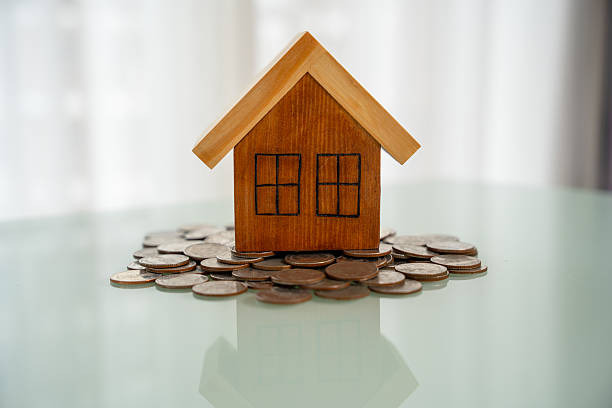
When you sit down to shop for a home loan, you will hear your lender mention something called “mortgage points.“ These are also known as discount points. They are a way for you to pay some money up front in exchange for a lower interest rate on your loan. The idea sounds simple: spend a little extra cash now, save money each month for the rest of your loan. But is it always a smart move? The answer depends on your specific situation, how long you plan to own the home, and how much cash you have available at closing.
A mortgage point is equal to one percent of your loan amount. So if you are borrowing 200,000 dollars, one point will cost you 2,000 dollars. In exchange, the lender will reduce your interest rate by a certain amount. Typically, one point lowers your rate by about one-quarter of a percent, but that number can vary from lender to lender. For example, a rate of 6.5 percent might drop to 6.25 percent if you pay one point. The exact reduction depends on the market and the lender’s pricing.
The main benefit of paying points is that you lower your monthly payment. Over time, those savings add up. If you reduce your rate by a quarter of a percent on a 200,000 loan, your monthly payment could go down by around 30 to 40 dollars. That does not sound like a lot, but over thirty years it amounts to more than 10,000 dollars in savings. The key is that you need to live in the house long enough to collect enough monthly savings to make up for the upfront cost. That time is called the break-even point.
Let’s say you pay 2,000 dollars for a point and save 35 dollars a month. Your break-even point is roughly 57 months, or almost five years. If you sell the house or refinance before that time, you will have spent more on the point than you saved. You lose that money. But if you stay in the house for ten years, you come out ahead.
That is the first big question you need to ask yourself: How long do you plan to live in this home? If you are buying a starter home and expect to move in three to five years, points are probably not worth it. You will not have time to break even. If you are buying a home you intend to keep for ten years or more, points can be a very good deal. The longer you stay, the more you benefit.
Another factor is how much cash you have available. Buying points requires you to bring extra money to closing. If you are already scraping together your down payment and covering closing costs, adding thousands of dollars in points may stretch your budget too thin. Some homeowners choose to put that money toward a larger down payment instead, which also lowers your monthly payment and reduces your loan balance. You need to compare the two options. A larger down payment lowers your payment because you borrow less. Buying points lowers your rate and your payment, but you still have the same loan amount. Which one gives you more bang for your buck depends on the numbers.
If you can afford the extra upfront cash and you have a strong emergency fund, points can be a smart way to invest your savings. Think of it like buying a guaranteed return. By paying points, you are essentially earning interest on that money at the rate difference. If your rate drops by a quarter of a percent, that is a return on your 2,000 dollars of about 1.8 percent per year if you stay for ten years. But that return is tax-free because you are not earning income, you are reducing expenses. And it is guaranteed, unlike stocks or bonds. For cautious homeowners, that can be very attractive.
Be careful not to confuse mortgage points with “origination points” or “loan fees.“ Origination points are simply fees the lender charges to process your loan. They do not lower your rate. Always ask your lender to clearly label what you are paying for. Discount points are the ones that buy down your interest rate.
Finally, consider the tax implications. The IRS allows you to deduct the cost of mortgage points on your taxes in most cases. You can deduct them in the year you buy the home, or spread the deduction over the life of the loan. This can add to your savings. But talk to a tax professional because rules change and your situation may differ.
In short, paying mortgage points is a trade-off. You are swapping cash today for lower monthly payments tomorrow. It works best when you plan to stay in the home for many years and you have enough cash to spare. If you are not sure how long you will stay, or if your cash is tight, it is usually better to skip the points and keep your money for other needs. A good loan officer can run the numbers for you and show exactly how long it will take to break even. Use that information to make a choice that fits your homeownership goals.