

You’re out looking at houses on a Sunday afternoon. You find a place you love, and you’re already thinking about your offer. But then your real estate agent asks, “Do you have a pre-approval letter?” You might say, “Yeah, I talked to my bank and they said I’m pre-qualified.” And your agent will sigh. That’s the moment you need to understand: pre-qualification and pre-approval are not the same thing, and confusing the two can cost you the home you want.
Pre-qualification is a quick, informal conversation. It’s like telling a lender your income, your debts, and how much you have for a down payment, and then them saying, “Alright, you probably qualify for a loan around this amount.” You don’t have to show any paperwork. No pay stubs, no bank statements, no tax returns. It’s a ballpark estimate based on what you tell them. That’s fine if you’re just getting started and want to know what price range to browse online. But it carries almost no weight with sellers. A pre-qualification letter is little more than a note that says, “We chatted and this person seems okay.” In a hot market, that won’t get your offer taken seriously for a second.
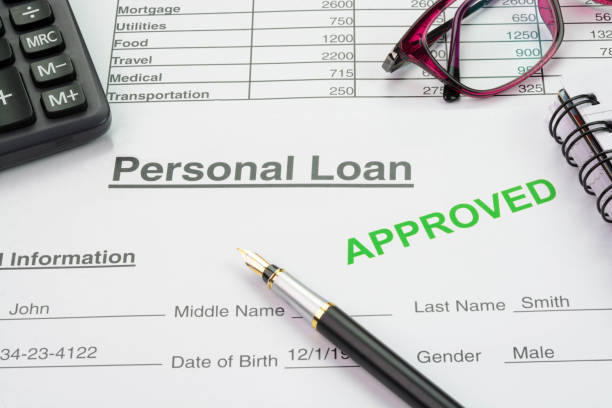
Pre-approval is the real deal. When you get pre-approved, you’ve filled out a full mortgage application and you’ve handed over actual proof of your financial life. That means recent pay stubs, your last two years of W-2s, bank statements for your assets, and maybe your tax returns if you’re self-employed. The lender runs your credit report and checks your debt-to-income ratio. After doing all that, they give you a written commitment for a specific loan amount, and usually a specific interest rate that’s locked for a certain period, typically 30 to 60 days. That letter means the lender has vetted you and is ready to lend you that money, assuming nothing changes. Sellers and real estate agents treat a pre-approval letter as proof that you’re a serious buyer with your finances in order. In a competitive bidding situation, that can be the difference between your offer being accepted or tossed aside.
Here’s the thing many homeowners get wrong: pre-approval is not a guarantee. The lender is still going to verify things right before closing. If you go out and buy a brand new truck or quit your job after getting pre-approved, the lender can pull the plug. That’s why the golden rule is to keep your financial life exactly as it looked when you got pre-approved. No new credit cards, no big purchases, no moving money around without explaining it to your lender. Think of pre-approval as a strong green light, but one that you can still run through if you’re careless.
So how do you know which one you need? If you’re just starting to figure out how much house you can afford, pre-qualification is a fine place to begin. It gives you a rough number and helps you set a budget. Many online lenders let you get pre-qualified in a few minutes without any hard credit pull. But as soon as you’re ready to actually go look at homes and make offers, you should get pre-approved. Don’t wait until you find the perfect house. Get pre-approved before you start serious house hunting. It takes a few days, sometimes a week if you have a complicated tax situation. And it’s free, or nearly free. Some lenders might charge a small application fee, but many don’t. Shop around and see which lender offers the most straightforward process.
You also need to know that pre-approval letters expire. They’re typically good for 60 to 90 days. If you don’t find a house in that time, you’ll need to renew it, which means the lender will pull your credit again and ask for updated pay stubs. That’s normal. It’s not a hassle, it’s how the system works. And if your credit score has changed, your pre-approved amount might change too. So keep an eye on your score and your debt levels.
Another common mistake is assuming that pre-qualification means a lender has checked your credit. Usually, it doesn’t. A pre-qualification is often based on a soft credit check, or no credit check at all. A pre-approval, on the other hand, involves a hard inquiry, which can slightly drop your credit score by a few points. Don’t stress about that. It’s a small, temporary dip that happens when you’re genuinely ready to buy a home. Trying to avoid that hard inquiry by skipping pre-approval is like skipping the test drive because you don’t want to put miles on the car. It makes no sense.
Bottom line: pre-qualification is for your own rough planning. Pre-approval is for actually getting the house. The sooner you get pre-approved, the better position you’re in. It shows sellers you’re serious, it helps you move fast when the right home shows up, and it keeps you from falling in love with a place you can’t really afford. Mortgage shopping can feel like a lot of paperwork, but this one step is worth it. So call a lender, ask for a pre-approval, and get your paperwork together. When you finally find that home you can’t stop thinking about, you’ll be glad you did.