You just got your tax refund deposited, and it feels like free money. But it isn’t. That check is a return of the money you overpaid to the government all year long. It’s your own cash, finally coming back home. The question is what you do with it now. If you own a home and carry a mortgage, the smartest move is often to send that refund straight to your lender as an extra principal payment. That may sound boring, but boring is exactly what you want when you’re trying to build long-term wealth and get out from under your house payment.
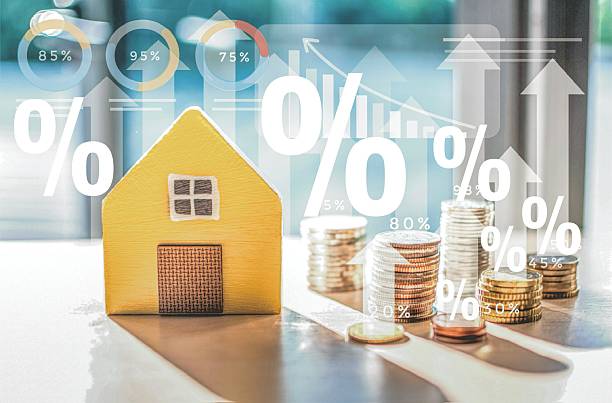
Here’s the thing about extra payments on your mortgage. Every extra dollar you put toward principal reduces the balance you owe. And because interest is calculated on that balance, a smaller balance means less interest charged over time. It’s like pulling a weed out by the root instead of just chopping off the leaves. A single tax refund of a thousand or two thousand dollars might not look huge in the moment, but over the remaining life of a thirty-year loan, that one payment can save you thousands in interest and knock months off your payoff schedule. Lenders don’t advertise this, but the math works hard on your side when you pay extra early in the loan. That’s because interest is front-loaded. Most of your early payments go toward interest, not principal. So any extra principal payment you make in those early years packs a much bigger punch than the same amount paid ten years down the road.
Now, before you go online and make that payment, take a few minutes to call your lender or log into your account. Make sure that extra money goes directly to the principal balance, not to your escrow account or toward next month’s payment. Some lenders will automatically apply extra payments to future installments unless you specifically tell them otherwise. You don’t want that. You want the full amount applied to the principal today. Tell them clearly, or use the “additional principal” option if your online portal has one. A short phone call can save you a lot of confusion later.
Should you use every single windfall this way? Not necessarily. Financial experts often say you should have a basic emergency fund first. If you don’t have at least a thousand dollars set aside for a surprise car repair or medical bill, then some of your tax refund should go there. That’s not a compromise. It’s protection. The last thing you want is to put all your refund into your mortgage, then face a broken water heater next month and have to put the repair on a credit card at nineteen percent interest. That would undo any savings you got from paying down your mortgage early. So be sensible. If your emergency fund is healthy, go all in on the mortgage. If it’s not, split the refund, but still make a meaningful principal payment while you build up that buffer.
Another thing to think about is your interest rate. If your mortgage rate is very low, like below four percent, some people argue you could invest the refund and earn more over time. That’s true in theory, but it requires discipline, risk tolerance, and a long timeline. For most regular homeowners, paying down a mortgage gives a guaranteed return that feels good and reduces your monthly stress. There is no market crash that will make your principal payment worthless. And once you own your home outright, your monthly budget changes dramatically. No more mortgage payment. That security is worth something you can’t measure in a spreadsheet.
The best way to handle a tax refund for mortgage paydown is to make the payment as soon as you can. Don’t wait for some special date. The sooner you reduce the principal, the sooner interest stops compounding on that amount. You don’t need a grand plan or a fancy calculator. Just send the money in and mark it as principal. Then go about your year. When your next refund comes around, do it again. Over time, you’ll start to see your mortgage balance drop faster than you expected. That progress is motivating. It turns a boring tax refund into a powerful tool for your financial freedom.
So don’t blow your refund on a new television or a weekend trip. Those things feel nice for a moment. But a mortgage paydown gives you something that lasts: lower interest costs, a shorter loan term, and a clear path to owning your home free and clear. That’s the no-nonsense truth. Use your refund like a financial weapon, not a lottery ticket. Your future self will thank you.