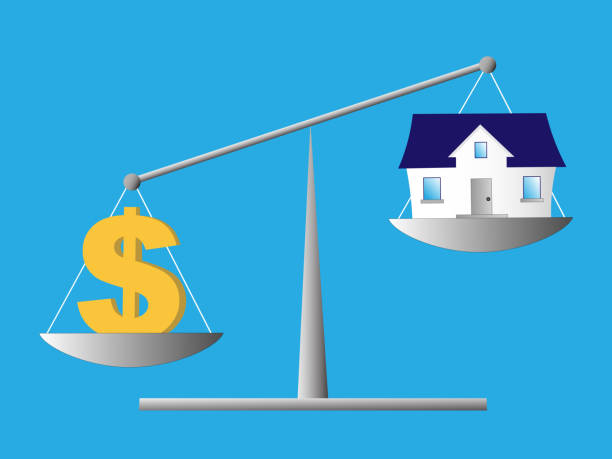
 Determining a property’s value is a nuanced process that blends objective data analysis with professional judgment, all conducted within a strict ethical and regulatory framework. An appraiser’s primary goal is to arrive at an unbiased, well-supported opinion of market value—defined as the most probable price a property would sell for in a competitive and open market. This conclusion is not a simple matter of opinion but is derived through a systematic methodology that typically involves three core approaches: the sales comparison approach, the cost approach, and the income approach. The appraiser’s skill lies in selecting, weighting, and reconciling the data from these methods to reflect what a typical buyer would consider for a specific property.The most common and influential method for residential properties is the sales comparison approach. This process is rooted in the principle of substitution, which holds that a rational buyer would not pay more for a property than the cost of acquiring a similar, substitute property. The appraiser begins by researching recent sales of comparable properties, ideally sold within the last six months and located within the same neighborhood or market area. These “comps” are then adjusted for differences that affect value. Key factors for adjustment include the property’s size, age, condition, quality of construction, and notable features like a renovated kitchen or an additional bathroom. The appraiser also considers the sale’s terms and conditions, such as whether it was an arm’s-length transaction. By analyzing these adjusted sale prices, the appraiser establishes a value range that reflects current market activity and buyer behavior.For unique properties, new constructions, or when comparable sales are scarce, the cost approach provides a vital perspective. This method answers the question: what would it cost to replace this property with one of equivalent utility? The appraiser first estimates the current value of the land as if it were vacant, often using the sales comparison approach for land parcels. Then, they calculate the cost to construct the building anew at current material and labor rates, accounting for depreciation. Depreciation encompasses all forms of value loss, including physical wear and tear, functional obsolescence (like an outdated floor plan), and external economic factors (such as proximity to a nuisance). The sum of the land value and the depreciated cost of the improvements offers an indication of value, particularly useful for insurance purposes or special-use properties.When appraising income-producing properties like apartment buildings, offices, or retail spaces, the income approach is paramount. This method views property through the lens of an investor, valuing it based on its ability to generate future financial benefits. The appraiser analyzes the property’s potential gross income, subtracts estimated vacancy losses and operating expenses to determine the net operating income. This net income figure is then capitalized—converted into a present value—using a market-derived capitalization rate that reflects the return an investor would expect for a property of that risk and type. The resulting value reflects what an investor would be willing to pay for that income stream, making this approach critical for commercial real estate.Ultimately, the appraiser does not simply average the results from these three approaches. Instead, they engage in a final step known as reconciliation. Here, the appraiser weighs the relevance and reliability of each approach for the specific assignment. For a standard single-family home, the sales comparison approach will be given the most weight. For a church or school, the cost approach may be most applicable. The appraiser synthesizes this analysis, along with their observations of current market trends, supply and demand, and the property’s highest and best use, to arrive at a single, definitive opinion of value. This final estimate, documented in a comprehensive report, is not a guarantee of sale price but a professionally reasoned conclusion that provides the essential foundation for mortgages, sales, estate planning, and informed decision-making in the complex world of real estate.
A HELOC is ideal for ongoing or unpredictable expenses, such as funding a multi-stage home renovation, covering recurring educational costs, or acting as a financial safety net. You only pay interest on the amount you actually draw, not the entire credit line.
Even in a new home, you will likely have immediate costs. These often include changing all locks for security, deep cleaning, purchasing new tools (lawnmower, ladder, snow blower), and potentially addressing minor issues identified in the home inspection that weren’t covered by the seller.
Some closing costs are negotiable. You can often shop for services like the home inspection, title search, and homeowners insurance. You can also sometimes negotiate with the seller to pay a portion of the closing costs.
For a fixed-rate mortgage, the APR is locked in at closing and will not change. For an Adjustable-Rate Mortgage (ARM), the initial APR is fixed for a set period, but after that, it can fluctuate based on the index and margin outlined in your loan agreement.
If you haven’t received a response within one business day, please follow up with a second email or phone call. You can also contact our general office line, and our administrative team will ensure your message is promptly delivered to the right person. We appreciate your diligence in helping us maintain our high service standards.