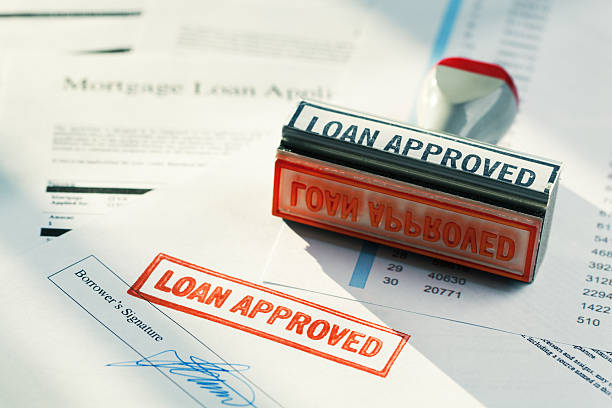
The journey from mortgage application to closing table is rarely a straight line. For many borrowers, a crucial and often misunderstood part of this p...
Read More
Embarking on the journey to homeownership is an exciting venture, but it can also feel overwhelming. Amidst the excitement of browsing online listings...
Read More
Submitting a formal loan application is the pivotal moment in the homebuying journey where hopeful pre-qualification transforms into a concrete financ...
Read More
The journey to homeownership is an exciting one, but it often begins with a process that can seem complex: the mortgage application. Understanding the...
Read More
Understanding how a loan officer is compensated is a crucial, yet often overlooked, part of the mortgage journey. Many borrowers focus solely on inter...
Read More
Securing a mortgage is one of the most significant financial journeys a person can undertake, and the relationship with your lender sits at the heart ...
Read MoreA mortgage broker shop typically charges the borrower an “origination fee” (e.g., 1% of the loan amount). The broker then uses this fee, along with the revenue from the wholesale lender, to pay their business expenses and the loan officer’s commission. The LO’s BPS is a portion of this total revenue.
Title insurance is a policy that protects lenders and homeowners from financial loss due to defects in the property title that were not found during the title search. Unlike other insurance that covers future events, title insurance protects against past, unknown issues. There are two main types: Lender’s Title Insurance (required) and Owner’s Title Insurance (highly recommended).
A HELOC poses a greater risk if interest rates rise because of its variable rate. Your monthly payment could become significantly higher over time. A Home Equity Loan’s fixed rate provides protection against future interest rate hikes, ensuring your payment never changes.
Your loan officer will receive a formal list of conditions from the underwriter and will contact you immediately, typically via email or phone. They will explain each item clearly and tell you exactly what is needed and how to provide it.
While specific requirements vary by lender and loan type, a FICO score of 620 is typically the minimum for a conventional loan. For the best interest rates, you’ll generally need a score of 740 or higher. Government-backed loans like FHA may accept scores as low as 580 with a larger down payment.