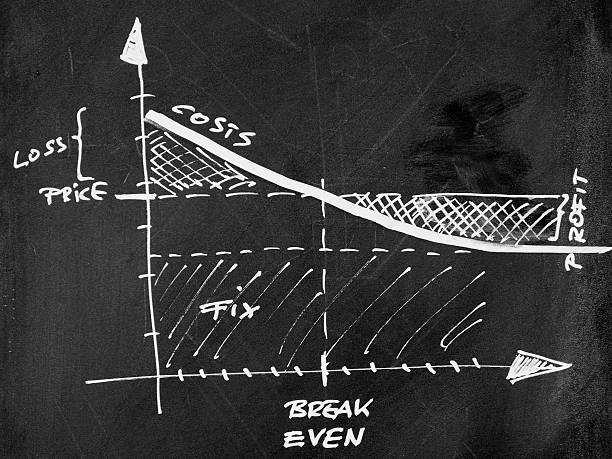
 Refinancing your mortgage sounds like a smart move every time interest rates drop. But jumping into a new loan without doing the math can cost you money instead of saving it. The key number you need to understand is called the break-even point. That is the moment when the money you save each month by refinancing finally adds up to cover the upfront costs of getting the new loan. After you cross that point, every dollar you save is real profit. Before you cross it, you are actually behind.Think of refinancing like buying a new pair of shoes that cost two hundred dollars. If those shoes save you fifty dollars every month on bus fare because you can walk to work, it takes four months to make your money back. After four months, you are truly saving. If you stop walking after three months, you wasted fifty dollars. Mortgage refinancing works the same way.The biggest mistake homeowners make is only looking at the lower monthly payment. A lower payment feels good, but it does not tell you the full story. Lenders charge closing costs to set up a new mortgage. Those costs can include an application fee, an appraisal fee, title insurance, attorney fees, and sometimes points you pay to lower your rate. Altogether, those fees often range from two thousand to six thousand dollars or more, depending on your loan amount and where you live. You might even roll those fees into the new loan balance so you do not have to write a check today. But that just means you are borrowing more money, and you still have to pay it back with interest over time.To figure out your break-even point, take the total closing costs and divide them by your monthly savings. For example, suppose your closing costs are four thousand dollars. Your new mortgage payment is one hundred fifty dollars lower than your old payment every month. Divide four thousand by one hundred fifty. That gives you about twenty-seven months. So it will take a little over two years before you start actually saving money. If you plan to move or sell your house before that time, refinancing does not make sense. You will have paid the costs but never enjoyed the savings.Another factor is how long you plan to stay in your home. If you know you will be there for five or ten years, refinancing almost always pays off once you pass the break-even point. But if you might move in two years because of a job change or family reasons, it is better to keep your current loan. Even a very small rate drop can look tempting, but the break-even math will tell you the truth.Interest rates also matter a lot. A half-percentage point drop might save you only fifty or sixty dollars per month on a typical loan. That means your break-even point could be five or six years out. A full percentage point drop could save you more than one hundred fifty dollars per month, cutting your break-even time in half. Always compare the actual rate you qualify for today against your current rate. Do not guess. Get a loan estimate from a lender that lists all the fees upfront.There is another hidden danger. When you refinance, you restart the clock on your loan term. If you have been paying your current mortgage for ten years and refinance into a new thirty-year loan, you are adding ten more years of payments. That means you pay more total interest over the life of the loan, even if your monthly payment is lower. To avoid this trap, consider refinancing into a shorter term, like a fifteen-year or twenty-year mortgage. Your monthly payment might not drop much, but you will pay off your house much faster and save tens of thousands in interest. The break-even point for closing costs still applies, but the long-term benefit can be huge.Your credit score also plays a role. A higher score gets you a lower rate. If your score has improved since you bought your house, refinancing might be even more attractive. On the flip side, if your score dropped, you might not get a good enough rate to make the math work. Check your score before you apply.Finally, do not forget about private mortgage insurance or PMI. If your home value increased significantly and you now have more than twenty percent equity, refinancing might let you drop PMI. That alone can save you one hundred dollars or more per month. That savings counts just like a rate drop when you calculate your break-even point.The smartest approach is to run the numbers yourself. You can find free online calculators that ask for your current loan balance, rate, remaining term, new rate, and closing costs. They will tell you your monthly savings and your break-even month. Be honest about how long you expect to stay in your home. If the break-even point is less than that time, refinancing is a good idea. If it is longer, you are better off keeping your current mortgage and making extra payments instead.In short, refinancing is not about chasing the lowest rate. It is about making sure the upfront costs are worth the long-term savings. When you understand the break-even point, you stop guessing and start knowing. That knowledge lets you make a calm, clear decision that puts more money in your pocket over the years you live in your home.
APR allows you to compare loans from different lenders on a like-for-like basis. Because it includes both interest and fees, a loan with a slightly higher interest rate but lower fees could have a lower APR, making it the less expensive option overall.
Lenders use two key metrics to determine your borrowing capacity: your Debt-to-Income ratio (DTI) and your Loan-to-Value ratio (LTV). Your DTI compares your total monthly debt payments to your gross monthly income, and most lenders prefer a DTI below 43%. The LTV ratio compares the loan amount to the appraised value of the home.
The process is generally simple:
1. Check Eligibility: Contact your lender to confirm they offer recasts and that your loan type qualifies (e.g., conventional loans often do; FHA/VA may not).
2. Make a Lump-Sum Payment: You must make a significant principal payment, which often has a minimum requirement (e.g., $5,000 or more).
3. Submit a Request & Pay Fee: Formally request the recast from your loan servicer and pay the associated processing fee.
4. Lender Re-amortizes: Your lender applies the payment and creates a new amortization schedule based on the lower principal.
5. Confirmation: You will receive confirmation of your new, lower monthly payment and the date it takes effect.
We strive to respond to all emails and phone calls within one business day. For urgent matters, we will make every effort to respond within a few hours. If your Loan Officer is unavailable, a dedicated team member will be able to assist you to ensure your questions are answered promptly.
Most loan officers are compensated through a commission-based structure, which is a combination of a base salary (though not always) and variable pay based on the volume and/or profitability of the loans they close.