If you own a home and have built up equity, you might be thinking about using a second mortgage to pay off your other debts. This is called debt consolidation, and it can be a smart move for some people. But it is not right for everyone. The basic idea is simple. You take out a new loan that uses your home as collateral, just like your first mortgage does. You then use that money to pay off credit cards, car loans, medical bills, or any other high-interest debt you have. After that, you only have one monthly payment to worry about, and it goes to your second mortgage lender.
The biggest reason homeowners choose this route is the lower interest rate. Credit cards often charge fifteen percent or more in interest. Even personal loans can run ten to twenty percent. A second mortgage, on the other hand, usually has a much lower rate because the lender has the security of your home. If your credit score is decent, you might lock in a rate that is half of what you are paying on your credit cards. That means more of your monthly payment goes toward the actual debt instead of just covering interest charges. Over time, this can save you a lot of money.
Another benefit is the simplicity of one payment. Juggling multiple due dates every month is stressful. You have to remember different amounts, different rates, and different minimums. If you miss one, late fees pile up and your credit score takes a hit. With a second mortgage, you make a single payment each month. That makes budgeting easier and reduces the chance of forgetting something. Plus, the payment is usually fixed, meaning it stays the same for the entire loan term. No surprises.
Consolidating with a second mortgage can also help you pay off your debt faster. Because the interest rate is lower, a larger chunk of your payment actually reduces the principal. If you keep making the same total payment you were making before, you can get out of debt sooner. Some people even choose a shorter loan term, like ten or fifteen years, to force themselves to pay off the debt quickly.
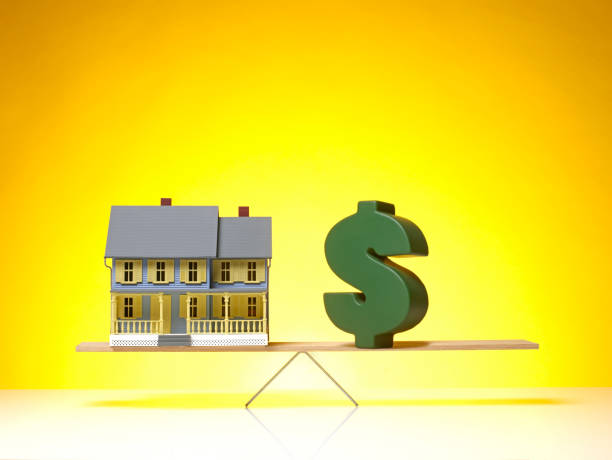
But there are serious downsides you need to understand before you sign anything. The biggest one is that you are putting your home on the line. When you use a second mortgage to consolidate debt, you are trading unsecured debt for secured debt. Credit card companies cannot take your house if you stop paying. But a second mortgage lender can. If you fall behind on the payments, you could face foreclosure. That is a risk you need to take very seriously.
Another downside is the cost of getting the loan. A second mortgage is not free. You will likely have to pay closing costs, which can include an appraisal fee, title search, origination fee, and other charges. These costs can add up to a few thousand dollars. Some lenders offer no-closing-cost loans, but those usually come with a higher interest rate. Either way, you are paying something to get the money. You need to figure out whether the savings from the lower rate will cover those upfront costs over the time you plan to keep the loan.
There is also the problem of extending the time you are in debt. Credit cards and personal loans are usually paid off in a few years. A second mortgage might have a term of fifteen or thirty years. If you take a long term, you could end up paying interest for much longer, even at a lower rate. Yes, your monthly payment will be smaller, but you might end up paying more in total interest over the life of the loan. You need to run the numbers for your specific situation.
Another thing to watch out for is the temptation to run up new debt. After you pay off your credit cards with the second mortgage, those cards still have open credit limits. Some people feel relieved and then start charging again. Before they know it, they have new credit card debt on top of the second mortgage payment. That can quickly lead to serious financial trouble. Consolidation only works if you also change your spending habits.
Finally, your credit score can take a temporary hit when you apply for a second mortgage. The lender will do a hard inquiry, which usually drops your score by a few points. Also, if you close your credit card accounts after paying them off, you reduce your available credit, which can also lower your score. Over time, the benefits of paying down debt usually outweigh these short-term effects, but it is something to keep in mind.
For many homeowners, a second mortgage for debt consolidation can be a useful tool. It can lower your monthly payments, reduce your interest rate, and simplify your finances. But it comes with real risks, especially the risk of losing your home. Before you decide, take a hard look at your budget, your spending habits, and your ability to make the new payment every month. Shop around for the best terms and compare the total cost of the loan with what you are paying now. If you are unsure, talk to a counselor from a nonprofit credit counseling service. They can help you look at all your options without pushing you into a loan.