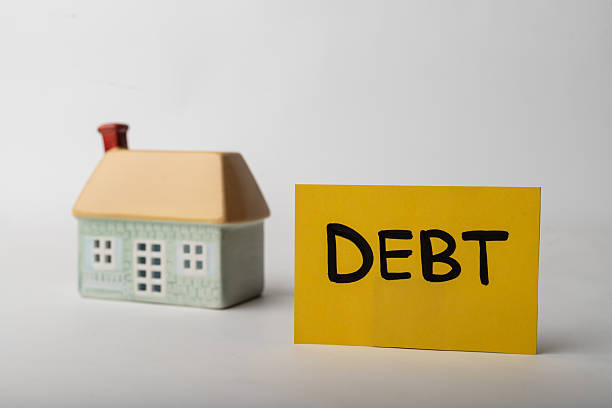
 If you are a homeowner with a pile of high-interest credit card bills, personal loans, or medical expenses, you have probably heard about using a second mortgage to roll everything into one lower monthly payment. This is called debt consolidation, and it can feel like a lifeline. But before you sign on the dotted line, it helps to understand both the good and the bad sides. A second mortgage is a separate loan that uses the equity in your home as collateral. Equity is the part of your home you actually own, meaning the current market value minus what you still owe on your first mortgage. Lenders let you borrow against that equity, often at a much lower interest rate than credit cards charge. The trade-off is that your home is on the line if you cannot make the payments.One big advantage of using a second mortgage for debt consolidation is the potential to save money on interest. Credit cards commonly charge fifteen to twenty-five percent interest or more. A second mortgage, especially a fixed-rate home equity loan, might have an interest rate in the single digits or low teens, depending on your credit and the market. That difference can add up to thousands of dollars in savings over a few years. Instead of sending money to several different creditors each month with high minimum payments, you make one payment on your second mortgage. This can simplify your budget and help you avoid late fees and missed due dates.Another plus is that the interest you pay on a second mortgage may be tax deductible if you use the loan to buy, build, or substantially improve your home. For debt consolidation, the tax benefit usually does not apply because the money is not going into home improvements. You should talk to a tax professional to be sure, but for most homeowners, using a second mortgage to pay off credit card debt does not lower your taxes. Still, the lower interest rate alone can make the switch worthwhile.There are also risks that every homeowner needs to consider. The biggest one is that a second mortgage is secured by your home. If you fall behind on payments for any reason, the lender can start foreclosure proceedings. That means you could lose your house. Credit card debt is unsecured, so if you stop paying, the worst that typically happens is damage to your credit score and lawsuits for the money owed. With a second mortgage, the stakes are much higher. You are trading unsecured debt for secured debt, and that is a serious decision.Another risk is that a second mortgage adds a new monthly obligation on top of your existing first mortgage. If you already have a tight budget, the extra payment could stretch you thin. Some people take out a home equity line of credit, or HELOC, which works more like a credit card with a variable rate. That can be risky if interest rates rise, because your payment could go up over time. A fixed-rate home equity loan gives you predictable payments, but it still requires that you have enough income to cover both mortgages during the life of the loan.Debt consolidation also only works if you change the habits that got you into debt in the first place. If you use a second mortgage to pay off credit cards, then run up the cards again, you end up with two debts instead of one. You will still owe the second mortgage, and now you have new credit card balances to pay. This double debt trap is common and can lead to financial trouble much worse than before. So it is crucial to have a plan to stop using credit cards and stick to a spending budget.Another downside is the closing costs. Getting a second mortgage is not free. You may pay appraisal fees, origination fees, title insurance, and other charges. These costs can be two to five percent of the loan amount. If you are borrowing twenty thousand dollars, that could be four hundred to one thousand dollars in fees. You need to decide whether the savings in interest are enough to cover those upfront costs over the time you plan to keep the loan. Sometimes it makes sense, but if you only plan to stay in the home for a couple of years, the fees may eat up any benefit.There is also a bigger picture to think about. A second mortgage reduces the equity you have in your home. That equity is often your largest financial cushion for emergencies or retirement. Using it to pay off smaller debts might feel good now, but it leaves you with less protection down the road. If you need to sell your home later, you will have less profit after paying off both mortgages. And if property values drop, you could end up owing more than your home is worth, which is called being underwater. That makes it hard to sell or refinance.For homeowners who are disciplined about spending and who have steady income, a second mortgage can be a smart tool to get out of high-interest debt faster. The key is to compare the total cost of the second mortgage against the total cost of keeping your current debts. Look at the interest rates, fees, and the time it will take to pay off the loan. Also, think about how secure your job and family finances are. If you have any doubt about making payments, it may be safer to explore other options like a debt management plan through a nonprofit credit counselor or a personal loan from a bank that does not require your home as collateral.In summary, using a second mortgage to consolidate debt can lower your interest rate and simplify your payments, but it puts your home at risk and requires a commitment to stay out of new debt. Weigh the pros and cons carefully, and do not rush into a decision. Talking to a financial advisor or a housing counselor can help you see the full picture. Your home is likely your biggest asset, so any loan that ties it to your day-to-day spending deserves extra caution.
Do NOT cancel your automatic payments with your old servicer immediately. Your final payment to the old servicer should cover the month leading up to the transfer date. You must set up a new automatic payment (or one-time payment) with the new servicer for all payments due after the transfer effective date.
To ensure a smooth process, you should avoid:
Making large purchases on credit (especially for cars or furniture).
Opening new lines of credit or credit cards.
Changing jobs or becoming self-employed.
Making large, undocumented deposits into your bank accounts.
Missing payments on existing bills.
Eligibility depends on your specific circumstances and type of loan. Generally, you may be eligible if you have experienced a financial hardship such as job loss, a reduction in income, a medical emergency, or a natural disaster. Borrowers with government-backed loans (like FHA, VA, or USDA loans) often have specific forbearance programs available.
Thoroughly shop for lenders before making an offer. Compare detailed Loan Estimates from at least 3-4 lenders. Check online reviews and ask your real estate agent for recommendations of reliable, communicative lenders with a proven track record of closing on time.
You should do a light review of your budget every month when you pay bills. Conduct a more thorough review at least once a year, or whenever you experience a major life change (e.g., job change, new family member) or a significant change in housing costs (e.g., property tax increase, insurance renewal).