
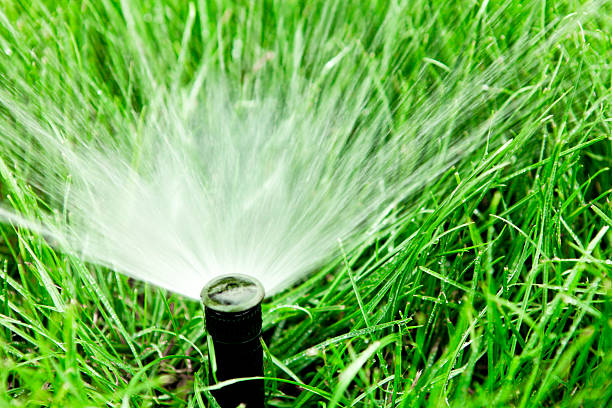
 Many new homeowners dream of a lush, green lawn without the hassle of dragging a hose around every evening. An automatic sprinkler system seems like the perfect solution. It waters your yard on a schedule, saves you time, and keeps your grass looking great. But before you call a contractor, you need to understand the full cost. The price tag on the installation is just the beginning. There are ongoing expenses for water, repairs, winterization, and even potential damage to your property. If you are not ready for these costs, that beautiful sprinkler system could become a financial headache.Let us start with the upfront installation. The cost depends on the size of your yard, the type of system, and your local climate. For a typical quarter-acre suburban lot, a basic underground system can run anywhere from two thousand to five thousand dollars. That price includes the pipes, valves, sprinkler heads, a controller, and labor. If your yard has complicated slopes, rocky soil, or lots of flower beds, the price goes up. You may also need a separate water meter if your local water utility charges higher rates for outdoor use. That can add another few hundred dollars. Some homeowners choose a drip irrigation system for gardens and shrubs, which is cheaper to install but still costs several hundred dollars per zone. Do not forget that you might need a permit from your city, which can cost fifty to two hundred dollars. And if you hire a licensed contractor, you are paying for their insurance and warranty, which is worth it but adds to the total.Once the system is in the ground, the biggest ongoing cost is water. Many people assume sprinklers save water compared to a hose, but that is only true if you water efficiently. A standard sprinkler system can use ten to fifteen gallons per minute per zone. If you run each zone for twenty minutes, three times a week, you are looking at hundreds of gallons per week. In the summer, that can double or triple your water bill. In some areas, water rates are tiered, meaning the more you use, the more you pay per gallon. A lawn that looks great might cost you an extra fifty to one hundred fifty dollars a month during the growing season. And if you live in a drought-prone region, there may be restrictions that limit your watering days, but your system still needs to be adjusted, which costs time or a service call.Maintenance is another hidden cost. Sprinkler heads get clogged with dirt, broken by lawn mowers, or knocked out of alignment by foot traffic. A single replacement head costs ten to thirty dollars, plus your time to dig it up and replace it. Valves can fail, especially if the water has minerals that build up inside. Replacing a valve can run one hundred to two hundred dollars, including parts and labor. The controller, the little box that tells the system when to water, is electronic and can malfunction. A new controller costs one hundred to three hundred dollars. You should also flush the system at the start of every season and check for leaks. If you do not want to do that yourself, a professional spring start-up service costs around fifty to one hundred dollars.Winter is a big expense if you live where it freezes. Water left in the pipes will expand and crack them. That is why you need to winterize the system by blowing out the water with compressed air. You can rent an air compressor and do it yourself, but that requires know-how and a strong compressor. Most people hire a pro for this. Winterization costs about fifty to one hundred fifty dollars, depending on the number of zones. If you skip it and a pipe bursts, repairs can easily cost five hundred to two thousand dollars, because the contractor has to dig up the broken pipe, replace it, and patch your lawn.There are also indirect costs. An underground sprinkler system requires you to know exactly where the pipes and heads are buried. When you plant new trees, install a fence, or do any digging, you risk hitting a pipe. Repairing a cut pipe is not cheap. Also, if a sprinkler head gets misaligned and sprays your house’s foundation or siding, it can cause water damage over time. That means more repairs. Some insurance policies do not cover damage from sprinkler leaks, so you may need to pay out of pocket.Finally, think about the value of your time. Even an automatic system needs monitoring. You have to check for broken heads, adjust the schedule when the weather changes, and manually override it during rain. It is not completely hands-off. And if you travel, you might need a neighbor to watch for problems.So before you install an automatic sprinkler system, add up all these costs. The initial installation is just the down payment. The real price includes higher water bills, yearly maintenance, winterization, and unexpected repairs. For some homeowners, a well-placed hose and a timer might be a smarter financial choice. For others, the convenience is worth the expense. Just go in with your eyes open. Know that a green lawn comes with a price tag that keeps on coming.
If you sell your house, the proceeds from the sale must be used to pay off your primary mortgage first, then your Home Equity Loan or HELOC balance. Any remaining funds belong to you. If the sale price doesn’t cover the debts, you may face a short sale or foreclosure.
Refinancing can alter your debt load by changing your interest rate, loan term, or principal balance. A lower rate reduces total interest costs. A shorter term accelerates payoff but increases monthly payments. A cash-out refinance increases your principal, thereby increasing your total debt.
Conforming loan limits are the maximum loan amounts set by the Federal Housing Finance Agency (FHFA) for mortgages that Fannie Mae and Freddie Mac can purchase. These limits are adjusted annually and are based on changes in the average U.S. home price. Most of the country has a baseline limit, but “high-cost areas” where 115% of the local median home value exceeds the baseline limit have higher ceilings.
A HELOC is ideal for ongoing or unpredictable expenses, such as funding a multi-stage home renovation, covering recurring educational costs, or acting as a financial safety net. You only pay interest on the amount you actually draw, not the entire credit line.
It may not be the best choice if current interest rates are significantly higher than your existing rate, if you cannot afford the new monthly payment, if you plan to sell your home in the near future (making it hard to recoup the closing costs), or if you are using the cash for discretionary spending rather than a sound financial goal.