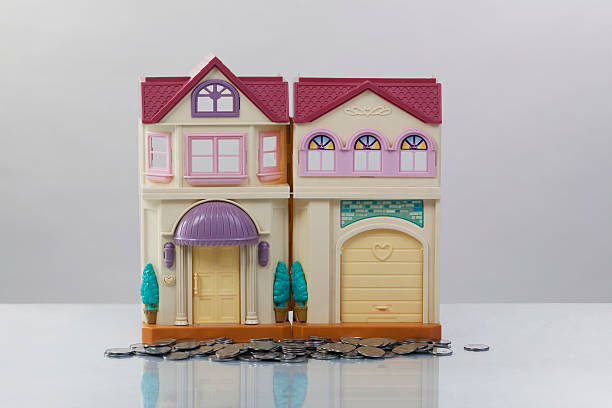
 When you buy a home, you are not just buying the house itself. You are also buying the land it sits on. For many homeowners, that land comes with a lawn. And while a green, well-kept lawn looks great in real estate photos, the reality of keeping it that way can be a steady drain on your wallet. If you are a first-time homeowner, you might not realize how much time and money goes into grass, plants, and outdoor space. This essay will walk you through the common costs of landscaping a new home, especially the part that surprises most people: maintaining a lawn.Let’s start with the upfront cost. If you buy a new construction home, the builder often leaves you with bare dirt and maybe a sad little patch of sod. That sod is usually the cheapest kind, and it may not survive the first summer. Replacing it or planting grass seed properly can cost anywhere from a few hundred to a few thousand dollars, depending on the size of your yard. Then you have the soil. Good soil rarely comes with the house. You might need to bring in topsoil, compost, or fertilizer just to get things growing. A simple bag of lawn fertilizer from the hardware store runs about twenty to thirty dollars, but a full season’s supply for a decent-sized yard can easily be two hundred dollars or more.After you have grass, you need water. In many parts of the country, watering a lawn during the hot months is not optional if you want it to stay green. Your water bill can double or even triple in the summer. A typical in-ground sprinkler system installation can set you back two thousand to five thousand dollars. Even a simple hose and sprinkler setup adds to your monthly bills. And if you live in a drought-prone area, you might face restrictions or fines for overwatering. Some homeowners try to cut costs by letting the lawn go brown in the summer, but that can lead to dead patches that require reseeding or re-sodding the next spring.Next comes the machinery. Lawnmowers, trimmers, blowers, and edgers are not cheap. A decent push mower starts at around three hundred dollars. A self-propelled or riding mower can be one to three thousand. You also need fuel or electricity, oil changes, blade sharpening, and storage. If you do not want to buy equipment, you can hire a lawn service. That usually costs between thirty and sixty dollars per visit, and most lawns need mowing every week or every other week during growing season. Over a six-month growing season, that adds up to about five hundred to fifteen hundred dollars per year.Then there are the extras: trees, shrubs, flowers, mulch, and decorative rocks. Landscaping the front yard to look presentable can easily cost a thousand to five thousand dollars for plants alone. Mulch needs to be replaced every year to keep it looking fresh, and a single bag of mulch costs three to five dollars. You might need twenty or thirty bags. Flower beds require annuals that die each winter, so you buy new ones every spring. Perennials come back, but they also need dividing, fertilizing, and sometimes replacing after a few years. Trees can be expensive. A small sapling might cost fifty dollars, but a mature tree that provides instant shade can be five hundred to a thousand dollars or more. And trees need pruning, which is not a DIY job for most people. Hiring an arborist for a single large tree can cost two hundred to six hundred dollars.Pest control is another hidden cost. Grubs, chinch bugs, and fungus can ruin a lawn. Preventing and treating these issues requires chemical sprays or organic alternatives, both of which cost money. A simple bag of weed killer or insecticide might be twenty dollars, but if you have a serious infestation, you might need a professional treatment that costs several hundred dollars. Weeds themselves are a constant battle. Pre-emergent weed control applied in spring and fall can cost fifty to one hundred dollars per application. And if you ignore the weeds, your lawn will look ragged, which can affect your home’s curb appeal if you ever want to sell.Let’s not forget the tools: shovels, rakes, hoes, pruners, garden hoses, nozzles, gloves, and wheelbarrows. Each of these items individually is not expensive, but the collection adds up. A decent wheelbarrow is about one hundred dollars. A quality hose that does not crack in the sun is forty to sixty dollars. A good pair of gardening gloves is fifteen dollars. Before you know it, you have spent three hundred to five hundred dollars on basic tools.Then there is the time. Time is a cost that many new homeowners overlook. Mowing, trimming, weeding, watering, and fertilizing take hours every week during the growing season. If you value your free time, that is a real cost. Some homeowners decide to rip out the lawn entirely and replace it with low-maintenance ground cover, rocks, or artificial turf. That can be a smart long-term move, but the upfront cost is significant. Artificial turf installation runs ten to twenty dollars per square foot, so a thousand-square-foot lawn could cost ten to twenty thousand dollars. Xeriscaping with native plants and rocks can be cheaper, but it still requires initial design and installation.The bottom line is that landscaping is not a one-time expense. It is a recurring cost that you will pay every year for as long as you own the home. Some people love gardening and consider it a hobby worth the money. Others see it as a chore they have to budget for. Either way, when you buy a house, you should set aside a few hundred to a few thousand dollars each year just for the yard. A beautiful lawn is possible, but it comes with a price tag that many homeowners do not see coming.
A gift from a family member is an acceptable source of down payment funds. To document it properly, you will need: A signed gift letter from the donor, stating their relationship to you, the gift amount, that it is not a loan, and the address of the property being purchased. Documentation showing the transfer of funds from the donor’s account to yours. The donor’s bank statement showing they had the funds available.
You’ll need to provide bank or investment account statements showing you have sufficient funds. Any large, recent deposits will need to be sourced with a paper trail (e.g., a copy of a bonus check, a gift letter if it’s a gift, or a sales contract from a sold asset).
Large Cash Requirement: The need to cover the equity gap in cash can be a major hurdle.
A “Subject-To” Trap: If the assumption is done “subject-to” the existing mortgage without lender approval, the original borrower may still be liable, and the lender could call the loan due.
Property Issues: The buyer inherits any liens or title issues associated with the property.
Slow Process: The assumption process can be slower than a traditional mortgage.
The Fed’s primary tool is its control over the Federal Funds Rate, which is the interest rate banks charge each other for overnight loans. While this is a short-term rate, it acts as a benchmark. Changes to this rate ripple through the entire financial system, influencing everything from savings account yields to bond yields, which directly affect long-term borrowing costs like mortgages.
If your rate lock expires before your loan closes, you will typically lose the locked rate. You will then be subject to the current market rates at the time of closing, which could be higher. In some cases, you may be able to pay a fee to extend the lock, but this is not guaranteed.