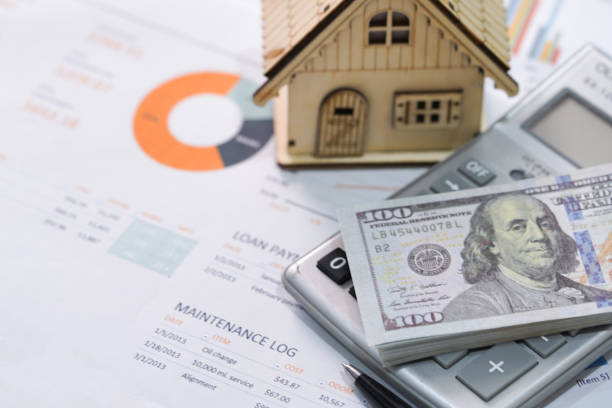
Once a year, put your mortgage on the kitchen table. Not literally, though that works too. Pull up your latest statement, your bank account, and a cup of coffee. You are going to look at where you are, where you thought you would be, and whether your paydown plan still makes sense. A mortgage is a long race, and a yearly checkup keeps you from running the wrong direction for twelve months.
Start with the basics. Find your current loan balance. Compare it to the balance from one year ago. If you have been making extra payments, that number should be lower than the original schedule. If it is not, find out why. Maybe an extra payment went to next month’s bill instead of principal. Maybe you paid a fee you forgot about. Maybe your payment changed because taxes or insurance went up. Knowing the real balance is step one. Without it, you are guessing.
Next, look at your monthly payment. How much goes to principal? How much goes to interest? How much goes to taxes and insurance? If you have an escrow account, your payment can change even when your loan rate does not. A tax increase or insurance hike can eat the extra money you meant for paydown. That is not a reason to panic. It is a reason to adjust. If your payment jumped, decide whether to keep your extra principal payment, lower it, or pause it until you catch up.
Then check your interest rate. Is it still the same? If rates have dropped since you bought or refinanced, run the numbers. A refinance can lower your payment or shorten your term. But do not refinance just because someone says rates are low. Add up the closing costs, the new loan amount, and how long you plan to stay in the home. If you will not break even before you sell, it may not be worth it. If the savings are real and you will be there long enough, it can be a smart move. Also ask whether a new loan resets your payoff clock. A lower payment over thirty more years can cost more in the long run.
Now look at your life. Did you get a raise? Did you lose a job? Did you have a baby, send a kid to college, or take on a car payment? Did your home need a new roof or furnace? Your mortgage plan has to fit your real budget, not the budget you had last year. If money is tight, do not feel guilty about pausing extra payments. Keeping the lights on and avoiding high-interest debt matters more. If you have more room, decide where the extra dollar does the most good. Paying down a credit card with a 24% rate usually beats paying down a 6% mortgage. Once the high-rate debt is gone, send more to the mortgage.
Also review your safety net. An extra mortgage payment feels good, but it can leave you cash poor. If your emergency fund would not cover three to six months of basic expenses, build that first. A mortgage paydown plan works best when it does not put you one surprise away from a credit card or a home equity loan. You can always make up extra payments later.
Check your other home costs too. Property taxes, homeowners insurance, flood insurance, and HOA dues can change. If your escrow is short, your lender may raise your payment. Call your lender and ask for a clear explanation. Ask what you can do to spread out the increase. Ask if private mortgage insurance can be removed if you have enough equity. These small moves can free up money for principal.
Finally, write down your decision for the next twelve months. Maybe you will keep paying the same extra amount. Maybe you will increase it by fifty dollars. Maybe you will pause and focus on savings. Maybe you will refinance. Whatever you choose, put it in your calendar. Review it again in a year. Your mortgage is not a set-it-and-forget-it bill. It is a plan that needs a yearly tune-up. A little time now can save thousands later and keep you in control of your biggest debt.