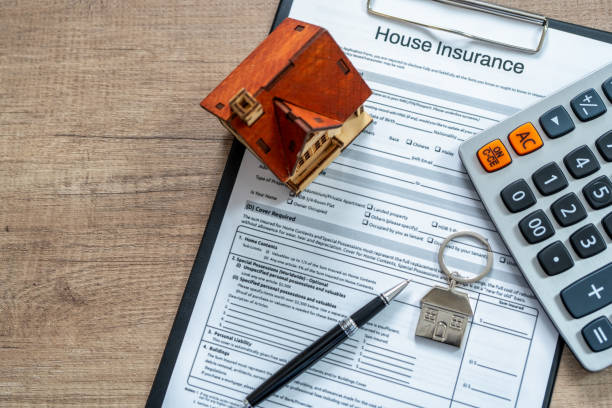
 For most individuals, purchasing a home is the largest financial investment they will ever make. This monumental step is typically facilitated by a mortgage loan, a process that introduces a critical requirement: homeowners insurance. At its core, homeowners insurance is a form of property insurance that provides financial protection against disasters and liabilities related to one’s home and the possessions within it. Its necessity for a mortgage, however, extends beyond simple prudence; it is a fundamental pillar of risk management mandated by lenders to safeguard their considerable financial interest in the property.A standard homeowners insurance policy is a multi-faceted contract designed to address several key areas of risk. Primarily, it offers coverage for the dwelling itself, providing funds to repair or rebuild the physical structure of the home if it is damaged by covered perils such as fire, windstorms, hail, lightning, or vandalism. Equally important is coverage for personal liability, which protects the homeowner if they are found legally responsible for injuries to others or damage to their property. Furthermore, policies typically include coverage for personal belongings, offering reimbursement for items like furniture, electronics, and clothing that are lost or damaged. Additional living expenses coverage is another crucial component, paying for temporary housing and meals if a covered event makes the home uninhabitable during repairs. These combined protections create a safety net that shields the homeowner from potentially catastrophic financial losses.The imperative to secure this insurance when obtaining a mortgage is not merely a suggestion but a universal requirement from lenders. This mandate is rooted in the fundamental nature of a mortgage transaction. When a bank or lending institution provides a loan, the home itself serves as collateral for that debt. The lender has a vested financial interest in the property maintaining its value until the loan is fully repaid. If a fire were to destroy an uninsured home, the collateral securing the loan would be severely diminished or obliterated. The homeowner might face financial ruin and be unable to continue mortgage payments, while the lender would be left with a worthless asset and a defaulted loan. Homeowners insurance directly mitigates this risk by ensuring that funds are available to restore the property’s value following a covered disaster, thereby preserving the lender’s collateral.This requirement is formalized during the closing process. Lenders will insist that a fully paid insurance policy is in place before the final mortgage documents are signed and funds are disbursed. Moreover, to guarantee continuous coverage, lenders often incorporate the insurance premiums into the borrower’s monthly mortgage payment, holding the funds in an escrow account from which the annual premium is paid directly. This system ensures the policy never lapses due to non-payment, providing constant protection for both the homeowner’s and the lender’s interests. Failure to maintain adequate insurance is a violation of the mortgage agreement, granting the lender the right to force-place a policy, which is often more expensive and offers less comprehensive coverage, at the borrower’s expense.Ultimately, while the immediate need for homeowners insurance is driven by the lender’s requirements, its profound value extends to the homeowner personally. A mortgage represents a decades-long commitment, and the home is the center of a family’s financial and emotional life. Insurance transforms this immense vulnerability into managed risk. It provides peace of mind, knowing that one’s investment, possessions, and financial future are protected against unforeseen calamities. Therefore, homeowners insurance is not just a box to check for a mortgage; it is an essential component of responsible homeownership. It fulfills a contractual obligation to the lender while simultaneously providing an indispensable layer of security for the homeowner, ensuring that the dream of homeownership is not undone by a single catastrophic event.
For a fixed-rate mortgage, the APR is locked in at closing and will not change. For an Adjustable-Rate Mortgage (ARM), the initial APR is fixed for a set period, but after that, it can fluctuate based on the index and margin outlined in your loan agreement.
The coverage of HOA fees varies by community, but they generally pay for:
Common Area Maintenance: Landscaping, lighting, and cleaning for parks, pools, clubhouses, and lobbies.
Amenities: Upkeep and insurance for pools, gyms, tennis courts, and security gates.
Utilities: Water and electricity for common areas, and sometimes trash collection for individual homes.
Insurance: Master liability and property insurance for all shared structures.
Reserve Fund: A savings account for major future repairs like repaving roads, replacing roofs on condos, or repainting exteriors.
Management Costs: Salaries for a property management company and HOA administration.
Be prepared to explain any significant gaps (typically 30 days or more) in writing. Valid reasons might include going back to school, having a child, a medical issue, or a temporary layoff. Providing documentation and showing that you are now stably re-employed is crucial.
Most lenders do not charge an upfront fee for a standard rate lock period (e.g., 30-60 days). However, if you need to extend the lock period because your closing is delayed, you will likely incur an extension fee. Longer lock periods (e.g., 90+ days) may also come with a higher initial cost or a slightly higher interest rate.
You should contact your loan officer immediately to discuss any discrepancies or information that seems incorrect. It is crucial to address errors early, as the Loan Estimate forms the basis for the final Closing Disclosure you’ll receive before settlement.