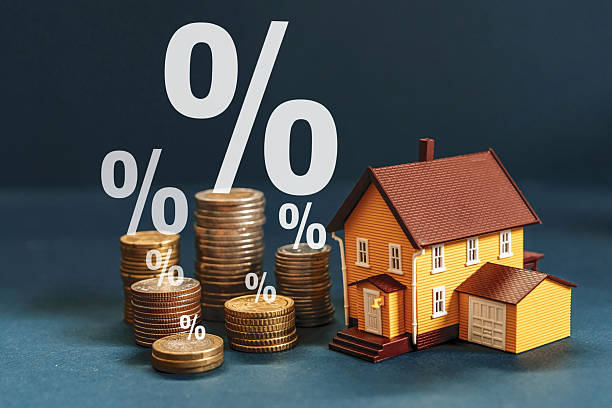
 Open market operations (OMOs) represent the primary and most frequently used mechanism through which a modern central bank implements its monetary policy. At its core, this process involves the deliberate buying and selling of government securities, such as treasury bonds and bills, in the open financial market. Conducted by the central bank’s trading desk, these transactions are not undertaken to generate profit but to achieve a crucial macroeconomic objective: influencing the level of reserves in the banking system and, by extension, steering short-term interest rates. This powerful tool allows institutions like the Federal Reserve in the United States or the European Central Bank to manage economic stability, control inflation, and foster conditions conducive to employment growth.The mechanics of open market operations function through a straightforward yet profound chain reaction. When a central bank decides to inject liquidity into the economy, it engages in an expansionary open market operation by purchasing government securities from commercial banks and other financial institutions. To pay for these securities, the central bank credits the reserves held by those commercial banks at the central bank. This immediate increase in bank reserves expands the amount of money available for lending. With more reserves sloshing around the system, the price of borrowing those reserves—the federal funds rate in the U.S., which is the interest rate banks charge each other for overnight loans—tends to fall. A lower federal funds rate typically filters through to other interest rates, making loans cheaper for businesses and consumers, which stimulates investment and spending, thereby promoting economic expansion.Conversely, when the economy shows signs of overheating and inflationary pressures are rising, the central bank will execute a contractionary open market operation. In this scenario, it sells government securities from its substantial portfolio to banks and investors. The purchasers pay for these securities by drawing down their reserve accounts at the central bank. This withdrawal of reserves from the banking system reduces the supply of money available for lending. As reserves become scarcer, the competition for them increases, pushing up the federal funds rate. Higher benchmark interest rates then raise the cost of borrowing across the economy, discouraging new loans and slowing down aggregate demand. This cooling effect helps to temper inflation and prevent the economy from growing at an unsustainable pace.The profound significance of open market operations lies in their precision, flexibility, and the direct control they afford the central bank. Unlike changing reserve requirements, which is a blunt and rarely used instrument, OMOs can be fine-tuned daily. Operations can be permanent, involving outright purchases or sales that permanently alter the balance sheet, or temporary, using repurchase agreements (repos) and reverse repos to add or drain reserves for a set period. This allows policymakers to make routine adjustments to maintain their target interest rate or to respond nimbly to unexpected financial market disruptions, as witnessed during the 2008 financial crisis and the COVID-19 pandemic. By reliably targeting the key short-term rate, the central bank anchors the entire yield curve and shapes broader financial conditions.In essence, open market operations are the steady hand on the economic tiller. Through the seemingly technical act of buying and selling government bonds, central banks perform a vital public function. They adjust the cost and availability of money, striving to balance the dual mandate of price stability and maximum sustainable employment. While the public may be more familiar with interest rate announcements, it is the daily execution of open market operations that translates those policy decisions into reality, making this process the indispensable workhorse of modern monetary policy and a cornerstone of macroeconomic management in economies around the world.
To determine if you have enough equity, you first need to know your home’s current market value. You can get a rough estimate using online tools or, more accurately, through a professional appraisal. Then, subtract your remaining mortgage balance(s). Most lenders require you to retain at least 15-20% equity in your home after the new loan.
A fixed-rate mortgage provides predictable payments for the entire loan term, making long-term debt planning easier. An adjustable-rate mortgage (ARM) may start with lower payments, but if interest rates rise, your payments and total interest paid can increase significantly, potentially raising your overall debt load unexpectedly.
It’s crucial to know that APR often excludes:
Appraisal and home inspection fees
Title insurance and escrow fees
Prepaid items like property taxes and homeowner’s insurance
Credit report fees
Historically, jumbo loan rates were higher than conventional conforming rates, but this is not always the case today. Often, jumbo loan interest rates are very competitive and can sometimes be lower than conforming rates, depending on the lender, the borrower’s financial strength, and market conditions.
Reviews are just one piece of the puzzle. Also evaluate:
Loan Options & Rates: Do they offer the type of loan you need at a competitive rate?
Customer Service: Your direct experience when you call or email them.
Professional Credentials: Check for any disciplinary actions with state licensing boards or the Nationwide Multistate Licensing System (NMLS).
Loan Estimates: Compare the official, written Loan Estimates from your top lender choices side-by-side.