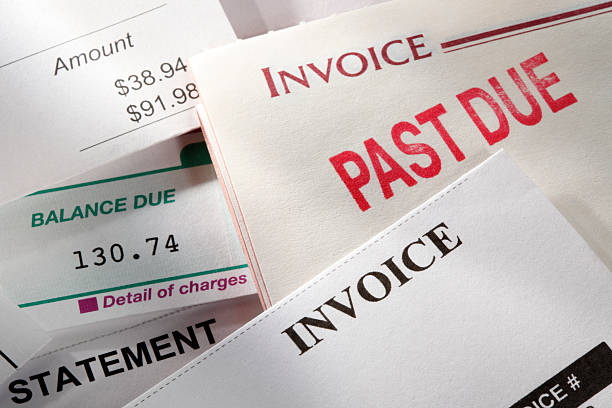
 For many homeowners, the monthly mortgage payment represents a single, predictable sum that comfortably combines principal, interest, and often, property taxes and homeowners insurance. This latter combination is managed through an escrow account, a crucial but sometimes misunderstood facet of homeownership. An escrow analysis is the formal, periodic review of this account to ensure it is properly funded to cover these impounded bills, serving as a vital financial checkup for both the lender and the borrower.To fully grasp the escrow analysis, one must first understand the escrow account itself. When a lender collects a portion of your property taxes and homeowners insurance premium with each monthly mortgage payment, they deposit those funds into a separate escrow account. The lender then uses this account to pay your tax and insurance bills when they come due, typically once or twice a year. This system protects the lender by ensuring these critical charges are paid, thereby preserving the property’s value, which serves as their collateral. Simultaneously, it benefits the homeowner by spreading these large, lump-sum expenses into more manageable monthly increments, preventing the shock of an unexpected annual bill.The escrow analysis is the mechanism that keeps this system in balance. Conducted annually by your loan servicer, this review is a meticulous examination of the past year’s account activity and a projection for the coming year. The servicer calculates the total anticipated disbursements for taxes and insurance over the next twelve months. They then compare this projected need to the current balance in the escrow account. The goal is to determine the precise monthly deposit required to ensure that sufficient funds are available to pay all bills on time, while also maintaining a legal cushion—often a two-month reserve—as a buffer against unexpected increases.The outcome of this analysis is communicated to the homeowner in a formal escrow analysis statement. This document is far from a mere formality; it is a detailed financial snapshot. It will show the starting balance, all payments made from the account, the current balance, and the new calculation for the upcoming year. Most importantly, it reveals whether the account has a shortage, a surplus, or is perfectly on track. A shortage occurs when the projected costs exceed the available funds, meaning the current monthly escrow payment is too low. Conversely, a surplus happens when the account holds more than the required minimum balance, indicating that the homeowner has overpaid.These findings directly impact the homeowner’s monthly mortgage payment. If a shortage is identified, the lender typically offers two options: pay the shortage in a single lump sum, or spread the amount over the next twelve months by increasing the monthly escrow payment. If a surplus exists above a certain threshold, the lender is required by law to refund the excess money to the homeowner, often by check. In either case, the monthly escrow portion of the mortgage payment will be recalculated and adjusted upward or downward accordingly for the next payment cycle. It is common for payments to increase, not necessarily due to lender error, but because property taxes or insurance premiums have risen, a reality reflected in the new analysis.Ultimately, an escrow analysis is a proactive and regulatory-mandated process of financial stewardship. While an increase in one’s monthly payment can be unwelcome news, the analysis provides transparency and prevents far more distressing scenarios, such as a lapse in insurance coverage or a tax lien on the property due to non-payment. By demystifying this annual review, homeowners can better anticipate changes to their housing costs, budget effectively, and understand the ongoing financial responsibilities of protecting their most significant investment. It transforms the escrow account from a black box into a clear, managed fund, ensuring that the roof over one’s head remains secure in every sense of the word.
This is a key consideration. With a 30-year mortgage, the lower payment frees up cash that you could potentially invest in the stock market or other ventures. If the rate of return on your investments is higher than your mortgage interest rate, this could be a more profitable long-term strategy. The 15-year mortgage is a guaranteed, risk-free return equal to your mortgage rate, but it ties up capital that could have been invested elsewhere.
You should do a light review of your budget every month when you pay bills. Conduct a more thorough review at least once a year, or whenever you experience a major life change (e.g., job change, new family member) or a significant change in housing costs (e.g., property tax increase, insurance renewal).
Discount points are an upfront fee you pay to the lender at closing to reduce your interest rate. Each point typically costs 1% of your loan amount and lowers your rate by a certain percentage (e.g., 0.25%). This is a form of “buying down” your rate and can be a good strategy if you plan to stay in the home long enough for the monthly savings to exceed the upfront cost.
The timeline depends on the complexity of the conditions and how quickly you can provide the documents. Simple document submissions can be reviewed in 24-48 hours. Conditions requiring third-party verifications (like a VOE - Verification of Employment) may take a few business days.
Yes, absolutely. Lenders consider HOA fees part of your total monthly housing expense when calculating your debt-to-income (DTI) ratio. High HOA fees can reduce the loan amount you qualify for or even prevent loan approval if your DTI ratio becomes too high.