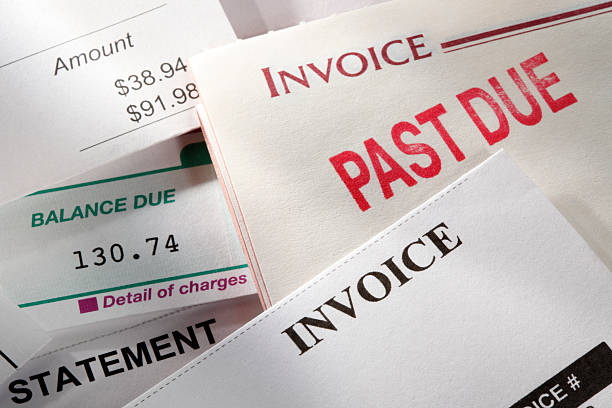
 Sending a payment to your old student loan servicer after your loan has been transferred to a new company is a common and understandable mistake. The process of transferring loans between servicers can be confusing, and old payment portals or autopay settings may still be active. If you find yourself in this situation, do not panic. While it requires attention, the error is correctable, and your money is not lost. Understanding the standard procedures and taking prompt action will help resolve the issue efficiently and protect your credit.Firstly, it is crucial to recognize that your payment was not made into a void. Federal student loan servicers operate under strict guidelines from the U.S. Department of Education, and private servicers also have protocols for handling misdirected funds. When a loan is transferred, the old servicer retains your account information for a period to process any stray payments. They are obligated to forward the payment to the new servicer or return it to you. Typically, they will forward the payment along with your account information. However, this process is not instantaneous and can take several weeks. During this time, your payment will not be credited to your loan balance with the new servicer, which is the primary source of potential complications.The most immediate risk is that your account with the new servicer may become delinquent or even late. Because your payment is in transit between companies, your new servicer’s system shows no payment received for that billing cycle. This could trigger late fees and, if unresolved, negative reporting to credit bureaus. This is the most serious consequence, as it can impact your credit score. To prevent this, you must take proactive steps as soon as you realize the error. Contact your new servicer first. Explain the situation clearly: the date and amount of the payment, that it was sent to the old servicer by mistake, and that it is currently in transit. A customer service representative can often place a temporary hold or note on your account to prevent late fees and adverse reporting while the payment is located. They may also be able to initiate a conference call with your old servicer to facilitate the transfer.Simultaneously, you should also contact your old servicer. Confirm that they received the payment and inquire about their specific procedure for handling post-transfer payments. Ask for a confirmation number or a receipt for the payment they received, and get an estimated timeline for when they will forward the funds to the new servicer. This documentation is vital. Follow up in writing if possible, using secure messaging through their website, to create a paper trail. Keep detailed records of all your communications, including dates, times, and the names of representatives you speak with. This diligence is your best defense should any disputes arise.Once the payment is forwarded, you must verify that it has been properly applied. Log into your account with the new servicer after the estimated transfer time has passed—often one to two billing cycles—to ensure the payment is reflected and your account is current. Confirm that no late fees were assessed and that your payment due date has been correctly reset. If you see any inaccuracies, contact the new servicer immediately with your documentation to have them corrected. To prevent this issue in the future, update all your payment information immediately after a transfer. Cancel any autopay with the old servicer, delete any saved payment methods on their site, and set up your autopay anew with the current servicer. While sending a payment to an old servicer is a stressful hiccup, it is a manageable one. By acting quickly, communicating clearly with both companies, and meticulously tracking the process, you can ensure your funds are properly credited and your financial standing remains intact.
A direct lender (like a bank or credit union) provides the loan funds directly to you. A mortgage broker acts as an intermediary, working with multiple lenders to find you a suitable loan. Brokers can offer more options and may find better deals, while working with a direct lender can sometimes be a more streamlined process.
A cash-out refinance makes sense when you have a specific, valuable need for the funds, such as home renovations that increase your property’s value, consolidating high-interest debt (like credit cards), or funding a major investment. It’s crucial to have a disciplined plan for the cash and to understand that you are increasing your mortgage debt.
To qualify, you must meet these criteria:
You are legally liable for the mortgage debt.
You itemize your deductions on Schedule A of your federal tax return (Form 1040).
The mortgage is a “secured debt” on a “qualified home,“ which includes your main home and a second home.
The mortgage was used to buy, build, or substantially improve the home.
A government-backed loan is a mortgage that is insured or guaranteed by a federal agency. This reduces the risk for the private lender that issues the loan, allowing them to offer more favorable terms to borrowers who might not qualify for conventional financing. The three main types are FHA (Federal Housing Administration), VA (Department of Veterans Affairs), and USDA (U.S. Department of Agriculture).
Not necessarily. It’s nearly impossible for any business to have a perfect record. The key is to look at the overall volume and the nature of the complaints. A handful of negative reviews among hundreds of positive ones is normal. However, if the negative reviews highlight the same serious issue (e.g., closing delays), it should be a significant concern.