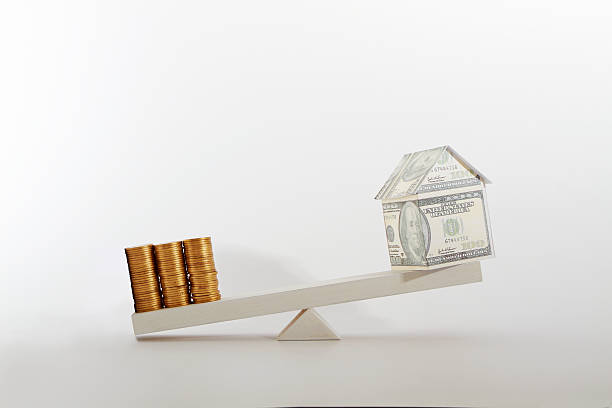
 When homeowners consider refinancing their mortgage to secure a lower interest rate or tap into their home’s equity, they often focus intently on the new monthly payment. However, a crucial and sometimes overlooked aspect of this financial decision is the array of closing costs associated with a refinance. These fees, typically ranging from two to six percent of the loan amount, are the price paid to finalize the new loan. While they can vary significantly based on location, lender, and loan type, understanding the typical categories demystifies the process and empowers borrowers to make informed financial choices.A substantial portion of refinance closing costs is composed of lender-related fees. These are charges levied by the new mortgage company for originating and processing the loan. They commonly include an application fee, an origination fee (often a percentage of the loan), and underwriting fees for evaluating the borrower’s creditworthiness. Additionally, borrowers may encounter charges for points, where one point equals one percent of the loan amount, paid upfront to buy down the interest rate. While paying points can lower the monthly payment, it increases the immediate closing costs, creating a calculation of break-even time that savvy homeowners must consider.Beyond the lender’s own charges, a refinance triggers several third-party services essential to the transaction. A title search and title insurance are almost universally required to ensure the property’s title is clear of liens or ownership disputes. Given that the lender is extending a new loan, they will insist on a lender’s title insurance policy, and the borrower may opt for an owner’s policy as well. Furthermore, an appraisal is typically mandated to confirm the current market value of the home, a critical step for the lender in determining the loan-to-value ratio. Other third-party services can include credit report fees, flood certification, and, in some cases, a survey of the property.Homeowners are also responsible for various government-mandated costs and prepaid items. These include recording fees, paid to the local county office to officially document the new mortgage lien and the release of the old one. Depending on the state, there may be intangible tax or mortgage tax. Importantly, refinancing requires the borrower to prepay certain ongoing expenses, similar to a purchase mortgage. This includes setting up a new escrow account, which requires an initial deposit for property taxes and homeowners insurance, often covering several months upfront. Additionally, borrowers must pay per-diem interest on the new loan from the closing date until the end of that month.Given this financial outlay, borrowers have strategies to manage these costs. The most straightforward approach is to pay them out-of-pocket at closing, which keeps the loan amount lower. Alternatively, many lenders offer a “no-closing-cost” refinance. It is vital to understand that this does not mean the fees vanish; instead, they are either absorbed through a slightly higher interest rate over the life of the loan or added to the total loan balance. This option can be attractive for those planning to sell the home in the near future or who lack immediate cash, but it results in higher long-term interest payments. Ultimately, the decision to refinance hinges on a careful analysis: the total closing costs must be weighed against the monthly savings, with the break-even point—the time it takes for savings to exceed costs—serving as the key metric. By thoroughly reviewing the Loan Estimate provided by the lender, shopping around for services where permissible, and understanding the trade-offs, homeowners can confidently navigate the closing cost landscape to ensure their refinance is a truly beneficial financial move.
Housing Starts: The number of new residential construction projects on which excavation has begun. Building Permits: The number of permits issued for new residential construction, which is a leading indicator of future starts. An increase in both signals that builders are confident and responding to demand, which can help alleviate housing shortages and moderate price growth. A decrease suggests a slowing market.
Homeowners often use subsequent mortgages for debt consolidation, major home renovations, funding a large purchase (like a car or boat), investing in other properties, or covering educational expenses. Some even use them for business capital or to avoid Private Mortgage Insurance (PMI).
Debt consolidation can lower your overall monthly payments by securing a lower interest rate and spreading payments over a longer term. The major risk is that you are shifting unsecured debt (like credit cards) to secured debt tied to your home. If you cannot make the new, larger mortgage payments, you could face foreclosure.
Down payment requirements are a major advantage of government-backed loans.
FHA Loan: As low as 3.5% of the purchase price.
VA Loan: $0 down payment for most borrowers.
USDA Loan: $0 down payment.
The down payment amount is crucial because it directly impacts your loan size, monthly mortgage payment, interest rate, and whether you’ll have to pay for Private Mortgage Insurance (PMI). A larger down payment generally means lower monthly costs and less paid in interest over the life of the loan.