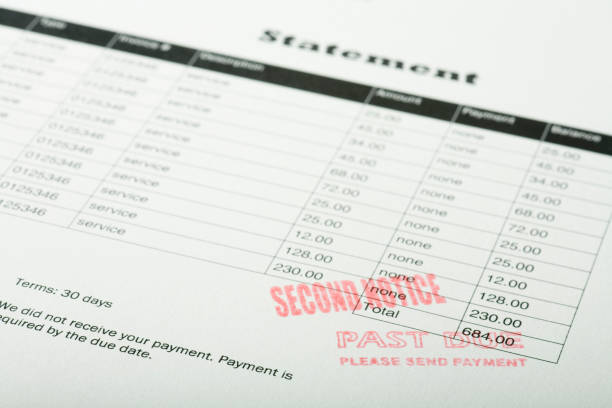
 If you have a mortgage, chances are you also have an escrow account. It is a simple system that a lender sets up on your behalf to pay two big bills: your homeowners insurance and your property taxes. Each month, a portion of these costs is added to your regular principal and interest payment. The lender holds that money in a special account and then pays the bills when they come due. It feels automatic, and for most people, it works without a hitch. But once a year, you get a notice from your lender called an escrow statement or an escrow analysis. That piece of paper can be confusing, and sometimes it comes with bad news: your monthly payment is going up. Understanding what that statement says is one of the most important things you can do to keep your mortgage under control.The goal of an escrow account is to make sure there is enough money on hand to pay your taxes and insurance when they are due. The lender estimates how much those bills will be for the coming year, divides that total by twelve, and adds that to your monthly payment. If the estimate is accurate, everything stays smooth. But estimates are not always right. Taxes can go up because your home value increased or because your local government raised rates. Insurance premiums can jump after a big storm or because of inflation. When those bills come due and the actual cost is higher than the lender expected, your escrow account runs short. That shortage must be made up, and the lender will either ask you to pay the difference in a lump sum or spread it out over the next twelve months. Either way, your monthly payment goes up.The annual escrow statement is the document that explains exactly how this happened. It will show you what the lender estimated for the previous year, what the actual bills were, and what the balance in your account was at the end. You will see a line that says “projected balance” and another that says “current balance.” If the current balance is less than what the lender needs to keep as a cushion (usually two months of payments), you have a shortage. If it is more, you have a surplus. A surplus is nice because you might get a refund, though many lenders will simply keep the extra and lower your next year’s payment slightly. A shortage is the more common reason for a payment increase.When you get this statement, do not just throw it in a drawer. Read it carefully. Look at the actual amounts paid for your insurance and taxes. Are they correct? Sometimes your insurance company sends a renewal that is different from what the lender used. Sometimes your county tax office has a record that does not match what your lender paid. If you spot a mistake, you need to call your lender and ask them to send you proof of the payment. You can also check your own records. For example, if you paid your homeowners insurance directly by mistake, the lender might have paid it again, leaving your escrow account with double the charges. That is an easy fix but only if you catch it.Another thing to watch for is the “cushion.” Lenders are allowed to keep up to one-sixth of the annual estimated expenses in your account as a safety net. That is about two months of payments. If your balance is higher than that, you should get a refund. If it is lower, the lender will likely increase your payment to rebuild that cushion. The statement will show you what the lender considers the required minimum balance. Compare that to your actual balance. If the lender is being overly conservative and keeping more than the legal limit, you have a right to ask for the excess back.Managing your escrow account does not end with reading the statement once a year. You can also take steps to avoid big surprises. For instance, keep an eye on your home’s assessed value. If your county reassesses property every few years, find out when that happens and what the new value will be. If it goes up a lot, you can expect your taxes to increase. You can also shop around for homeowners insurance. If you switch to a cheaper policy, tell your lender right away so they can update their records. If you do not, they will keep collecting for the old, higher premium and you will end up with a surplus that you have to wait to get back.If your payment does go up because of an escrow shortage, do not panic. The increase is usually spread over the next year. That means your monthly payment will go up by the shortage amount divided by twelve, plus any future increases in taxes or insurance. For example, if you have a three hundred dollar shortage, your payment will go up by about twenty-five dollars a month. That is manageable for most households. The problem comes when people ignore the statement and then are shocked by a larger payment. So open the envelope, read the numbers, and make sure they make sense.Finally, remember that when you pay off your mortgage, the escrow account will close. The lender will send you a check for whatever is left in the account. But until then, that statement is your best tool for staying in control. Treat it like a health checkup for your home finances. A few minutes of attention each year can save you from overpaying or from an unexpected spike in your monthly bill. Take the time to understand it, and you will be a smarter, more confident homeowner.
Lenders typically require a minimum lump-sum payment, often $5,000, $10,000, or sometimes a percentage of the current loan balance. It’s essential to check with your specific lender for their minimum requirement before proceeding.
The process is generally simple:
1. Check Eligibility: Contact your lender to confirm they offer recasts and that your loan type qualifies (e.g., conventional loans often do; FHA/VA may not).
2. Make a Lump-Sum Payment: You must make a significant principal payment, which often has a minimum requirement (e.g., $5,000 or more).
3. Submit a Request & Pay Fee: Formally request the recast from your loan servicer and pay the associated processing fee.
4. Lender Re-amortizes: Your lender applies the payment and creates a new amortization schedule based on the lower principal.
5. Confirmation: You will receive confirmation of your new, lower monthly payment and the date it takes effect.
Your DTI ratio is a key factor lenders use to assess your ability to manage monthly payments. Most lenders prefer a DTI below 43%, though some may allow up to 50% with strong compensating factors. To calculate it, divide your total monthly debt payments by your gross monthly income.
Customer service is a key differentiator. Credit unions consistently rank higher in customer satisfaction surveys. They are member-focused and often provide a more personalized, community-oriented experience. Banks, especially large ones, can feel more impersonal and bureaucratic, though they may offer more robust 24/7 digital support.
A lender’s reputation is a powerful indicator of the experience you are likely to have. It reflects their history of customer service, reliability, and ethical practices. A lender with a strong, positive reputation is more likely to offer transparent terms, clear communication, and a smooth, predictable closing process, which is critical for one of the largest financial transactions of your life.