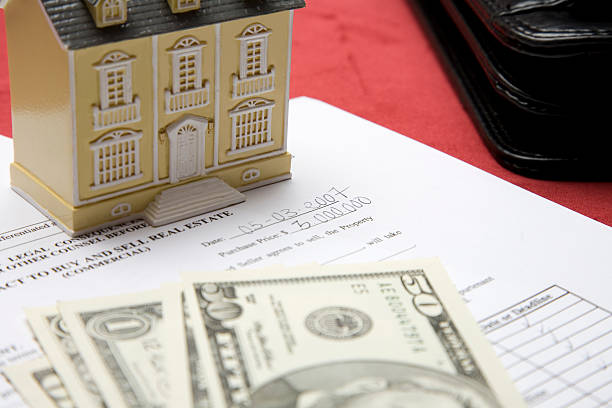
 If you’ve owned your home for a few years and are staring at an outdated kitchen or a leaky roof, you might be wondering how to pay for the fixes. One of the most powerful tools you have is the equity you’ve already built. In simple terms, equity is the difference between what your home is currently worth and what you still owe on your mortgage. When you use that equity to pay for renovations, you’re essentially borrowing against your own asset. This strategy comes with several clear benefits that can make a big difference for your wallet and your lifestyle.Perhaps the most straightforward benefit is that using equity typically gives you access to much larger sums of money than a personal loan or credit card. A typical home renovation like a full kitchen remodel or a new roof can cost tens of thousands of dollars. Personal loans often cap out around fifty thousand, and credit card limits are much lower, with crushing interest rates. Home equity, however, is usually measured in the tens or even hundreds of thousands of dollars, depending on your home’s value. This means you can tackle a major project all at once without juggling multiple small loans or draining your savings. You can replace the windows, update the plumbing, and finish the basement all with one loan, which simplifies your finances.Another major advantage is the lower interest rate you will likely pay. Because your loan is secured by your house, lenders see it as less risky than unsecured debt. As a result, interest rates on home equity loans or lines of credit are almost always lower than rates on credit cards or personal loans. For example, if you need twenty thousand dollars for a bathroom renovation, a home equity loan might carry an interest rate in the single digits, while a credit card could charge eighteen to twenty-five percent. Over the life of the loan, that difference saves you hundreds or even thousands of dollars. More of your monthly payment goes toward paying down the principal rather than getting eaten up by interest.Using equity for renovations also offers a significant tax advantage that many homeowners overlook. Under current tax law, if you use the money to substantially improve your home, the interest you pay on the loan may be tax deductible. This is similar to the deduction you get on your original mortgage. To qualify, the renovations must be considered a capital improvement, which means they add value to the property, adapt it to new uses, or extend its life. Replacing a furnace, adding a room, or installing energy-efficient windows are classic examples. You will want to keep detailed receipts and talk to a tax professional, but this deduction can effectively reduce the true cost of borrowing.Perhaps the most compelling benefit is the potential increase in your home’s value. This is known as return on investment. Not all renovations are equal, but projects like updating a kitchen, adding a bathroom, or finishing a basement often add significant value when you sell. In many markets, a well-done kitchen remodel can recoup sixty to seventy percent of its cost or more. If you use equity to pay for the work, you are increasing the value of the asset that secures the loan. In a sense, you are reinvesting your own money into your own property. If you sell the house later, you can pay off the renovation loan and walk away with a larger profit. Even if you do not sell, you have a more comfortable, functional home that might also cost less to heat or maintain.Using equity can also protect your savings and emergency fund. A common mistake homeowners make is draining their savings to pay for a renovation. That leaves you vulnerable if you lose your job or face a medical emergency. By using a home equity loan instead, you can keep your cash reserves intact for true emergencies. You spread the cost of the renovation over several years, which is often easier to manage than a big one-time payment. This is especially helpful for larger projects that you cannot postpone, like structural repairs or a failing roof. You address the problem without wiping out your financial safety net.Finally, using equity can give you more control over the timeline and quality of your renovation. When you have cash from a loan, you can hire better contractors, buy better materials, and schedule the work without rushing. You are not forced to take the cheapest option just because your budget is tight. You can also choose to do a phased approach, tackling one room at a time, without worrying about funding gaps. This can lead to a higher quality finished product and less stress during the construction process.Of course, using equity is not without risk. You are putting your home on the line, so you need to be sure you can afford the monthly payments. But for most homeowners with stable income and a realistic plan, the benefits often outweigh the drawbacks. You get lower rates, potential tax breaks, increased property value, and peace of mind knowing you did not drain your savings. If you are planning a major renovation, tapping into your home equity is a smart, straightforward way to get the job done right.
Not necessarily. It may not be the best move if: You have high-interest debt (credit cards, personal loans). You lack a sufficient emergency fund. Your mortgage has a very low interest rate, and you could earn a higher return by investing. You are sacrificing retirement savings to make extra payments.
PMI is insurance that protects the lender if you default on your loan.
It is typically required if your down payment is less than 20% of the home’s purchase price.
The cost varies but usually falls between 0.5% and 1.5% of the loan amount annually, added to your monthly payment.
You can request to cancel PMI once your equity reaches 20%.
Clear communication is the foundation of a smooth and successful mortgage experience. It ensures you understand every step, prevents costly delays or errors, and allows us to address any issues immediately. We believe an informed client is a confident client, and we are committed to keeping you fully updated from application to closing.
Yes, in many transactions, the seller can agree to pay for some or all of the buyer’s closing costs. This is known as “seller concessions” and is often negotiated as part of the purchase agreement.
HELOCs have unique risks. Most have a variable interest rate, meaning your payments can increase significantly if rates rise. Furthermore, after the initial “draw period” (usually 10 years), you enter the “repayment period,“ where you can no longer borrow and must start paying back the principal, often causing a sharp jump in your monthly payment.