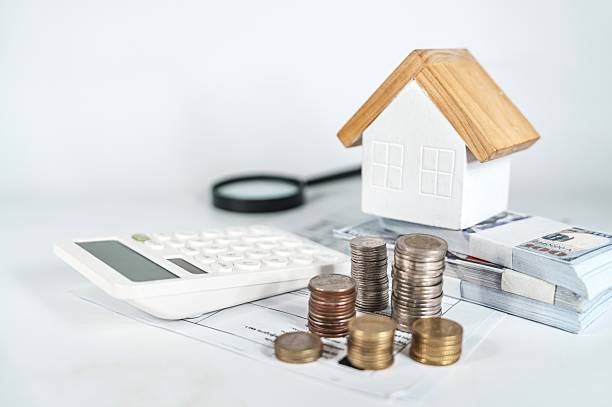
Escrow is a simple idea wrapped in a confusing word. It is a holding account. When you buy a home, escrow is where your earnest money sits until closing. After closing, escrow usually means the account your mortgage company uses to collect and pay your property taxes and homeowners insurance. That second kind of escrow is the one that shows up in your monthly mortgage payment, and it is the one that causes the most questions.
Your mortgage payment has parts. The main parts are principal and interest. Principal pays down what you borrowed. Interest is the lender’s fee for borrowing. If you have taxes and insurance escrowed, your payment also includes a monthly slice for those bills. Many people call the whole thing PITI, which stands for principal, interest, taxes, and insurance. If you put less than twenty percent down on some loans, you may also pay mortgage insurance. The servicer, the company that handles your loan payments, adds up the yearly tax and insurance bills, divides by twelve, and collects that amount with each payment. When the bills come due, the servicer pays them for you.
Why do lenders do this? Because property taxes and homeowners insurance protect the lender’s collateral. If you fail to pay taxes, a tax authority can put a lien on the home. If you fail to pay insurance, a fire or storm could destroy the home with no money to rebuild. You do not have to save separately for a big tax bill or insurance premium. It is built into your monthly payment. But it can also make your payment change from year to year.
Your property tax assessment may go up. Your insurance premium may rise. When that happens, the servicer does an escrow analysis. It compares what it collected with what it paid. If there is a shortage, you owe more. The servicer may spread that shortage over twelve months, which raises your payment. If there is a surplus, you may get a refund or a lower payment. This is why your payment can go up even when your interest rate is fixed. A fixed rate does not lock your taxes or insurance. It only locks the principal and interest part.
You should review your escrow statement once a year. Check the tax amount against your county assessor’s record. Check the insurance premium against your policy. If the numbers look wrong, call your servicer. Mistakes happen. Maybe a tax exemption was missed. Maybe the insurance company changed your rate. Maybe the servicer paid the wrong bill. Catching a problem early is much easier than fixing it after the money is gone.
You can also shop your homeowners insurance. Your escrow payment depends on your premium. If you find a better policy with the same coverage, you can often save real money every month. Do not cancel old insurance until the new one is active and the lender has the proof. A gap in coverage can cause the lender to buy expensive force-placed insurance and charge you for it.
Some homeowners want to pay taxes and insurance themselves instead of using escrow. This is sometimes called waiving escrow. It can be allowed on some conventional loans if you have enough equity and a good payment history. It is not usually allowed on FHA loans. If you waive escrow, you must be disciplined. You need to save the money each month and pay large bills on time. If you miss a tax payment, you can lose the home even if your mortgage is current. For most people, escrow is the safer choice.
When you sell, refinance, or pay off your loan, the escrow account is closed. Any money left after all bills are paid should be refunded to you. If you refinance, do not assume the old escrow balance will transfer.
Escrow is not a fee. It is not extra lender profit. It is your money, held to pay bills you would owe anyway. Know what your payment includes. Read the annual analysis. Question big jumps. Keep your insurance and tax records organized. Do that, and escrow becomes what it should be: a boring tool that keeps your mortgage and your home protected.