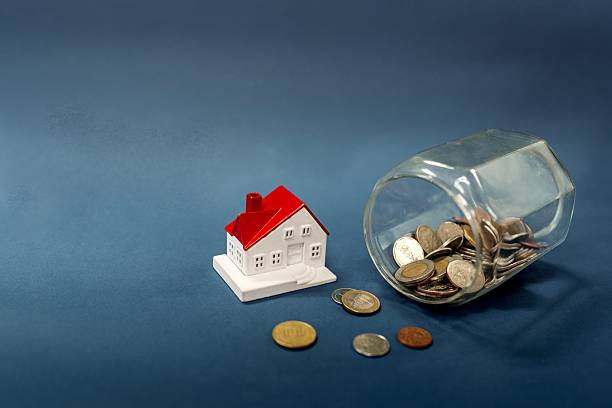
A second mortgage can look like a lifeline when credit card balances are high. The pitch sounds simple: trade 22% credit card interest for a lower rate, combine the payments, and breathe easier. But when you use a second mortgage or home equity line of credit to pay off credit cards, you are not just changing the interest rate. You are changing the stakes. Credit card debt is unsecured. If you fall behind, your credit score takes a hit and collectors call, but your home is not automatically on the line. A second mortgage is tied to your house. If you cannot pay, you can lose the roof over your head. That is why there are times to avoid this move entirely.
The clearest time to walk away is when the credit card debt came from spending more than you earn. If the budget has not changed, consolidating the cards does not fix anything. It just empties the cards and leaves the old habits in place. Within a year, many people have a second mortgage payment and a fresh pile of credit card balances. Now the hole is deeper, and the house is part of the problem. Before borrowing against home equity, you need a written spending plan that you have lived with for a few months. If you cannot show where the money went and how next month will be different, a second mortgage is not a solution. It is a delay.
Avoid a second mortgage if your income is shaky. Commissions can drop. Overtime can disappear. A business can slow down. A job can change. A home equity line of credit often has a variable rate, which means the payment can rise when rates rise. Even a fixed-rate second mortgage adds a new monthly bill. If you are already stretched thin, the lender may still approve you based on today’s income. That does not mean you can afford the payment in six months. Ask yourself what happens if you lose your job or take a pay cut. If the answer is “we might lose the house,“ do not sign.
Do not use a second mortgage to pay off credit cards if you have no emergency savings. Your home equity is not a piggy bank. It is your safety net for the biggest asset you own. If the water heater breaks, the car dies, or someone gets sick, you need cash or an emergency fund. A home equity line can be frozen or reduced by the lender in a tough economy. If you have already spent the equity, you have no cushion left. Keep at least a small emergency fund before you even think about consolidating.
Be very careful if the loan comes with a low introductory rate. Many home equity lines start with a teaser rate that lasts for a short time. After that, the rate and payment can jump. If you only qualify because of the teaser, you are setting yourself up for a shock. Read the documents or ask the lender to explain in plain English what the payment will be at the highest rate in recent years. If that number makes you nervous, it should.
Avoid a second mortgage if you plan to sell soon. Closing costs, appraisal fees, and early payoff penalties can eat the savings. If you sell in a year or two, you may barely break even after paying the loan off. Also avoid it if you are not sure about the home’s value. If the market drops and you owe more than the house is worth, selling becomes much harder.
Finally, avoid a second mortgage if a lender is rushing you. Pressure is a red flag. You should never feel pushed to sign papers you do not understand. A second mortgage can be a useful tool for some homeowners with steady income, a solid budget, and a clear repayment plan. But when the goal is to wipe out credit card debt caused by overspending, unstable income, or no savings, the risk is too high. Your home is not a credit card. Treat it that way, and you will protect the thing that matters most.