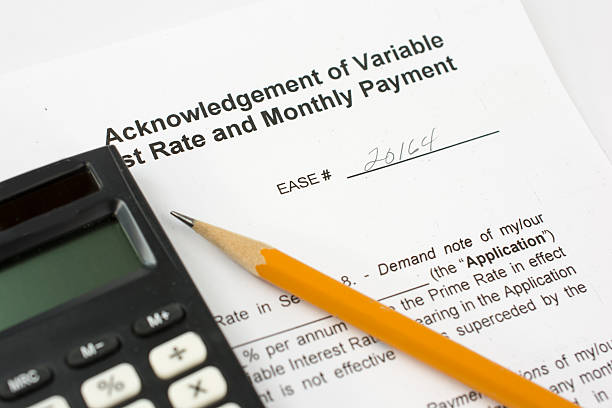
When you start thinking about buying a home, you probably focus on your credit score. You check it, you worry about it, and you assume that a good score will be enough to get you a great mortgage. But there is another number that lenders care about just as much, and often more. It is called your debt-to-income ratio, or DTI. Understanding this number is the key to knowing how much house you can actually afford, and it can save you from a lot of disappointment down the road.
Your debt-to-income ratio is simple. It is the percentage of your gross monthly income that goes toward paying your debts. Gross income means what you earn before taxes and other deductions. Debts include things like your car payment, student loans, credit card minimum payments, and any other monthly obligations you have. Lenders look at this number to decide whether you can handle a new mortgage payment on top of everything else. They want to make sure you are not going to be stretched too thin.
Let’s say your household brings in five thousand dollars a month before taxes. If you have a car payment of three hundred dollars, student loans of two hundred dollars, and credit card minimums of one hundred dollars, your total monthly debts add up to six hundred dollars. Divide six hundred by five thousand, and you get 0.12, or twelve percent. That is a very healthy ratio. Now imagine you want a mortgage that costs fifteen hundred dollars a month, including taxes and insurance. Add that to your existing debts, and your total is twenty-one hundred dollars. Divide that by five thousand, and your DTI jumps to forty-two percent. That is right around the limit for most lenders.
There are actually two DTI numbers lenders look at. The first is your front-end ratio, which only includes your housing payment. The second is your back-end ratio, which includes all your debts, including the new mortgage. Most lenders want your front-end ratio to be no higher than twenty-eight percent and your back-end ratio to be no higher than thirty-six percent. Some loan programs allow higher numbers, especially for first-time buyers, but you should not assume that just because a lender says yes, you are making a smart move. A high DTI means less money left over for groceries, utilities, gas, and everything else that life throws at you. A mortgage that eats up half your income can turn your dream home into a financial nightmare.
The good news is that you can improve your DTI before you apply for a mortgage. The simplest way is to pay down debt. If you can knock out a car payment or pay off a credit card balance, your monthly obligations go down, and your ratio looks better. You can also increase your income. That might mean taking on overtime, picking up a side job, or waiting until you get a raise. Even an extra two hundred dollars a month can make a real difference in what you qualify for. Another option is to save for a larger down payment. A bigger down payment means a smaller loan, which means a smaller monthly payment, which means a lower DTI. That is why many first-time buyers choose to wait a year or two and save more before jumping in.
You also need to be careful about what you count as income. Lenders will look at your pay stubs, tax returns, and bank statements. They want proof that your income is steady and reliable. If you are self-employed, you may need to show two years of tax returns. If you rely on bonuses or commissions, those may not count for the full amount. You should be honest with yourself about what you actually bring in every month, not just what you hope to make. Lenders are good at spotting inflated numbers, and you do not want to end up in a house that you cannot afford just because your paperwork looked good.
One thing that surprises many people is how much their DTI matters for the interest rate they get. Borrowers with a lower DTI are seen as less risky, so they usually get better rates. That can save you tens of thousands of dollars over the life of a thirty-year loan. A slightly lower DTI could mean the difference between a rate of six percent and six and a half percent. On a two hundred fifty thousand dollar loan, that is a huge difference in monthly payments and total interest paid. So improving your DTI is not just about getting approved. It is about getting approved on better terms.
Do not make the mistake of thinking you can ignore your DTI because you have a high credit score. A great credit score tells the lender that you pay your bills on time. But a high DTI tells them that you might be overextended. They need both to be in good shape. If your score is excellent but your DTI is too high, you will either be denied or offered a loan with worse terms. If your score is just okay but your DTI is low, you might still get a solid mortgage. The two numbers work together, but your DTI is often the one that trips up first-time buyers.
The takeaway is simple. Before you even start looking at homes, figure out your debt-to-income ratio. Add up all your monthly debt payments, divide by your gross monthly income, and see where you stand. If you are above thirty-six percent, start working on paying down debt and boosting your income. If you are under that number, you are in a good position to move forward. This is not complicated math, but it is incredibly important. Know your number, understand what it means, and you will walk into the homebuying process with your eyes wide open. That is how you avoid getting ripped off, and how you find a mortgage you can live with for the long haul.