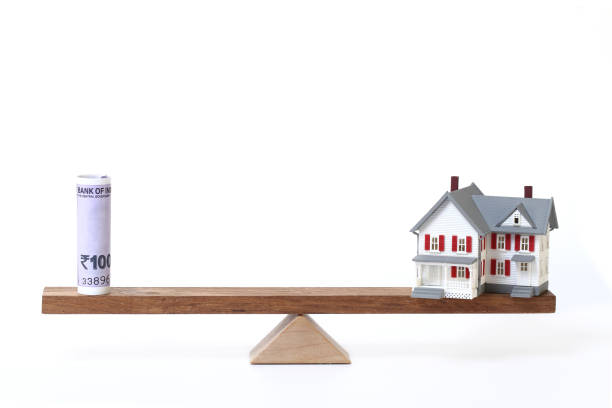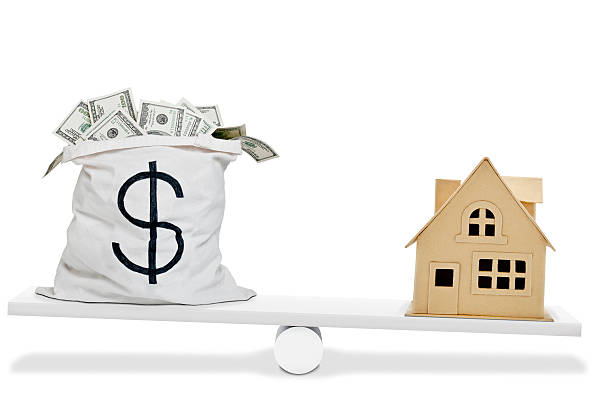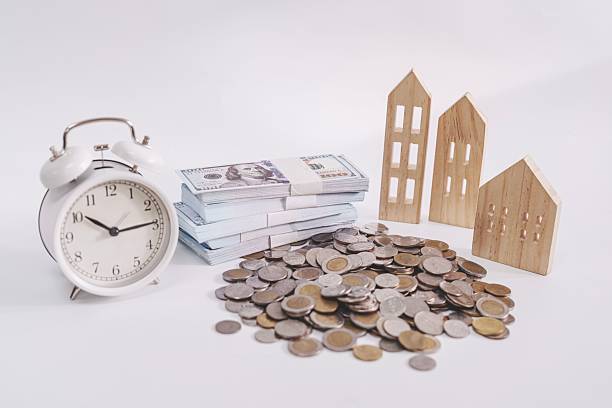
If you already own a home and are thinking about taking out a second mortgage, you have probably heard the term debt-to-income ratio. It sounds like something only bankers care about, but it is actually a simple number that tells you how much of your monthly income is already spoken for by bills. When you add a second mortgage, that number goes up, and that affects more than just your credit score. It changes how much breathing room you have every month and what you can afford to borrow in the future.
Your debt-to-income ratio, often called DTI, is just the percentage of your gross monthly income that goes toward paying debts. To figure it out, you add up all your monthly debt payments: your first mortgage, car loans, student loans, credit card minimums, child support, and any other regular payments. Then you divide that total by your monthly income before taxes. Most lenders like to see a DTI below 43 percent, though some loans allow up to 50 percent. The lower your DTI, the safer you look to a lender and the more room you have in your budget for unexpected expenses.
When you take out a second mortgage, whether it is a home equity loan or a home equity line of credit, that new payment gets added to the list. Suppose your first mortgage payment is 1,200 dollars a month, your car payment is 400, and your credit card minimums add up to 200. That is 1,800 dollars total. If your monthly income is 5,000 dollars, your DTI is 36 percent. Now you add a second mortgage payment of 300 dollars. Your total monthly debt jumps to 2,100 dollars, and your DTI rises to 42 percent. That is still under 43 percent, but it is much closer to the limit. If you had another big expense, like a car repair or a medical bill, you might have trouble making all your payments.
The impact on your overall debt load goes beyond the monthly payment. A second mortgage increases the total amount you owe on your home. Your first mortgage plus the second adds up to a bigger loan balance. If your home value drops, you could end up owing more than the house is worth. That is called being underwater, and it makes it very hard to sell or refinance. Even if home values stay steady, the extra debt means more of your equity is tied up. Equity is the part of your home that you actually own, and a second mortgage eats into it quickly.
Another thing many homeowners do not consider is how a second mortgage affects their ability to get other loans. If you want to buy a car or take out a personal loan later, lenders will look at your DTI. A higher DTI means you look like a riskier borrower. You might get approved, but you will probably pay a higher interest rate. That extra cost adds to your overall debt burden over time. Some people end up using a second mortgage to pay off credit cards, thinking they are saving money, but then the DTI from the second mortgage prevents them from getting a lower rate on a future car loan. The math works against them.
There is also the risk of overleveraging yourself. When your DTI climbs above 43 or 45 percent, you have very little cushion. A job loss, a pay cut, or an unexpected medical expense can push you into default. The second mortgage is secured by your home, meaning if you stop paying, the lender can foreclose. Losing your house is the worst possible outcome for your overall debt load. It wipes out years of payments and ruins your credit for a long time.
Some homeowners think they can handle a second mortgage because they have a good income today. But people’s financial situations change. A second mortgage locks you into a higher monthly payment for years. If your income drops or your expenses go up, you cannot simply decide to stop paying that extra debt. You still owe it, and the bank will not let you off the hook.
The smartest way to think about a second mortgage is to consider the worst case scenario. Ask yourself: if my income went down by 20 percent, could I still afford my first mortgage payment plus the second mortgage plus my other bills? If the answer is no, then the second mortgage is adding too much risk to your overall debt load. Even if you think nothing bad will happen, life has a way of surprising people. Keeping your DTI low is one of the best ways to protect your financial health.
If you do decide to take out a second mortgage, try to keep the payment small enough that your DTI stays under 36 percent if possible. That gives you a safety margin. Also, make sure you understand that the second mortgage is not free money. It is a new debt that takes a bigger bite out of your monthly income and reduces your future borrowing power. The impact on your overall debt load is real, and it lasts as long as the loan does. Before you sign, run the numbers yourself. See exactly how much your DTI will go up and decide if the extra debt is worth the risk.