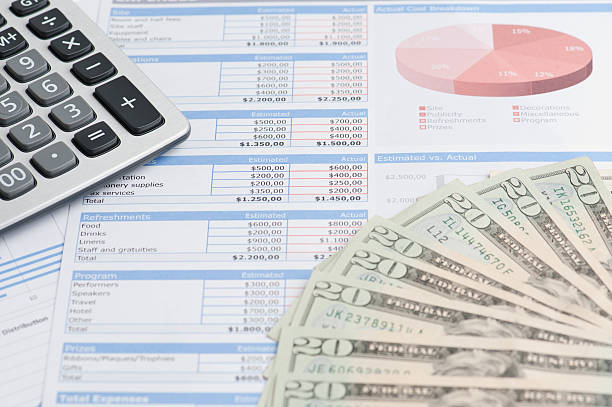
 When you hit a rough patch and couldn’t make your mortgage payments, forbearance gave you a break. It let you pause or lower your payments temporarily while you got back on your feet. That was the easy part. Now that your hardship is behind you, you likely have a lump sum of missed payments that needs to be dealt with. The lender is not going to forgive that money. You still owe it, but you do have options for how to pay it back. Understanding each choice can save you stress and help you keep your home.First, know what you are dealing with. During forbearance, your missed payments were not erased. They were piled up, and interest kept building. When forbearance ends, you owe exactly what you would have paid during that time, plus any interest that accrued. The total amount depends on how many months you skipped and the size of your mortgage payment. If you were in forbearance for six months and your payment was $1,200, you now owe about $7,200. That is a big number. But you do not have to hand it over all at once.The simplest way to handle this is a lump sum payment. If you have the cash sitting in savings, you can write one check to the lender and be done. That is the fastest path, but most homeowners do not have that kind of money after a job loss or medical crisis. If you do not have a lump sum, do not panic. Lenders know that forbearance was meant for people who were struggling, so they offer other ways to make it manageable.A repayment plan is a very common option. This works like a second mortgage payment added on top of your regular one for a set number of months. Suppose you owe $7,200 and your lender agrees to spread that out over 12 months. Each month you pay your normal mortgage plus an extra $600. You are back on track, and after one year the forbearance debt is gone. The catch is that your monthly payment goes up, so you need to make sure your budget can handle the extra amount. If that still feels too high, ask for a longer repayment plan. Some lenders will stretch it over 24 or even 36 months.Another option is a deferral. With a deferral, the missed payments are turned into a separate loan that sits behind your main mortgage. You do not have to pay anything on that extra loan until you sell your house or refinance. It may also come due when your mortgage is fully paid off. This keeps your monthly payment exactly the same as before forbearance. No extra money due every month. The downside is that interest may still accrue on that deferred balance, so the total you eventually pay could be a little higher. But for most homeowners, the peace of mind is worth it.A loan modification is a bigger change. Instead of just dealing with the missed payments, the lender rewrites your entire mortgage. They may lower your interest rate, extend the loan term from 30 years to 40 years, or even reduce the principal amount you owe. Some of the forbearance debt might be rolled into the new loan, and sometimes a portion is forgiven. Loan modifications are not automatic. You have to apply and show that you still need help. They are good for people whose income has permanently dropped and who cannot return to their old payment level.Whichever route you choose, you must contact your lender or servicer before the forbearance ends. Do not wait until the day after. Call them, explain your situation, and ask what options they have. They are required to work with you. If you do not make a plan, the lender may automatically require you to repay all the missed payments immediately. That could lead to foreclosure if you cannot pay.Also be careful of scams. No one can promise to make your forbearance debt disappear for a fee. Only your lender can change the terms. If someone offers to negotiate for you in exchange for upfront money, walk away. You can handle this yourself by being honest with your lender about your finances.Finally, keep good records. Write down the name of the person you talked to, the date, and what was agreed. Save any letters or emails. Mistakes happen, and having a paper trail protects you. Repaying forbearance does not have to be scary. It is just another step in getting your mortgage back to normal. Take it one option at a time, and you will be fine.
For tax years 2018 through 2025, the limit for deductible mortgage debt is: $750,000 for married couples filing jointly and single filers ($375,000 if married filing separately). This applies to new mortgages taken out after December 15, 2017. For mortgages taken out before December 16, 2017, the previous limit of $1,000,000 ($500,000 if married filing separately) is generally grandfathered.
You can check your credit reports for free at AnnualCreditReport.com. To improve your score: pay all bills on time, keep credit card balances low (below 30% of your limit), avoid opening new credit accounts before applying, and dispute any errors on your reports.
A 15-year mortgage builds equity at a much faster rate. Since a larger portion of each monthly payment goes toward the principal balance from the very beginning, you own a greater share of your home more quickly. With a 30-year loan, the payments are more heavily weighted toward interest in the early years, slowing the pace of equity building.
# Assumable Mortgages Overview
Being prepared speeds up the process. Typically, you’ll need recent pay stubs, W-2s, tax returns, bank statements, and documentation for any other assets or debts. Getting a precise list early helps you gather everything efficiently.