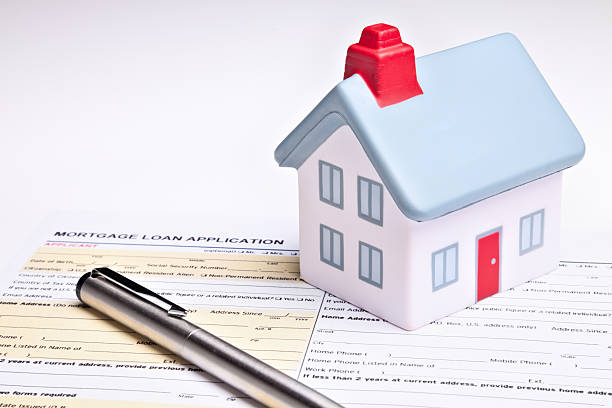
 The question of whether Private Mortgage Insurance (PMI) is tax deductible is a common and financially significant one for many homeowners. The answer, while seemingly straightforward, carries important nuances that depend heavily on specific taxpayer circumstances, income levels, and the applicable tax year. In essence, PMI can be tax deductible, but this is not a universal rule and is subject to important limitations set by Congress, which have changed over time.PMI is a type of insurance typically required by lenders when a homebuyer makes a down payment of less than 20% of a home’s purchase price. This insurance protects the lender, not the borrower, in case of default. For the homeowner, it represents an additional monthly cost on top of their principal, interest, and escrow payments. The potential to deduct these premiums can therefore provide meaningful relief, effectively lowering the overall cost of homeownership for those who qualify.The deductibility of PMI premiums is governed by federal tax law and has not been a permanent provision. Historically, it has been treated as an itemized deduction, meaning taxpayers must forgo the standard deduction to claim it. Crucially, the deduction has often been subject to periodic expiration and subsequent renewal by Congress through “tax extenders” legislation. For several years, including the 2022 tax year, the deduction was allowed. However, as of the current knowledge cutoff, the provision that allowed the PMI deduction expired at the end of the 2021 tax year and had not been renewed by Congress for the 2023 and 2024 tax years. This underscores the critical importance for taxpayers to verify the status of the deduction for the specific tax year they are filing, as legislative changes can directly impact eligibility.Assuming the deduction is available for a given tax year, significant eligibility criteria apply. The deduction is primarily for taxpayers who itemize their deductions on Schedule A of Form 1040. The homeowner must have taken out the mortgage to buy, build, or substantially improve their primary residence or a second home; it does not apply to investment or rental properties. Furthermore, there are strict income-based phase-out rules. The deduction begins to phase out for taxpayers with an adjusted gross income (AGI) above $100,000 ($50,000 if married filing separately) and is completely eliminated for those with an AGI exceeding $109,000 ($54,500 if married filing separately). These thresholds are not typically adjusted for inflation, making the deduction increasingly inaccessible over time for many.It is also vital to distinguish PMI from other forms of mortgage insurance. For example, premiums for mortgage insurance provided by the Federal Housing Administration (FHA), known as MIP, or by the Department of Veterans Affairs (VA) and the U.S. Department of Agriculture (USDA), have different rules and are generally not deductible under this same provision. The deduction specifically applies to private mortgage insurance as defined under the tax code from qualified providers.In conclusion, while PMI has been tax deductible in recent past years under specific conditions, its status is not permanent and is currently in limbo. Homeowners paying PMI must consult the most current IRS guidelines or a qualified tax professional for their filing year to determine availability. The deduction’s value is also constrained by itemization requirements and AGI phase-outs. Therefore, the pursuit of this deduction requires a careful, year-by-year analysis of one’s financial situation against the prevailing tax law. For eligible taxpayers in years when the provision is active, claiming the PMI deduction can be a legitimate and valuable method to reduce taxable income, acknowledging the real cost of attaining homeownership with a lower down payment.
If you default, the third mortgage lender can initiate foreclosure proceedings. However, because they are in third position, they are last in line to receive proceeds from the forced sale of the home. If the sale doesn’t generate enough money to pay off all three loans, the third mortgage lender loses their money. This is why they are so cautious.
Unlike renters, homeowners bear the full cost of replacing major systems when they fail.
Roof: $5,000 - $15,000+
HVAC System: $5,000 - $10,000+
Water Heater: $800 - $2,500
It’s crucial to have a robust emergency fund to cover these unexpected, significant expenses.
Use negative reviews to form specific, direct questions. For example:
“I saw some reviews mentioning closing delays. What is your average time to close, and what is your process for ensuring deadlines are met?“
“Some customers reported unexpected fees. Can you walk me through all the costs on your Loan Estimate and guarantee no hidden fees at closing?“
All three loan types are intended for primary residences.
FHA Loan: Can be used for 1-4 unit properties (e.g., single-family homes, duplexes), condos, and manufactured homes (if they meet specific criteria).
VA Loan: For primary residences only, including single-family homes, condos (in VA-approved projects), and manufactured homes.
USDA Loan: For primary residences only, typically single-family homes in designated rural areas.
A mortgage rate is the interest you pay on the money you borrow to purchase a home. It’s expressed as a percentage and determines a significant portion of your monthly mortgage payment. Essentially, it’s the cost of borrowing money from a lender.