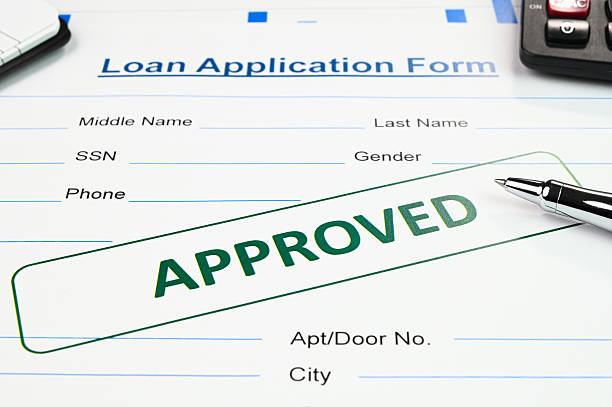
When you start shopping for a home, lenders throw around two terms that sound almost the same: pre-qualification and pre-approval. They are not the same, and treating them as interchangeable can cost you time, money, and the house you want. A pre-qualification is a quick, informal estimate. A pre-approval is a deeper, verified commitment from a lender that carries real weight with sellers and real estate agents.
A pre-qualification usually takes minutes. You give a lender basic information about your income, debts, assets, and down payment. The lender pulls a soft credit check or sometimes no credit check at all, then gives you a rough idea of how much you might be able to borrow. But a pre-qualification is only as good as the numbers you provide. If you guess your income or forget a car loan, the estimate can be way off.
A pre-approval goes much further. You complete a full mortgage application, and the lender verifies your financial life. That means pulling your credit report, checking your income with pay stubs and tax returns, reviewing bank statements, and calculating your debt-to-income ratio. An underwriter may review the file before issuing the letter, though some lenders offer a quicker version that is not fully underwritten. A true pre-approval tells you exactly how much the lender is willing to lend you, subject to a satisfactory appraisal, title review, and no major changes in your finances. It is not a final approval, but it is far stronger than a pre-qualification.
Why does this difference matter? In a competitive market, it can be the difference between winning a bid and watching someone else get the keys. Sellers want confidence that the deal will close. If two offers are similar, the one backed by a pre-approval usually wins. Real estate agents also prefer working with buyers who are pre-approved because they know the buyer is serious and less likely to waste time. Some agents will not even show homes to buyers who only have a pre-qualification, especially when inventory is tight.
A pre-approval also helps you shop smarter. Instead of guessing what you can afford, you know the maximum a lender will approve. That does not mean you should borrow the maximum. A good mortgage plan looks at your full budget: monthly payment, property taxes, homeowners insurance, maintenance, and future goals. Just because a lender says you can borrow a certain amount does not mean you should. A pre-approval gives you a realistic ceiling so you can set your own floor and stick to it.
Getting pre-approved takes more work upfront, but it is not complicated. You will need recent pay stubs, W-2s or tax returns if you are self-employed, bank and investment statements, and information about any existing loans. Lenders will ask about your job history, down payment source, and any recent credit activity. Be honest and thorough. If you are missing documents, get them early. Also avoid big financial changes during the process. Do not quit your job, finance a new car, or open a new credit card right before or after you get pre-approved. Those moves can change your debt-to-income ratio and kill your approval.
A pre-approval letter usually expires after sixty to ninety days, depending on the lender. That is because your financial situation and credit score can change. If your house hunt takes longer, you may need to update your documents and get a fresh letter. Also remember that a pre-approval is not a guarantee. The final approval depends on the appraisal, the title search, and the home passing inspection. If the appraisal comes in low or the home has major problems, the deal can still fall apart.
The bottom line is simple. A pre-qualification is a quick temperature check. A pre-approval is a verified green light. If you are just dreaming and calculating, a pre-qualification is fine. If you are ready to make offers, get pre-approved first. It puts you in a stronger position, helps you avoid surprises, and shows sellers you are a serious buyer. Do not let a fast online estimate fool you into thinking you are ready. Talk to a lender, gather your paperwork, and get the real answer before you fall in love with a house.