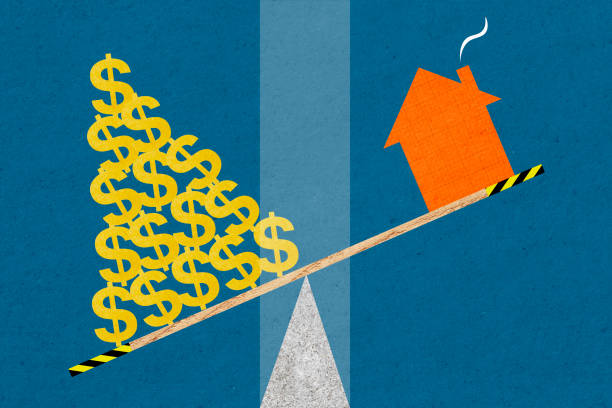
You’ve sat down at the kitchen table, calculator in hand, ready to finally refinance that home loan. The lender on the phone is friendly at first. Then something shifts. He tells you the rate you’re looking at is only available for the next three hours. He says there are three other families waiting to grab that same deal. He urges you to sign the paperwork right now, tonight, before you lose it forever. That is a hard sell. And if you feel your chest tighten and your hand start to reach for a pen, slow down. This is exactly the moment when thousands of American homeowners get trapped in a bad mortgage.
Nobody likes being sold to. We all know that feeling of a car salesman hovering while you test-drive a sedan. But a mortgage is far bigger than a car. It’s likely the largest financial promise you’ll ever make. So why would any lender try to rush you into it? The answer is simple: because it works. High-pressure sales tactics are designed to override your common sense. When a person feels urgency, they stop asking questions. They stop comparing numbers. They stop reading the fine print. And that is precisely where the lender makes his money. Every hidden fee, every prepayment penalty, every balloon payment hiding in paragraph twelve of the contract—all of it gets ignored when you’re told the offer expires in thirty minutes.
Let me be blunt with you. A legitimate mortgage lender never needs to pressure you. The mortgage market is huge. There are thousands of banks, credit unions, and direct lenders competing for your business every single day. A good rate today will still be a good rate next week. Another lender will match it or beat it. This is not like buying a hot new concert ticket. Mortgage products aren’t in short supply. So when someone tells you that you must act now or you’ll be left out, what they are really telling you is that they have something to hide.
Here are a few of the most common hard-sell lines you’ll hear, and what they actually mean. “This rate won’t be around after today.” Translation: We want you to sign before you shop around and find a better one. “I have to lock this in before the market closes.” Translation: I’d rather you trust my urgency than verify my numbers. “You’re pre-approved, but only if we close within seven days.” Translation: We want you to skip an independent appraisal or a careful title review. “If you don’t take this now, the next buyer will.” That one is just silly. Mortgages aren’t listed on a first-come, first-served basis, unless you’re dealing with a crooked private lender. And you should never deal with a crooked private lender.
What does an honest sale look like? A good loan officer will walk you through every number. They’ll explain the difference between a fixed rate and an adjustable rate in plain English. They’ll answer your questions more than once if you need it. They’ll encourage you to take a few days to compare their offer with another bank’s offer. And they won’t get angry when you say you need more time. If they do get angry, if they get condescending, if they sulk or threaten to withdraw the deal—that is a giant red flag waving right in your face.
Here’s a simple rule to live by: any deal that must be signed tonight is not a deal worth signing. Walk away. Get up from the table. Hang up the phone. Close the web browser. Go make yourself a cup of coffee and sleep on it. You will wake up tomorrow and find that the rate is still available, or an even better one is there waiting. The only thing you might lose is the chance to get ripped off.
Also watch out for softer forms of hard selling. Some lenders use fake deadlines tied to “market changes.” Others use pressure through your real estate agent, who might push you to use the builder’s preferred lender because it makes closing easier for them. Others flood you with documents and give you only a few hours to review. That’s not a coincidence. That’s a tactic. Bring a trusted friend or a family member to any meeting where you’re supposed to sign. Have them read everything you’re too tired to read. Ask for every fee in writing, not just a verbal promise. If a lender refuses to put something in writing, you have your answer.
You are the boss here. You are the one with the steady income, the good credit, and the option to say no. The person on the other side of the table wants your signature because it means a paycheck for them. That doesn’t make them evil, but it does mean their interests are not exactly the same as yours. So protect yourself. Be polite, but be firm. Say, “I’m taking my time with this.” Say, “If this deal is only good for today, then I’m walking away.” And if they don’t like that, let them walk. There will always be another lender, another offer, and another chance to make a sound decision. A mortgage should be a long-term plan for your home and your future, not a spur-of-the-moment gamble you regret for thirty years.
Take a breath. Ask for patience. And remember the golden rule of mortgages: never sign under pressure, only under understanding.