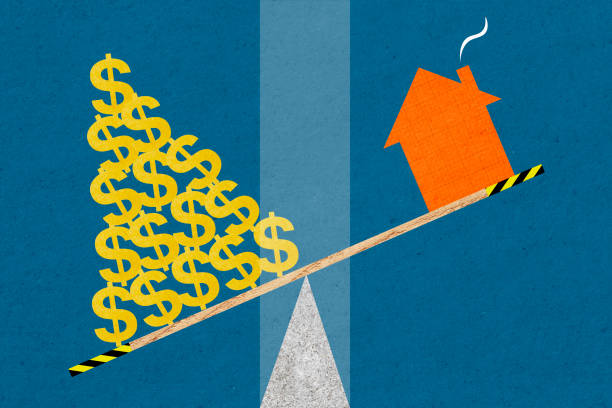
When a mortgage lender tells you that a rate is only available until midnight, your first response should be to close the laptop, stand up, and walk away. That may sound harsh, but it is the single most effective way to protect yourself from a hard sell. The “limited time offer” is not a favor. It is a weapon. It is used to stop you from thinking, to stop you from asking questions, and to stop you from talking to anyone else. And it works incredibly well because nobody wants to miss out on a good deal.
But here is the truth: mortgage rates are not like clearance items at a department store. They do not disappear because a salesperson decides to put a deadline on them. Rates move up and down based on the bond market, inflation, and the broader economy. Those forces do not care about your phone call or your signature. When a lender says “this rate expires at five o’clock,” what they are really saying is “I want you to sign before you have time to check if you can do better.” That is not a selling point. That is a trap.
The hard sell works on a simple emotion: fear of regret. You imagine yourself a year from now, finding out that you passed up the lowest rate of your life. You picture your neighbors bragging about their mortgages. So you rush. You sign papers without reading the prepayment penalty. You agree to adjustable terms that will blow up in three years. You accept a fee structure that makes the loan officer a bonus but costs you thousands. All because someone told you the clock was ticking.
Picture this: a loan officer calls at 4:30 on Friday. He has a rate that expires at 5:00. He has the paperwork ready. He just needs your signature. You start reading, but he talks over you, reminding you the system will shut off. Your pulse quickens. So you sign. That is how you end up with a balloon payment you never saw coming.
Do not let that be you. Instead, say these words: “I appreciate the call, but I am not going to make a decision today.” Then say, “Please send me the offer in writing, and I will get back to you.” A legitimate lender will do that without a problem. A legitimate lender will say, “Sure, take your time, let me know if you have questions.” A hard-sell lender will push back. He will say the rate will be gone. He will say you are making a mistake. He will say you are losing money. That pushback is your answer.
Think about what a mortgage really is. A twenty or thirty year commitment. The difference between good and bad terms can add up to tens of thousands of dollars. Making that decision in a thirty-minute window, under pressure, is like choosing a surgeon in a parking lot because he offers a discount. It makes no sense.
The “today only” line is often a scouting tactic. The lender wants to see if you bend. If you bend, they know you are an easy mark. They add hidden costs or slide in a prepayment penalty. The rate might be real, but the rest of the loan claws back the money. The hard sell is never about giving you something. It is always about taking something from you.
So build a habit. Whenever a lender uses urgency, turn off the pressure valve. Ask for the rate lock in writing. Ask for the closing costs in writing. Ask for the total interest over the life of the loan. Then tell them you will compare it with two other lenders. If they hesitate, you know the answer. If they get rude, hang up. That is self-defense.
Remember that no matter what a salesperson says, there is always another mortgage. There is always another lender. There is always another day. The best deal is not one with a stopwatch. The best deal is one you fully understand, one you are comfortable with, and one you signed after a good night’s sleep. A rate that lasts an hour is not a gift. It is a test. You pass it by walking away.