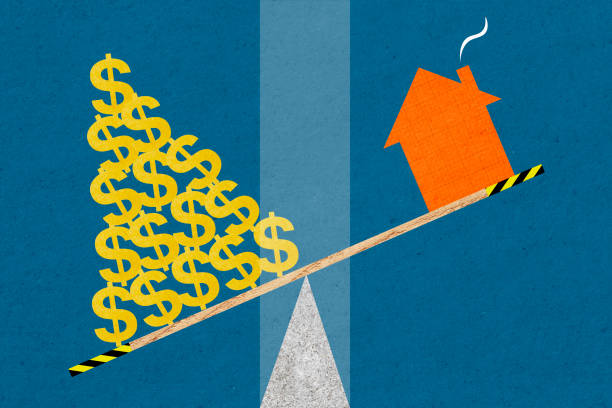
Nobody likes to feel cornered. That goes double for a decision as big as a mortgage. Yet every day, homeowners sit across from lenders who push, prod, and pressure them to sign on the spot. They call it a “special rate” or a “limited-time offer.” They tell you that the deal disappears if you don’t act by tonight. They make you feel like a fool for even thinking twice. This is a high-pressure hard sell, and it has one purpose: to get you to commit before your brain catches up with your gut. The truth is, there is never a good reason to rush into a mortgage. And the single best tool you have in your pocket is your own two feet.
A hard sell works because it plays on fear. Fear of missing out, fear of getting a worse rate tomorrow, fear that no other lender will give you the time of day. But here is the reality: mortgage rates change all the time, but they rarely change drastically in a single evening. And if a lender is that anxious to lock you in, ask yourself why. Good deals can survive a little patience. Bad deals cannot. That is the dirty secret of high-pressure sales. The urgency is almost always fake. It is a stage act designed to make you skip the homework you would normally do, like comparing offers, reading the fine print, or checking if the lender has a history of complaints.
What does a classic hard sell look like? The lender talks fast, slides papers across the table, and points to a spot for your signature. They use phrases like “I need to know right now” or “This rate is only available if we start today.” They might throw in extra fees to confuse you, then promise to waive them if you commit on the spot. They might even guilt you, saying things like “After all the work I’ve done for you, you’re going to walk away?” That is not a professional relationship. That is a used-car routine dressed in a suit. And you don’t have to tolerate it for one second.
Here is what you should do instead. When any lender pushes you to decide immediately, stop. Take a deep breath. Look them in the eye and say these exact words: “I want everything you just told me in writing, and I’ll let you know.” A legitimate lender will have no problem with that. In fact, they will expect it. A classic hard-sell lender will sweat, stammer, and come up with a dozen reasons why they can’t put things on paper. That is your answer. That is the moment you thank them for their time and leave. No explanation needed. No apology. You owe them nothing.
The reason this works so well is that a mortgage is not a purchase like a phone or a couch. You’re not walking out of a store with a box. You are signing a legal contract that will affect your finances for years, sometimes decades. If you sign under pressure, you are making a decision based on someone else’s timeline, not yours. And the damage can be brutal: a higher interest rate, hidden prepayment penalties, or loan terms that make it nearly impossible to get ahead. All of that to avoid an awkward five minutes. That is a terrible trade.
So build your own set of ground rules before you ever talk to a lender. First, decide that you will never sign a mortgage document on the first meeting. Not ever. Second, force yourself to sleep on any rate or term that feels exciting. If it is truly good, it will still look good in the morning. Third, get at least two other quotes from different lenders, and don’t tell any of them what the others offered until you have everything in writing. That keeps the power in your hands. Fourth, trust your gut. If something feels off, it is off. You don’t need to be a finance expert to know when someone is treating you like a mark.
The hardest part of dealing with a hard sell is the fear that you’re being too cautious. But here is the no-nonsense truth: the only person looking out for you in that mortgage office is you. The lender’s job is to make a loan, not to make sure you get a good one. They will not mention that a competing bank would give you a lower rate. They will not remind you that you can always refinance later. They will not tell you that taking a week to decide is a normal, smart move. So you have to tell yourself those things. And you have to be willing to walk away, even if you like the loan, even if you’ve already spent hours with them. Walking away is not rude. It’s the most basic form of self-defense in the mortgage game. When you walk away, you are saying that no one gets to rush you into a decades-long promise. And that is the one thing that will never cost you a dime.