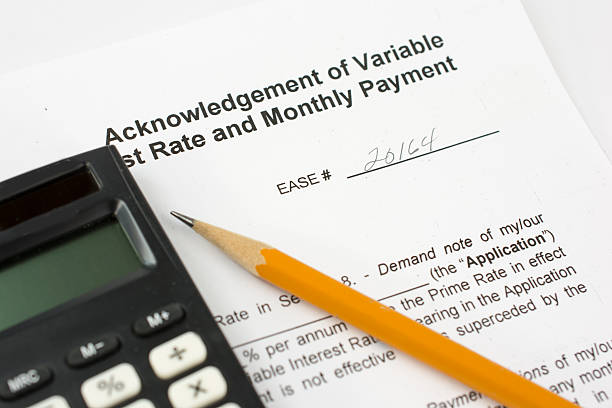
 Your home is likely the biggest financial asset you own. Over time, as you pay down your mortgage and if your home’s value goes up, you build equity. That equity is the difference between what your home is worth and what you still owe on your mortgage. It can be tempting to borrow against that equity for things like home improvements, paying off credit cards, or even a vacation. But before you sign any papers, you need to understand the real dangers that come with using your home as a piggy bank.The most serious risk is losing your home. When you take out a second mortgage, a home equity line of credit, or do a cash-out refinance, you are putting your house up as collateral. That means if you fall behind on payments, the lender can foreclose. Unlike credit card debt or a car loan, where missing payments hurts your credit score but you keep your home, a home equity loan puts your roof directly on the line. Even if you have a good reason for borrowing, life can throw unexpected curveballs like a job loss, a medical emergency, or a divorce. Suddenly, the monthly payment you thought you could handle becomes impossible. And the bank doesn’t care why you can’t pay; they just want their money back.Another risk that catches many homeowners off guard is variable interest rates. Many home equity lines of credit come with adjustable rates. That means your monthly payment can go up without warning when interest rates rise. Right now, rates might seem low, but they can climb over the years. If you are only making interest payments, you could get a nasty surprise when your payment jumps. And if you have a fixed-rate second mortgage, the rate might be higher than your first mortgage, adding a big chunk to your monthly expenses. Either way, borrowing against equity increases your total debt and your monthly obligations.There is also the danger of overborrowing. When a lender tells you how much equity you can tap into, they base it on your home’s current value and your income. But that number is not always smart for your personal situation. You might be approved for a huge amount, but that doesn’t mean you should take it all. Using home equity to pay for everyday expenses or luxury items can trap you in a cycle of debt. Unlike a credit card, where you can pay it off quickly, home equity loans extend over many years. You could end up paying for that vacation or flat-screen TV for a decade or more, with interest.Another often overlooked risk is that your home’s value could drop. Real estate markets go up and down. If you borrow heavily against your equity and then home prices fall, you could end up owing more than your house is worth. That is called being underwater or upside down on your mortgage. If you need to sell your home quickly because of a job change or a family emergency, you would have to bring cash to the closing table just to pay off the loans. That can wipe out your savings and leave you with nothing.There are also upfront costs. Many home equity loans and cash-out refinances come with closing costs, appraisal fees, and application fees. These can add thousands of dollars to your debt before you even see a dime. Some lenders roll these fees into the loan, which means you are paying interest on them for years. If you plan to sell your home in the next few years, you might not recoup those costs.Finally, borrowing from your home equity reduces the cushion you have for the future. Equity can be a safety net for emergencies, such as a major home repair or an unexpected medical bill. If you use it all up now, you lose that protection. And if you later try to sell, you will have less profit because you have to pay back both your first mortgage and your second loan.The bottom line is that leveraging your home equity is not free money. It is a serious financial commitment that carries real risks. Before you decide to borrow, ask yourself if the purpose is truly necessary and if you have a solid plan for repayment. Talk to a housing counselor or a trusted financial advisor who can look at your full picture. Your home is your shelter, not an ATM. Treat that equity with the same respect you would give any other lifeline.
Yes, a lender can deny a forbearance request if you do not demonstrate a valid financial hardship, if you do not provide required documentation, or if you do not have sufficient equity in the home. If denied, you should immediately discuss other loss mitigation options your servicer may offer.
The amount is based on the “as-completed” appraised value of the home after renovations. Generally, you can borrow:
FHA 203(k): The loan amount is the purchase price plus renovation costs, or the “as-completed” value, whichever is less, up to FHA county limits.
HomeStyle Renovation: Up to 95% of the “as-completed” value for a purchase, or 75-97% for a refinance.
VA Renovation Loan: Up to 100% of the “as-completed” value.
Loan Officer (LO) Comp: This refers to the commission paid directly to the individual loan officer for the loans they originate.
Branch/Business Producing Manager (BIC) Comp: This is the compensation for the “Branch Manager in Charge” or a producing manager, which typically includes their own personal loan production commissions PLUS an override (a smaller percentage) on the volume closed by the other loan officers they manage.
Your credit score is calculated using the information in your credit reports. The most common model, FICO®, breaks down like this:
Payment History (35%): Your record of on-time payments for credit cards, loans, and other bills.
Amounts Owed / Credit Utilization (30%): The amount of credit you’re using compared to your total available credit limits.
Length of Credit History (15%): The average age of all your credit accounts.
Credit Mix (10%): The variety of credit you have (e.g., credit cards, mortgage, auto loan).
New Credit (10%): How often you apply for and open new credit accounts.
A HELOC is ideal for ongoing or unpredictable expenses, such as funding a multi-stage home renovation, covering recurring educational costs, or acting as a financial safety net. You only pay interest on the amount you actually draw, not the entire credit line.