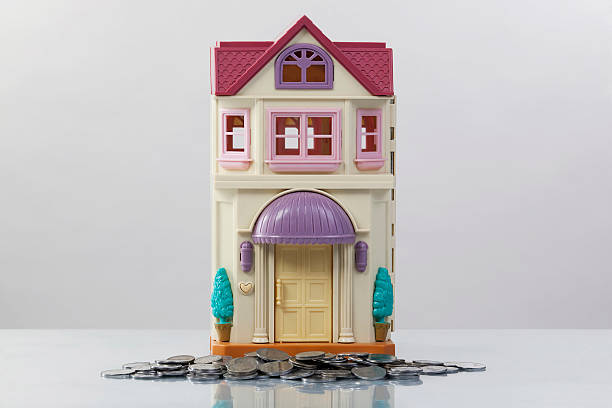
A mortgage escrow account is a financial arrangement managed by your lender that acts as a holding tank for specific property-related expenses, ensuring these crucial bills are paid on time. When you close on a home, you may encounter the term “escrow” in two contexts: first, the closing escrow that facilitates the property transaction, and second, the ongoing mortgage escrow account that will be part of your monthly payment for the life of the loan. This latter account is a cornerstone of responsible homeownership for many, designed to protect both the borrower and the lender by spreading large annual costs into more manageable monthly increments.
The primary purpose of a mortgage escrow account is to cover property taxes and homeowners insurance premiums. In some cases, particularly if your down payment was less than twenty percent, it may also include private mortgage insurance. Lenders have a vested interest in ensuring these bills are paid because unpaid property taxes can lead to a tax lien that supersedes the mortgage lien, and a lapsed insurance policy leaves the property—their collateral—unprotected from damage. By collecting a portion of these annual costs each month, the lender eliminates the risk of you facing a large, lump-sum bill that you might struggle to pay, which in turn safeguards their financial stake in your home.
The mechanics of an escrow account are integrated seamlessly into your monthly mortgage payment. Your payment is typically divided into four parts: principal, interest, taxes, and insurance, often abbreviated as PITI. The principal and interest go toward paying down your loan, while the estimated amounts for taxes and insurance are deposited into the escrow account. Your lender calculates these amounts by taking the previous year’s tax and insurance bills, dividing them by twelve, and adding that sum to your monthly payment. They are required by law to conduct an annual escrow analysis to review these estimates. If your property taxes or insurance premiums have increased, your monthly escrow payment will be adjusted accordingly, which may result in a higher total mortgage payment.
There are distinct advantages to having an escrow account, chief among them being convenience and budgeting ease. For many homeowners, the ability to pay property expenses gradually throughout the year, rather than in one or two large payments, simplifies financial planning and prevents cash flow crises. It also absolves you of the responsibility of remembering due dates for these separate bills, as the lender handles all payments directly from the account. From the lender’s perspective, it is a risk mitigation tool, but it also provides peace of mind for homeowners who prefer a hands-off approach to these critical obligations.
However, escrow accounts are not without their nuances. Lenders are permitted to keep a small cushion in the account—up to two months’ worth of extra payments—to cover potential increases in bills. Furthermore, because the account is based on estimates, the annual analysis can sometimes reveal a shortage if bills were higher than projected. In such cases, you may be required to pay a lump sum to cover the deficit, and your future monthly payments will increase. Conversely, if there is an overage, you will receive a refund. While some lenders may allow you to waive an escrow account once you have sufficient equity and a strong payment history, they often charge a fee for this privilege, as it introduces additional risk for them.
In essence, a mortgage escrow account is a fiduciary tool that promotes financial discipline and security for both the homeowner and the lending institution. It transforms unpredictable and substantial annual expenses into a steady, predictable component of homeownership. By understanding how this account functions—its purpose, its calculations, and its annual review process—homeowners can better manage their largest investment and avoid the significant pitfalls that come with missed tax or insurance payments, ensuring their home remains a secure and protected asset for years to come.