If you are dreaming of buying a home but struggling to save up for a big down payment, you might want to look into a USDA loan. This is a type of government-backed mortgage that helps people buy homes in certain rural and suburban areas. The biggest draw is that you can get a home with zero money down. That means no down payment at all. For many families, this can be the difference between renting forever and finally owning a place of their own.
The USDA loan is run by the United States Department of Agriculture. Yes, the same agency that deals with farming and food. But its housing program is all about making homeownership possible in less crowded areas. The idea is to help strengthen rural communities by giving people a fair shot at buying a home there. You do not have to be a farmer or work in agriculture to qualify. You just need to meet a few basic requirements.
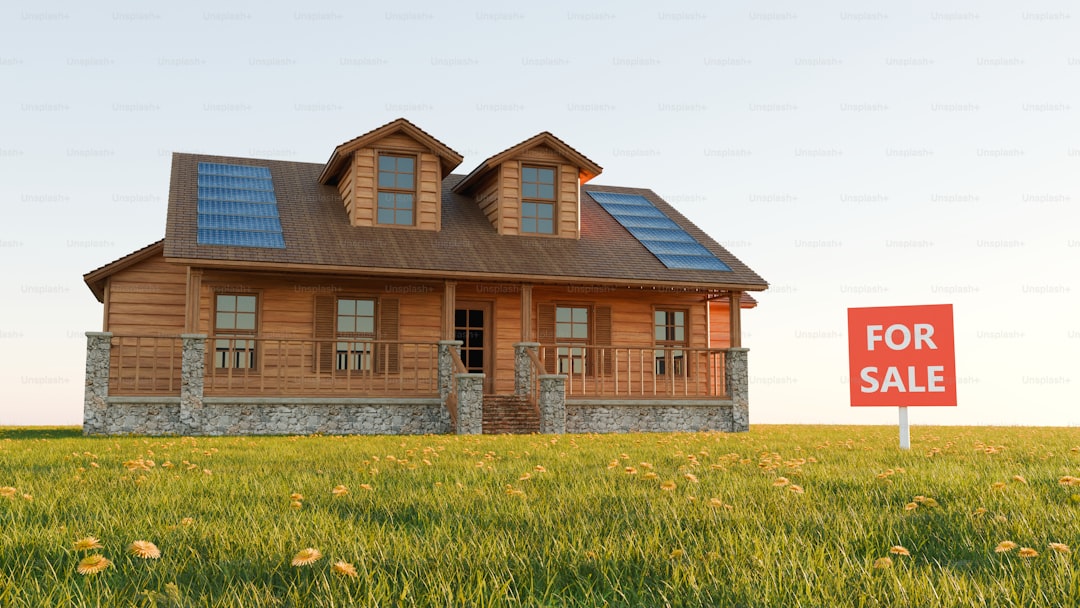
First, the home you want to buy must be in a USDA-eligible area. That does not mean you have to live in the middle of nowhere on a dirt road. Many suburbs and towns just outside big cities qualify. The USDA has an online map where you can type in an address and see if it is eligible. Generally, places with fewer than 35,000 people are likely to qualify, but there are exceptions. The idea is to support smaller communities that might not get as much attention from regular mortgage lenders.
Second, your household income cannot be too high. USDA loans are meant for low-to-moderate income buyers. The exact limit depends on where you live and how many people are in your household. In most areas, the limit is around 110 percent of the local median income. For a family of one to four people, that often means a household income of less than $100,000 or so, but it varies a lot by region. You can check the USDA website for the specific numbers for your county. If you earn more than the limit, you cannot use this loan. That keeps the program focused on people who truly need the help.
Third, you have to live in the home as your primary residence. You cannot use a USDA loan to buy a vacation home or an investment property. The government wants these loans to help families put down roots, not to help people flip houses or rent them out.
The loan itself is issued by a private lender, like a bank or a credit union, but the USDA guarantees it. That means if you stop making payments, the government promises to cover part of the loss. Because of that guarantee, lenders are willing to offer very good terms. You can get a fixed interest rate, just like a conventional loan, and you do not have to put any money down. There is no requirement for a minimum down payment at all. You can finance the entire purchase price.
But there is a trade-off. Instead of paying mortgage insurance through a private company, you pay something called a guarantee fee. It works very similarly. There is an upfront fee that you can roll into the loan amount, and then an annual fee that gets added to your monthly payment. The annual fee is currently 0.35 percent of the loan balance. That is lower than most private mortgage insurance rates, which can be a big savings over time.
Another nice feature is that the seller can pay for some of your closing costs. You cannot pay for them yourself with borrowed money, but the seller can contribute up to six percent of the home’s purchase price toward things like the appraisal, title insurance, and lender fees. That can make it even easier to get into a home with very little cash out of pocket.
You also need decent credit, but the requirements are not as strict as for a conventional loan. Most lenders look for a credit score of at least 640. If your score is lower than that, you might still qualify if you have a good reason, like a history of paying rent on time or a stable job. But you will probably need to work with a lender who specializes in USDA loans.
The application process is similar to any other mortgage. You provide pay stubs, tax returns, bank statements, and proof of your identity. The lender checks your debt-to-income ratio, which compares your monthly debts to your gross monthly income. For a USDA loan, your housing payment should generally not be more than 29 percent of your income, and your total debts should stay under 41 percent. Those are guidelines, not hard rules, but they give you an idea of what lenders expect.
One common misunderstanding is that USDA loans take forever to process. That used to be true, but the system has improved. Many lenders can close a USDA loan in the same time as a conventional loan, which is usually 30 to 45 days. The key is to work with a lender who handles USDA loans regularly.
If you are considering buying a home in a smaller town or a suburban area on the edge of a city, a USDA loan could be your best option. You avoid the huge hurdle of a down payment, and the interest rates are competitive. Yes, you have to meet the income limits and buy in an eligible area, but for many families those are not big problems. The program has helped millions of people become homeowners since it started decades ago. If you think you might qualify, it is worth talking to a mortgage lender who knows the ins and outs. They can run the numbers and tell you if a USDA loan is the right fit for your situation.
Remember, no down payment does not mean no costs. You still need money for the earnest money deposit, the home inspection, and possibly some closing costs that the seller does not cover. But compared to a conventional loan that often requires five, ten, or even twenty percent down, the USDA loan is a huge advantage. For many families, it turns the dream of owning a home into a real possibility.